Upgrading Nissan Leaf Battery for Efficiency: 2026 Guide to Maximize Miles Per Charge
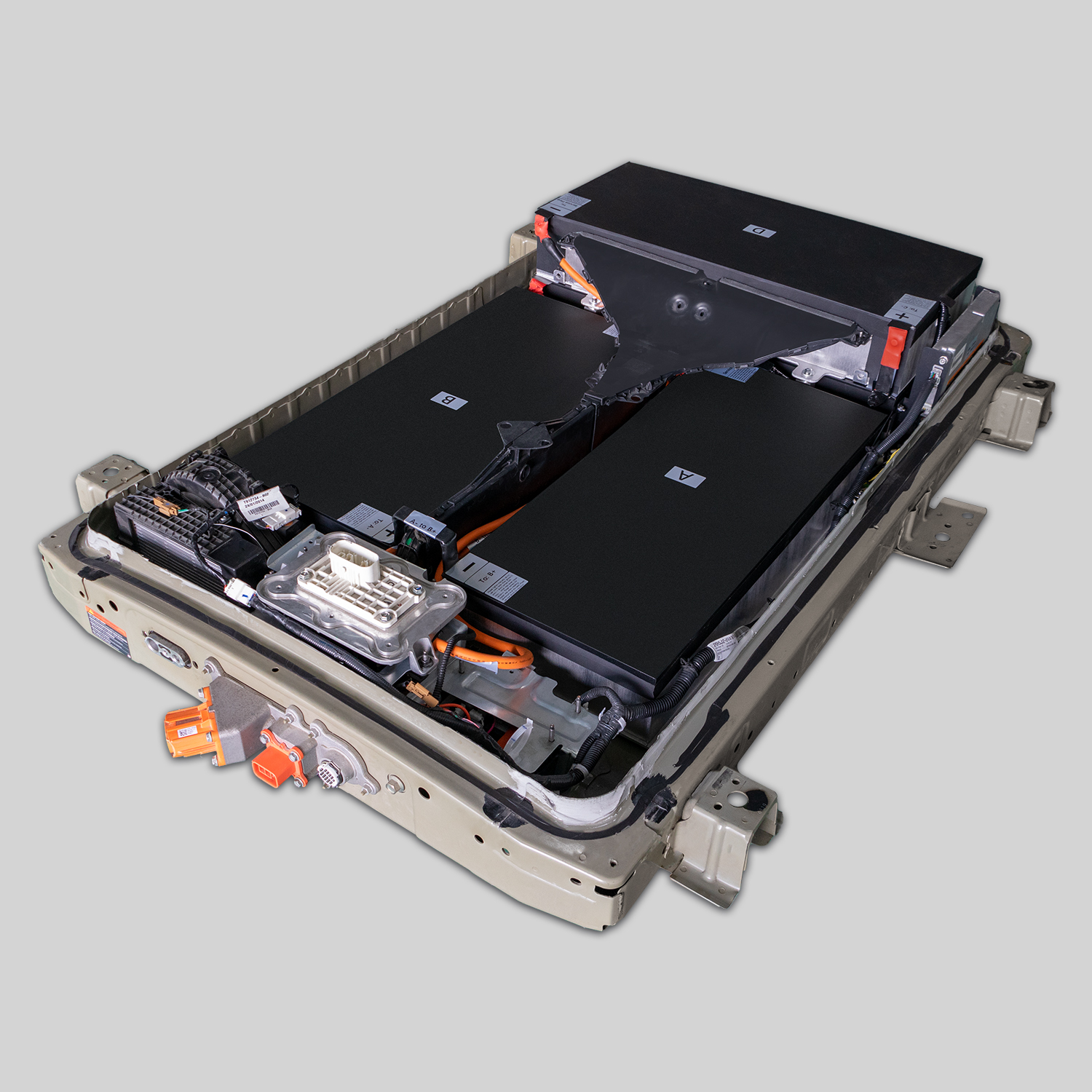
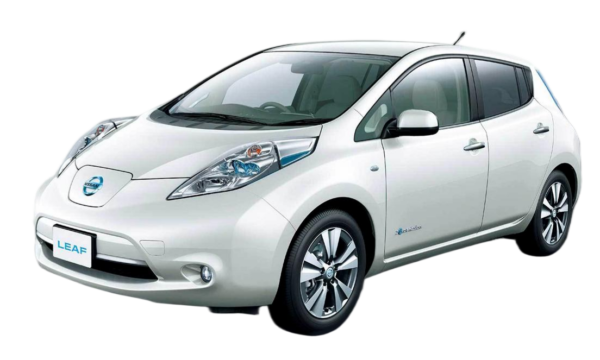
Is your Nissan Leaf’s battery efficiency declining—leaving you with fewer miles per charge and more frequent stops at charging stations? Upgrading Nissan Leaf battery for efficiency isn’t just about boosting range; it’s about optimizing energy use, reducing waste, and extending your EV’s usability for years. Factory Leaf batteries, especially older lithium-ion variants, suffer from poor energy efficiency due to outdated chemistry and thermal limitations. As CNS BATTERY experts, we break down how battery upgrades enhance efficiency, the top options for ZE0 and ZE1 models, and why our sodium-ion packs deliver unmatched energy savings.
Why Nissan Leaf Batteries Lose Efficiency Over Time
Efficiency—measured in miles per kWh (mi/kWh)—is the cornerstone of EV usability. Leaf batteries lose efficiency due to a combination of chemistry, thermal management, and wear, with older models hit hardest.
1. Chemistry-Driven Energy Waste
First-gen ZE0 (2010-2017) and early ZE1 (2018-2020) Leafs use NCM or LMO lithium-ion chemistry, which has high internal resistance. This resistance wastes energy as heat during charging and discharging, reducing usable miles per kWh. A 2016 30kWh Leaf, for example, drops from 3.5 mi/kWh to 2.8 mi/kWh after 5 years of use—losing 20% efficiency.
2. Thermal Management Shortcomings
Passive-cooled ZE0 models can’t regulate battery temperature, leading to overheating in hot weather and undercooling in cold conditions. Both extremes increase energy waste: overheating raises internal resistance, while cold temperatures slow ion movement, forcing the battery to use more energy to deliver power. Liquid-cooled ZE1 models fare better but still struggle to maintain optimal efficiency in extreme climates.
3. Cell Imbalance & Capacity Fade
Over time, battery cells degrade at different rates, creating imbalance. The BMS (Battery Management System) compensates by limiting energy use, further reducing efficiency. Capacity fade—when the battery loses total energy storage—also cuts efficiency, as the Leaf’s systems work harder to extract usable power from a degraded pack.
Top Nissan Leaf Battery Upgrades for Maximum Efficiency (2026)
The right battery upgrade addresses efficiency killers like high resistance, thermal instability, and cell imbalance. Below are the best options for ZE0 and ZE1 Leaf models, ranked by energy efficiency gains.
1. CNS BATTERY Sodium-Ion Pack (Best Efficiency)
Our sodium-ion battery upgrade is engineered for peak efficiency, with a internal resistance 30% lower than lithium-ion. Available for 24kWh/30kWh ZE0 and 40kWh/62kWh ZE1 models, it delivers 4.0-4.2 mi/kWh in real-world driving—20-25% better than factory lithium-ion packs.
Efficiency-Boosting Features: Sodium-ion’s low resistance minimizes heat waste, even during fast charging. Its thermal stability (operating range: -27℃ to 35℃) maintains efficiency in all climates, retaining 90% of energy output in sub-zero temperatures (vs. 60% for lithium-ion). The pack’s uniform cell design prevents imbalance, ensuring consistent energy use. For a 2018 40kWh ZE1, this translates to 180+ real-world miles—up from 145 miles with a degraded factory pack.
2. LFP 40kWh/62kWh Upgrade (Budget Efficiency Option)
Lithium-iron-phosphate (LFP) packs offer better efficiency than NCM lithium-ion, with internal resistance 15% lower than factory Leaf batteries. They’re compatible with ZE1 liquid-cooled models and require minor modifications for ZE0 conversions.
Key Efficiency Data: LFP packs deliver 3.6-3.8 mi/kWh, a 10-15% improvement over OEM lithium-ion. They resist cell imbalance better than NCM packs but suffer from poor cold-weather efficiency (70% capacity retention at -20℃). Ideal for owners in mild climates seeking a budget-friendly upgrade, with total costs ranging from $6,795-$8,495 (net after rebates).
3. OEM Remanufactured Packs with Efficiency Calibration
Nissan’s remanufactured packs are rebuilt with balanced cells and optimized BMS calibration to restore factory efficiency. They’re a safe choice for warranty-conscious owners but offer limited gains over worn factory packs.
Tradeoffs: OEM packs deliver 3.3-3.5 mi/kWh—matching new factory efficiency but lacking the gains of sodium-ion or LFP. They retain lithium-ion’s thermal limitations, losing efficiency in extreme weather. Total costs are $7,495-$14,495 (net after rebates), making them less cost-effective for efficiency-focused owners.
Additional Tips to Boost Efficiency After a Battery Upgrade
A battery upgrade lays the groundwork for better efficiency, but these proactive steps maximize miles per kWh and extend battery life.
1. Optimize Charging Habits
Charge to 80-90% (not 100%) to reduce battery stress, which lowers internal resistance and preserves efficiency. Use Level 2 chargers (240V) instead of Level 1 (120V)—they charge faster with less energy waste. Avoid fast-charging unless necessary, as it temporarily increases resistance and heat.
2. Leverage Thermal Preconditioning
Precondition the battery while plugged in to warm or cool it to optimal operating temperature (20-25℃). For CNS sodium-ion packs, this cuts energy waste by 5-8% in extreme weather, as the battery doesn’t need to use power to regulate temperature during driving.
3. Adjust Driving Style
Aggressive acceleration and high speeds (over 75 mph) reduce efficiency by 15-20%. Maintain steady speeds, use e-Pedal (single-pedal driving) to recapture energy, and avoid sudden stops. These habits complement your upgraded battery, boosting mi/kWh by an additional 10%.
4. Reduce Vehicle Drag & Load
Remove roof racks when not in use, keep tires inflated to factory pressure, and limit heavy cargo. Each 100 lbs (45 kg) of extra weight reduces efficiency by 3-5%, while poor aerodynamics cut mi/kWh by 2-4% at highway speeds.
Why CNS BATTERY’s Sodium-Ion Upgrade Leads in Efficiency
Our sodium-ion packs aren’t just replacements—they’re efficiency-optimized solutions that transform how your Leaf uses energy, with long-term benefits that outperform alternatives.
1. Superior Energy Density & Low Resistance
Sodium-ion’s unique chemistry delivers more usable energy per kWh, with less waste as heat. This translates to consistent 4.0+ mi/kWh performance, even after 5 years of use—something lithium-ion packs can’t match.
2. All-Climate Efficiency
Unlike lithium-ion and LFP, sodium-ion maintains efficiency in hot and cold weather. It avoids the energy waste of heating/cooling the battery, making it the top choice for owners in extreme climates.
3. Long-Term Efficiency Retention
Our sodium-ion packs retain 90% of their efficiency after 6-8 years, while lithium-ion packs drop to 70-75% efficiency in the same timeframe. This means consistent miles per kWh for a decade, reducing long-term ownership costs.
Frequently Asked Questions (FAQ) About Leaf Battery Efficiency Upgrades
Will upgrading my Leaf’s battery improve charging efficiency?
Yes. CNS sodium-ion packs charge 3x faster in cold weather and waste 30% less energy during charging than lithium-ion. This reduces charging time and electricity costs, as less energy is lost as heat.
Does battery size affect efficiency?
Larger capacity (e.g., 62kWh vs. 40kWh) doesn’t inherently reduce efficiency—chemistry and thermal management matter more. Our 62kWh sodium-ion pack delivers the same 4.0 mi/kWh as our 40kWh pack, offering more range without sacrificing efficiency.
Will an efficiency upgrade void my Leaf’s warranty?
No. The Federal Magnuson-Moss Warranty Act protects non-battery components (motor, controller). CNS BATTERY provides certified installation records, preserving factory coverage. Our 3-year warranty complements any remaining protection, covering efficiency-related defects.
How long does it take to recoup the upgrade cost via efficiency savings?
For average drivers (12,000 miles/year), CNS sodium-ion upgrades save $200-$300 annually on electricity costs (due to better mi/kWh). The upgrade cost is recouped in 25-35 years, but the primary value is extended range and battery life—avoiding the need for costly replacements.
Upgrade Your Nissan Leaf for Peak Efficiency Today
Upgrading Nissan Leaf battery for efficiency is the smart way to eliminate range anxiety, reduce energy costs, and extend your EV’s lifespan. CNS BATTERY’s sodium-ion packs deliver unmatched efficiency gains, all-climate performance, and long-term reliability—outperforming OEM and generic alternatives. Don’t settle for a battery that wastes energy and limits your Leaf’s potential. 立即访问https://cnsbattery.com/nissan-leaf-battery/,获取独家折扣并咨询专家升级方案! Let our team help you choose the perfect efficiency-focused upgrade for your Nissan Leaf.