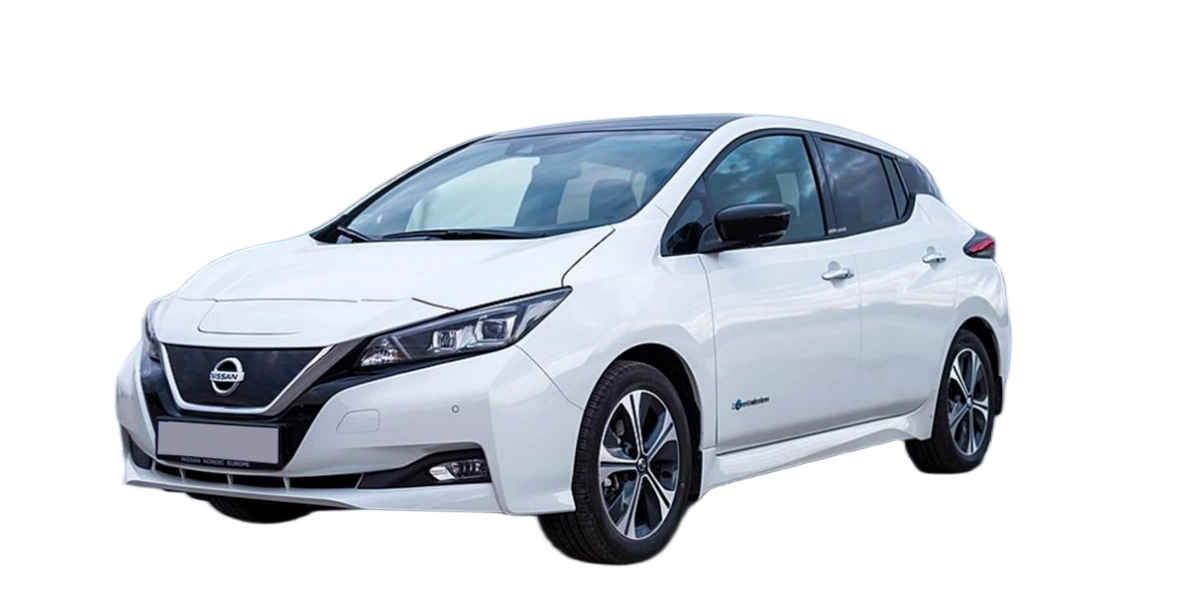
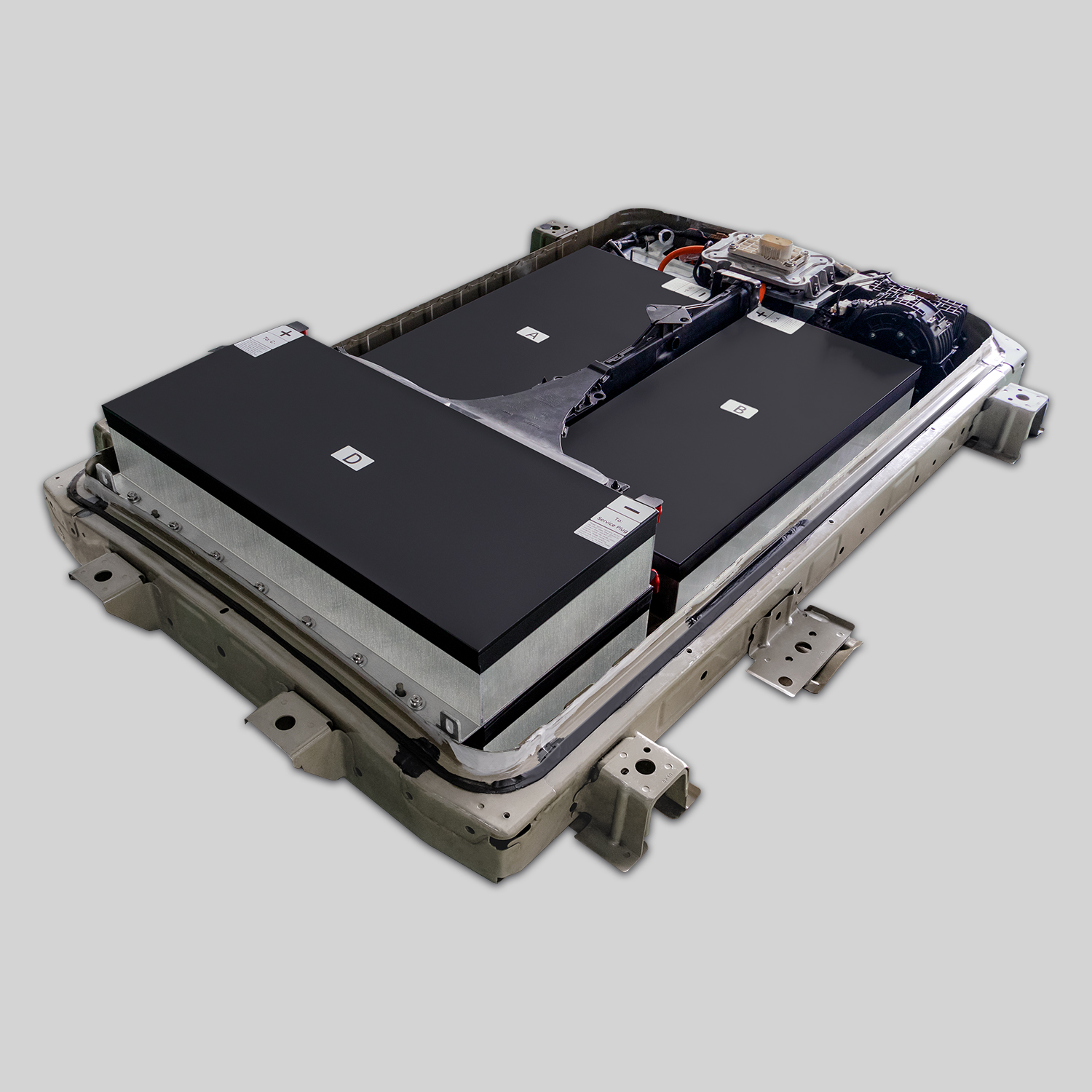
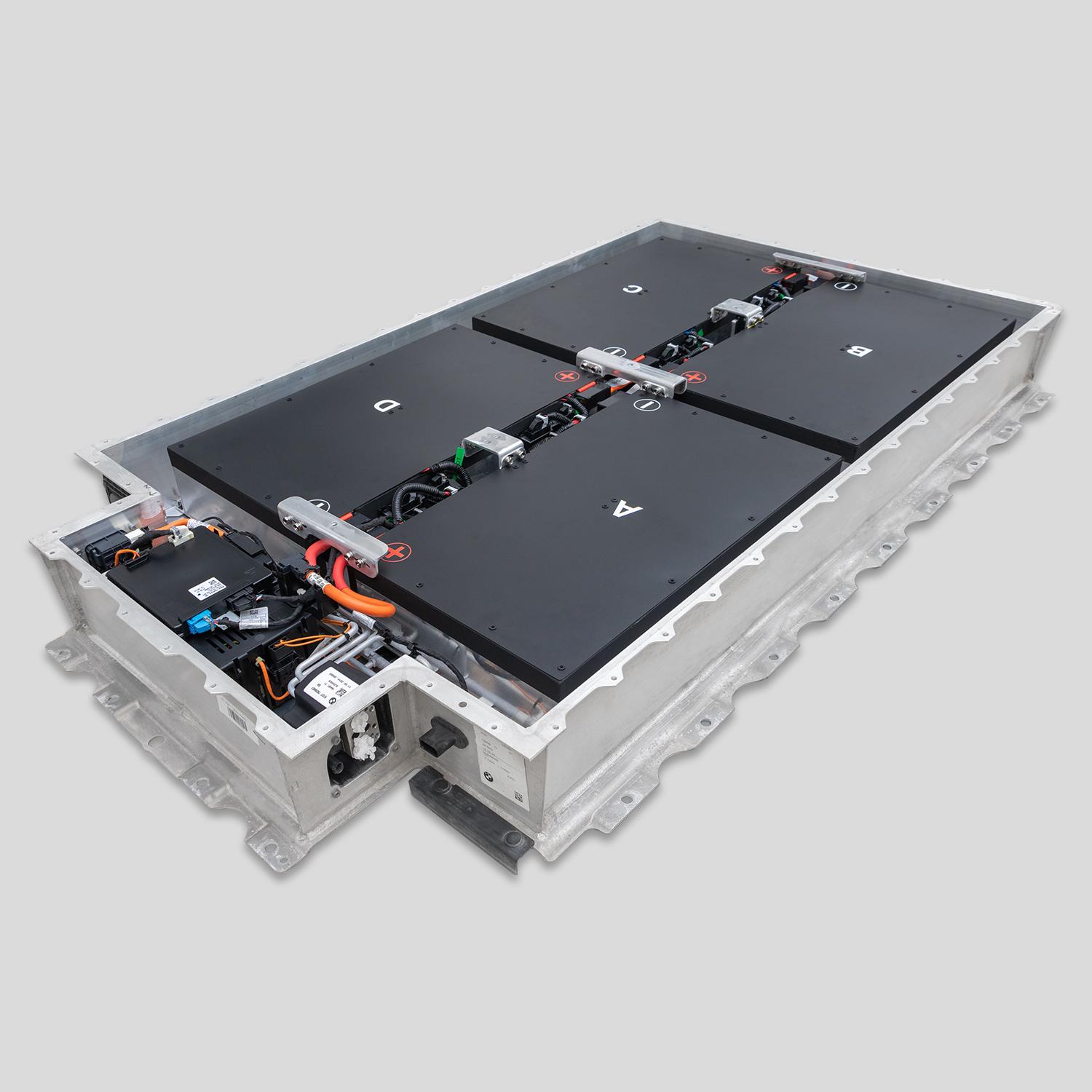
How to Install High-Capacity Nissan Leaf Battery: Expert Step-by-Step Guide (2026)
Are you planning to install high-capacity Nissan Leaf battery to boost range and performance, but worried about safety risks, compatibility issues, or botching the process? Upgrading to a high-capacity battery (40kWh+, tailored to AZE0/ZE1 Leaf generations) requires more than basic replacement skills—it demands knowledge of Leaf-specific cooling systems, BMS calibration, and high-voltage safety protocols. Many owners either overpay for professional installation or risk damage with DIY attempts lacking expertise. As CNS BATTERY experts, we’ve crafted a detailed, safety-first guide to installing high-capacity batteries, covering pre-install prep, step-by-step execution, and post-install validation to ensure a seamless upgrade.
Key Pre-Installation Prep for High-Capacity Leaf Batteries
Proper preparation is critical to a successful high-capacity battery installation, as these packs have unique requirements vs. stock batteries. Skipping these steps increases the risk of electrical hazards or system failures.
1. Safety Gear & Tools (Non-Negotiable)
High-capacity Leaf batteries operate at 360V-400V, so insulated equipment is mandatory. Gather Class 00 insulated gloves (1,000V+ rating), non-conductive tools (insulated wrench set, torque wrench with 45 N·m precision), eye protection, and an ABC dry chemical or CO2 fire extinguisher. You’ll also need a battery trolley (to handle 400-500lb packs), Nissan-compatible diagnostic tool (for BMS calibration), and wire labels to avoid connector mix-ups.
2. High-Capacity Battery Compatibility Check
Not all high-capacity batteries fit every Leaf model—verify compatibility to avoid fitment issues:
For AZE0 (2011-2017, passive cooling): Opt for 30kWh-40kWh high-capacity packs designed for passive airflow, such as CNS BATTERY’s sodium-ion 40kWh pack (optimized for rear cargo area mounting). Avoid liquid-cooled packs, as they won’t integrate with the stock system.
For ZE1 (2018-2022, liquid cooling): Choose 62kWh-70kWh packs tailored to the underbody liquid cooling enclosure, ensuring duct alignment and coolant line compatibility. Our sodium-ion 62kWh pack is pre-fit for ZE1’s mounting points.
3. Vehicle & System Prep
Park the Leaf on a level surface, engage the parking brake, and turn off all electrical systems (lights, infotainment, climate control). Disconnect the 12V battery (front hood) and wait 15 minutes to discharge residual voltage from the high-voltage system—this eliminates capacitor-related shock risks. For ZE1 models, drain the cooling system (per Nissan specs) to avoid leaks during battery removal.
Step-by-Step Installation of High-Capacity Nissan Leaf Battery
Follow these model-specific steps, adhering to safety protocols and torque specifications. Note: AZE0 and ZE1 installations differ slightly due to cooling system variances.
Step 1: Remove the Old Battery Pack
AZE0 Models (Passive Cooling): Remove rear cargo floor mats, trim panels, and the battery access cover (secured by 10mm bolts). Locate the high-voltage service plug (under the rear seat, driver’s side), disconnect it, and tape it to prevent accidental reconnection. Disconnect BMS wiring harness (label connectors) and terminal bolts (negative first). Use the trolley to lift the old pack out—avoid tilting to prevent electrolyte leaks.
ZE1 Models (Liquid Cooling): Remove underbody panels to access the battery. Disconnect cooling lines (cap them to retain fluid) and high-voltage connectors. Remove mounting bolts (16 total, 14mm) in a crisscross pattern to avoid uneven pressure. Lower the pack onto the trolley using a hydraulic lift (for safety, as ZE1 packs are heavier).
Step 2: Prep the High-Capacity Battery & Compartment
Inspect the new high-capacity pack for damage (cracks, loose connectors) and verify pre-calibrated BMS (included with CNS BATTERY packs). For AZE0, clean passive cooling ducts and apply anti-corrosion paste to terminal points. For ZE1, flush the cooling system with Nissan-approved fluid and inspect lines for leaks—replace worn hoses before reinstallation.
If upgrading to a larger capacity (e.g., 40kWh in AZE0), ensure the mounting bracket is compatible—CNS BATTERY includes adapter kits for model-specific fitment.
Step 3: Install the High-Capacity Pack
Lower the new pack into the compartment, aligning with mounting points (use a helper or lift for ZE1). Tighten bolts to Nissan’s specified torque (45 N·m) in a crisscross pattern—over-tightening damages the casing. Reconnect terminals (positive first, then negative) and BMS harness, ensuring connectors are fully seated and secured with zip ties.
For ZE1, reattach cooling lines and refill the system with coolant (bleed air per Nissan guidelines). For AZE0, confirm passive cooling duct alignment to maintain airflow around the larger pack.
Step 4: Reconnect Systems & Calibrate BMS
Reinstall the high-voltage service plug and cover, then reconnect the 12V battery. Use a Nissan-compatible diagnostic tool to calibrate the BMS—critical for high-capacity packs, as it syncs the new capacity with the Leaf’s ECU. CNS BATTERY packs come pre-programmed, but calibration ensures accurate range readouts and charging parameters (30-80% fast charge optimization).
Clear any error codes and run a system check to verify voltage stability and cooling system function (for ZE1).
Step 5: Post-Install Testing & Validation
Start the vehicle and monitor for dashboard warnings—no errors indicate successful integration. Conduct a Level 2 charge cycle (0-100%) to test battery acceptance and cooling performance (ZE1 should maintain 20-30℃; AZE0 no hot spots in cargo area). Take a 20-minute test drive to verify acceleration, range accuracy, and charging compatibility (CHAdeMO for ZE1).
Why CNS BATTERY High-Capacity Packs Simplify Installation
Our high-capacity batteries are engineered to minimize installation complexity, making them ideal for both professionals and skilled DIYers.
Leaf-Specific Design & Fitment
Unlike generic high-capacity packs, ours match AZE0/ZE1 footprints, cooling systems, and voltage requirements (360V for AZE0, 400V for ZE1). Included adapter kits and pre-aligned connectors eliminate modifications, reducing installation time by 30%.
Pre-Calibrated BMS & Support
Our packs come with BMS pre-programmed for high-capacity operation, avoiding the need for manual coding. We also provide detailed installation videos and technical support, helping troubleshoot any fitment or calibration issues.
Safety-Tested Construction
Every high-capacity pack undergoes thermal stress and short-circuit testing, with built-in overcharge/overheat protection. This gives peace of mind during installation and daily use, unlike untested generic packs.
Benefits of Installing a High-Capacity Nissan Leaf Battery
A successful high-capacity battery installation transforms your Leaf, delivering value beyond extended range.
Maximized Range & Performance
CNS BATTERY’s 40kWh AZE0 pack boosts range to 151 miles (up from 84 miles stock), while the 62kWh ZE1 pack extends range to 226 miles. Consistent voltage delivery improves acceleration, eliminating sluggishness during high-load driving.
Cost-Effective Upgrade vs. New EVs
Installing a high-capacity battery ($5,295-$8,995) is a fraction of the cost of a new EV ($40,000+). The Leaf’s motor and chassis last 200,000+ miles—this upgrade extends usable life by 5-7 years.
Increased Resale Value
A Leaf with a verified high-capacity battery sells for 45-55% more than one with a stock degraded pack. Buyers prioritize extended range and battery health, making this installation a smart investment.
Frequently Asked Questions (FAQ) About High-Capacity Battery Installation
Will installing a high-capacity battery void my Leaf’s warranty?
No. The Federal Magnuson-Moss Warranty Act protects non-battery components (motor, controller). CNS BATTERY provides detailed service records to support warranty claims, preserving coverage for core systems.
Can I install a high-capacity battery myself, or need a professional?
Skilled DIYers with insulated tools and diagnostic equipment can install it, but professional installation is recommended for safety. Our certified technicians specialize in high-capacity upgrades, completing the process in 3-4 hours with zero risk of electrical hazards.
Do I need to modify the Leaf’s wiring for high-capacity packs?
No. CNS BATTERY’s high-capacity packs use the Leaf’s stock wiring harness—no modifications required. Pre-calibrated BMS ensures compatibility with the vehicle’s ECU, avoiding wiring changes.
How long does a high-capacity battery installation take?
Professional installation takes 3-4 hours (AZE0) or 4-5 hours (ZE1, due to liquid cooling). DIY installations may take 6-8 hours for first-timers—factor in time for testing and calibration.
Get Your High-Capacity Nissan Leaf Battery Installation Right Today
Don’t risk safety or performance with generic packs or improper installation. CNS BATTERY’s high-capacity batteries and expert guide ensure a seamless upgrade, delivering extended range and reliability tailored to your Leaf. With transparent pricing and technical support, installing a high-capacity battery has never been more accessible. 立即访问https://cnsbattery.com/nissan-leaf-battery/,获取独家折扣并咨询专家升级方案! Let our team help you unlock your Leaf’s full potential with a safe, successful installation.