Nissan Leaf 62kWh Battery Installation Tutorial: Step-by-Step Guide (2026)
Are you ready to upgrade your Nissan Leaf to a 62kWh battery for extended range (up to 440km WLTP) but unsure about the installation process? The 62kWh battery is the premium choice for Leaf ZE0, AZE0, and ZE1 models, delivering faster charging and longer lifespan—but proper installation is critical to avoid safety hazards or performance issues. Many owners worry about complex wiring, BMS calibration, or compatibility pitfalls. ThisNissan Leaf 62kWh battery installation tutorial breaks down the process into simple, actionable steps, designed by CNS BATTERY experts to ensure safety, accuracy, and optimal performance. Whether you’re a professional mechanic or a DIY enthusiast with basic tools, this guide will walk you through every stage—from pre-installation prep to post-installation testing.
Pre-Installation Preparation: What You Need to Know
Before starting the installation, proper preparation ensures a smooth process and avoids costly mistakes. The 62kWh battery weighs ~360kg and requires specific tools and safety measures—don’t skip this step!
1. Tools & Safety Equipment
Gather these essential tools to complete the installation safely and efficiently:
-
Safety Gear: Insulated gloves (1000V-rated), safety glasses, fire extinguisher (Class D for lithium-ion), and non-conductive work boots.
-
Mechanical Tools: Hydraulic jack (3-ton capacity), jack stands (2-ton minimum), torque wrench (45-60 N·m range), socket set (10-19mm), wire brush, and anti-seize compound.
-
Electrical Tools: Multimeter (to test voltage), battery terminal cleaner, and insulating tape.
-
Specialized Items: Battery lifting hoist (to handle 360kg weight) and CNS-provided wiring harness adapters (included with your 62kWh pack).
2. Vehicle & Battery Preparation
Prepare your Leaf and new 62kWh battery to ensure compatibility and safety:
-
Vehicle Check: Ensure your Leaf is a compatible model (ZE0/AZE0/ZE1). Turn off the ignition, disconnect the 12V battery, and wait 10 minutes to discharge high-voltage capacitors—critical to avoid electric shock.
-
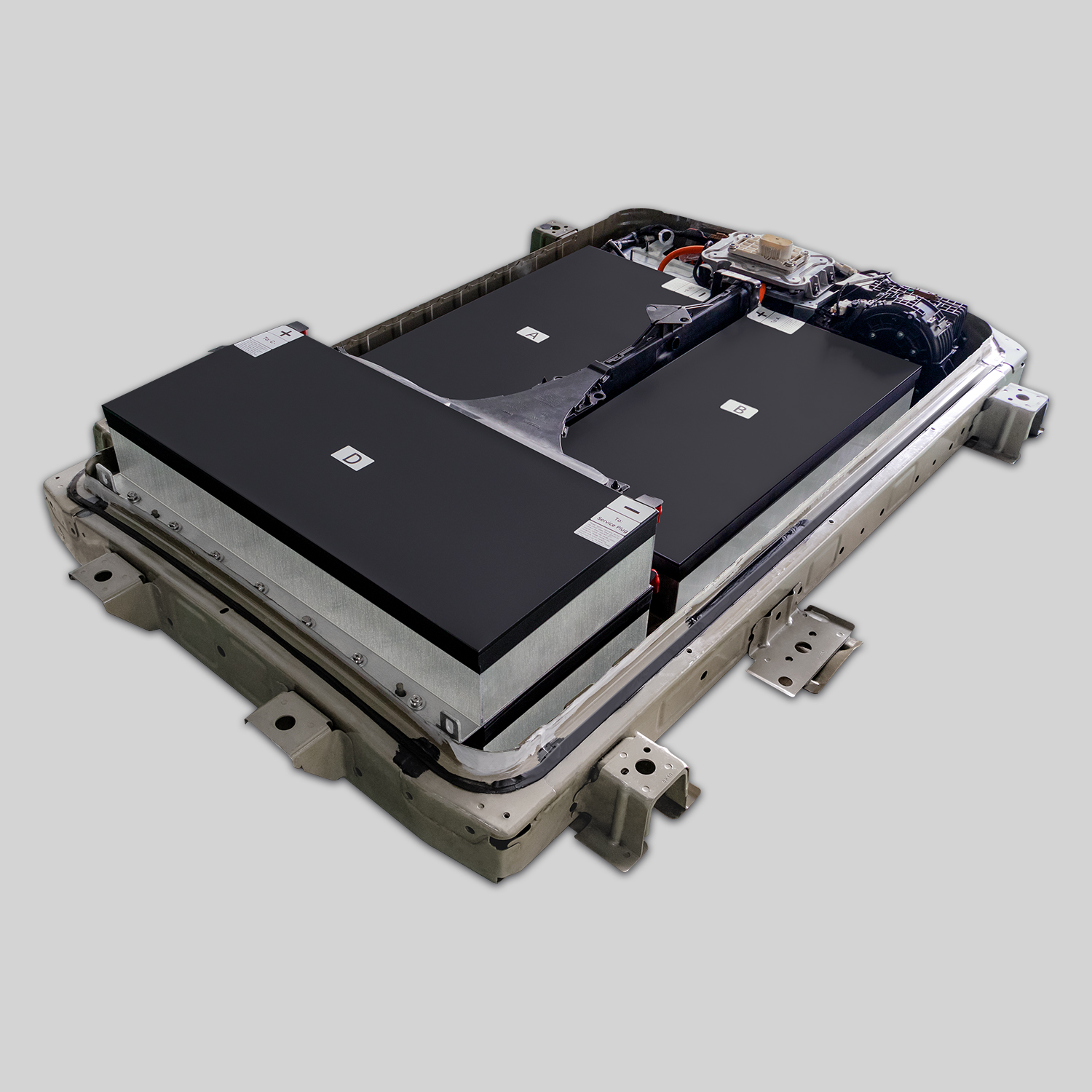
Battery Inspection: Unbox the CNS 62kWh battery (shipped in a fumigation-free wooden crate) and inspect for damage. Verify the battery pack dimensions (1620*1280*450mm) and check that all connectors are clean and intact.
-
Workspace Setup: Work in a well-ventilated area with level ground. Keep flammable materials away and have a first-aid kit nearby. If working indoors, ensure proper ventilation to dissipate any fumes.
Step-by-Step Nissan Leaf 62kWh Battery Installation
Follow these steps closely—our tutorial is tailored to the 62kWh battery’s unique specifications (1P96S assembly, 398V system) and Leaf’s factory design. Each step is optimized for safety and compatibility:
Step 1: Remove the Old Battery
-
Lift the Leaf using the hydraulic jack and secure it with jack stands—never rely on the jack alone. Remove the underbody covers (10-12 bolts) using a socket wrench.
-
Locate the high-voltage wiring harness (color-coded orange for safety) and disconnect the connector by pressing the release tab. Disconnect the 12V battery cables (negative first, then positive) and label them to avoid mix-ups.
-
Remove the battery mounting bolts (6-8 bolts, 55 N·m torque) in a crisscross pattern to avoid warping the tray. Attach the battery lifting hoist to the old battery’s lifting points and carefully lift it out—have a helper guide it to avoid hitting the vehicle’s frame.
-
Place the old battery on a non-conductive surface and cover the terminals with insulating tape. It’s eligible for a $300-$500 core credit—save it for return to CNS.
Step 2: Prepare the Battery Tray
-
Clean the battery tray with a wire brush to remove dirt, corrosion, or debris. Apply a thin layer of anti-seize compound to the mounting bolt threads to prevent rust.
-
Inspect the wiring harness and connectors for wear or damage. Replace any frayed wires or cracked connectors before installing the new battery—this prevents short circuits later.
-
Verify that the tray’s drain holes are clear to avoid water accumulation, which can damage the 62kWh battery’s housing.
Step 3: Install the New 62kWh Battery
-
Attach the lifting hoist to the new 62kWh battery’s designated points. Carefully lower it into the tray, ensuring it aligns with the mounting holes—do not force it into place.
-
Install the mounting bolts and torque them to 55 N·m (ZE0/AZE0) or 60 N·m (ZE1) in a crisscross pattern. This ensures even pressure and prevents vibration damage.
-
Connect the high-voltage wiring harness—listen for a click to confirm it’s securely locked. Reconnect the 12V battery cables (positive first, then negative) and tighten the terminals to 8 N·m.
-
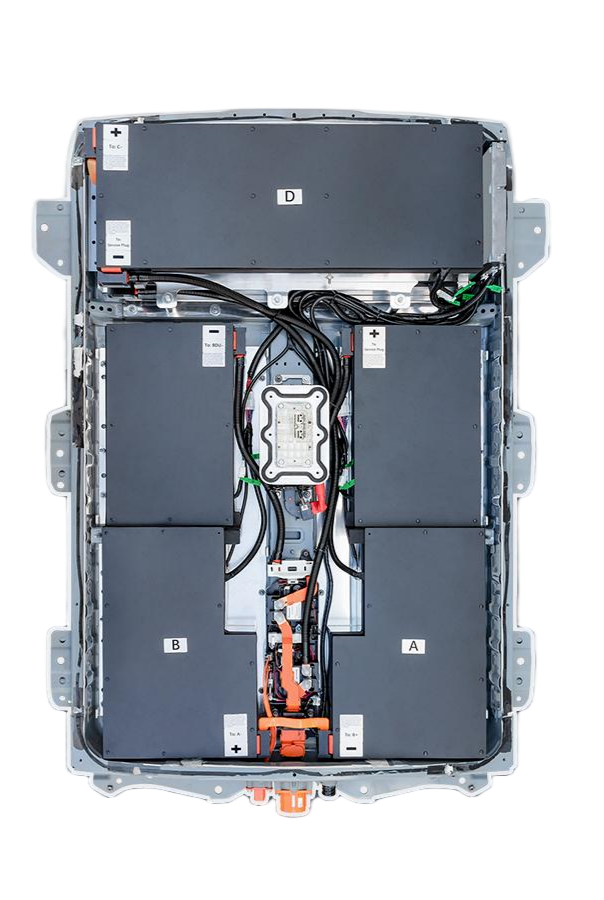
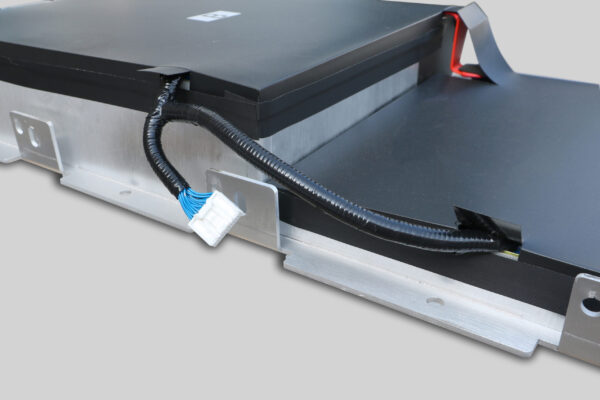
If installing separate modules (instead of a complete pack), connect the 6 power lines and 1 signal line as per the color-coded guide (included with your CNS battery). Ensure all connections are tight and free of debris.
Step 4: BMS Calibration (Critical Step!)
-
The 62kWh battery requires Leaf-specific BMS programming to sync with the vehicle’s electronics. Connect a compatible diagnostic tool (e.g., CONSULT-4 or CNS’s BMS calibration tool) to the OBD-II port.
-
Follow the on-screen prompts to select “62kWh Battery Upgrade” and initiate calibration. This process takes 10-15 minutes and ensures accurate range display, charging limits, and thermal management.
-
Do not skip calibration—unprogrammed BMS will cause range miscalculations, slow charging, or battery overheating. CNS provides free remote support if you encounter issues.
Step 5: Post-Installation Testing & Reassembly
-
Turn on the ignition and check for error codes—no codes indicate successful installation. Test the infotainment system to confirm the range display updates to ~440km WLTP.
-
Reinstall the underbody covers and torque the bolts to 10 N·m. Lower the vehicle carefully from the jack stands.
-
Test the charging system: Plug in a Level 2 charger and verify it starts charging within 30 seconds. For DC fast charging (47kW), confirm the battery accepts 0.75C current without errors.
-
Take a short test drive (5-10km) to check regenerative braking and overall performance. Monitor the battery temperature—normal operating range is -20°C to 55°C.
Key Safety Tips for 62kWh Battery Installation
The 62kWh battery’s high voltage and weight pose unique risks—follow these rules to stay safe:
-
Never Work Alone: Have a helper assist with lifting the battery and emergency response—360kg is too heavy to handle solo, and a second person can intervene if electrical issues arise.