Nissan Leaf Battery Swap: Essential Safety Precautions to Avoid Risks
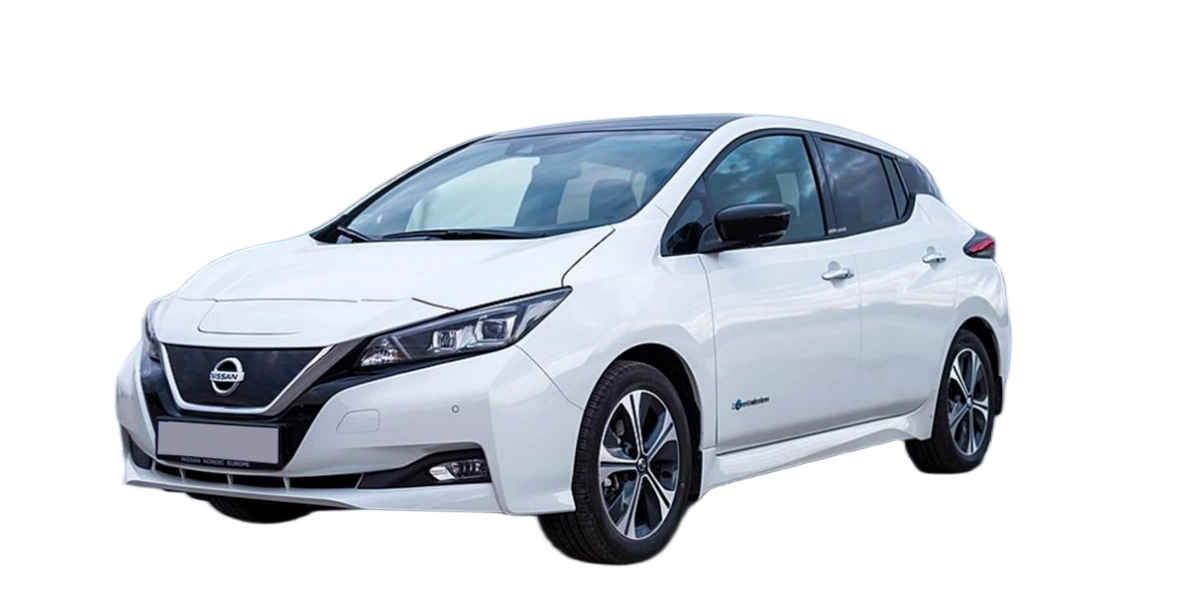
Are you planning a Nissan Leaf battery swap, but worried about electric shock, fire hazards, or damaging your EV? A Nissan Leaf battery swap involves working with high-voltage systems (345V+) that pose serious risks if not handled properly. Even seasoned DIYers and inexperienced technicians can make costly, dangerous mistakes without following strict safety protocols. As CNS BATTERY specialists, we’ve refined safety procedures over hundreds of Leaf battery swaps, and this guide breaks down the non-negotiable precautions to protect yourself, your team, and your vehicle. Follow these expert tips to ensure a safe, seamless battery swap every time.
Why Safety Precautions Matter for Nissan Leaf Battery Swaps
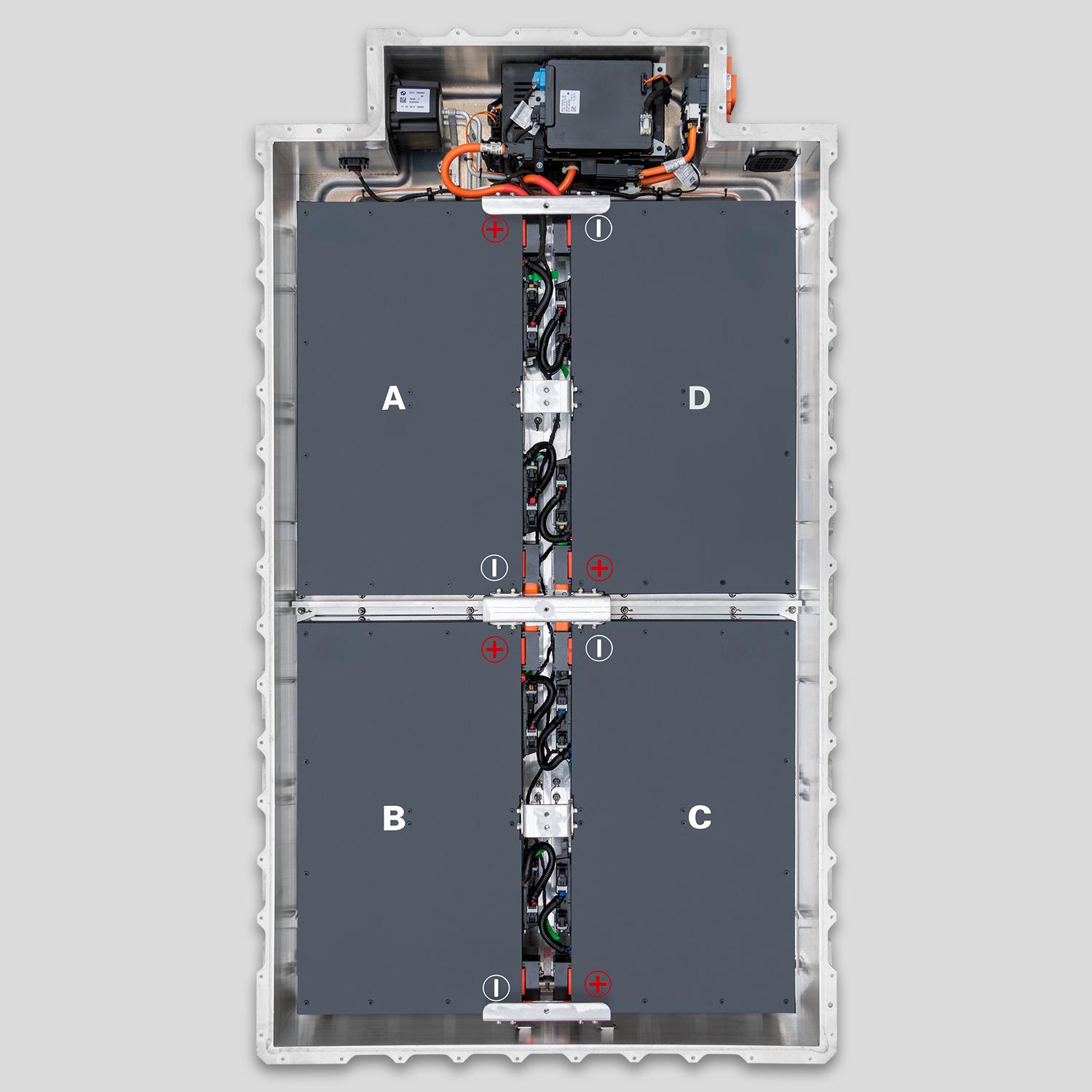
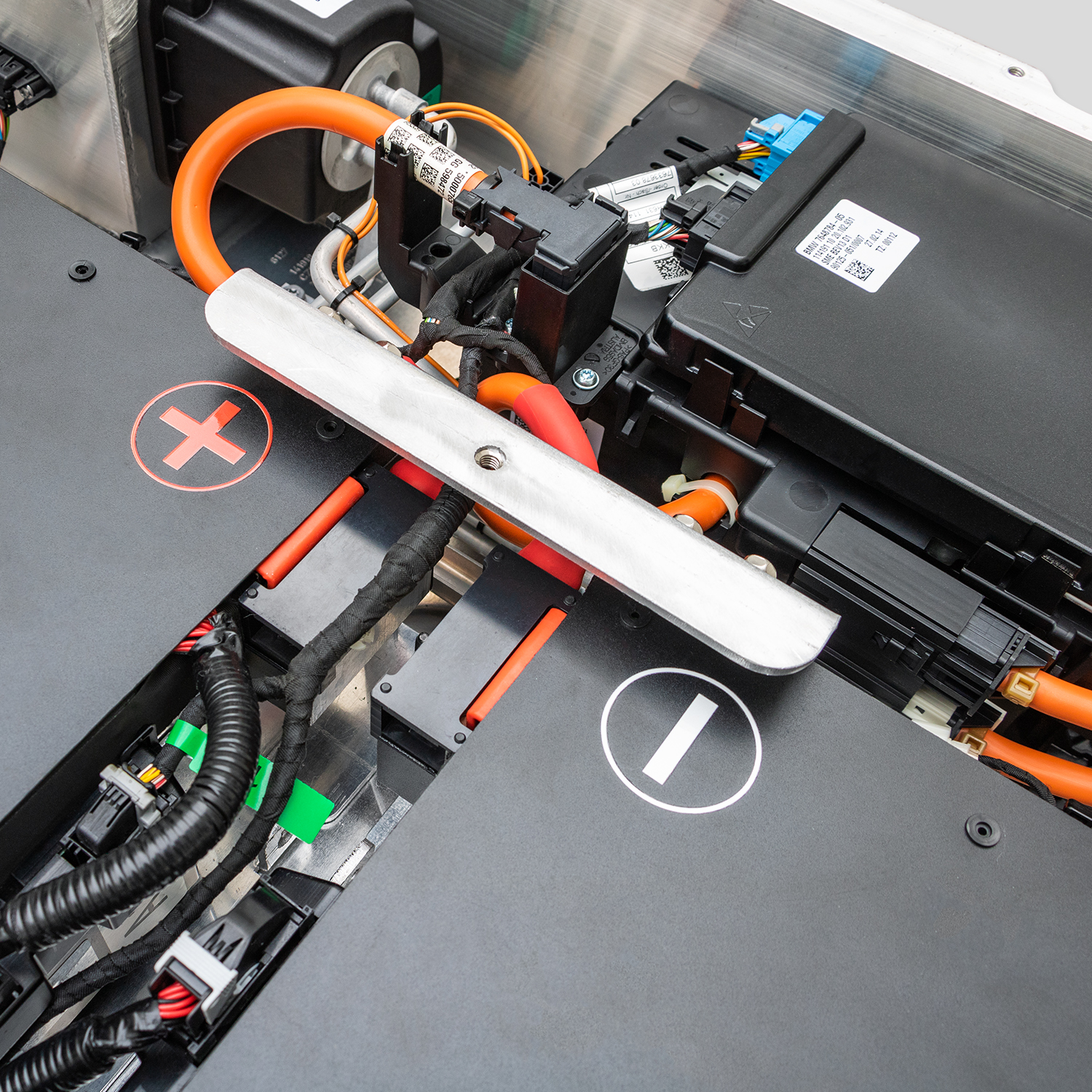
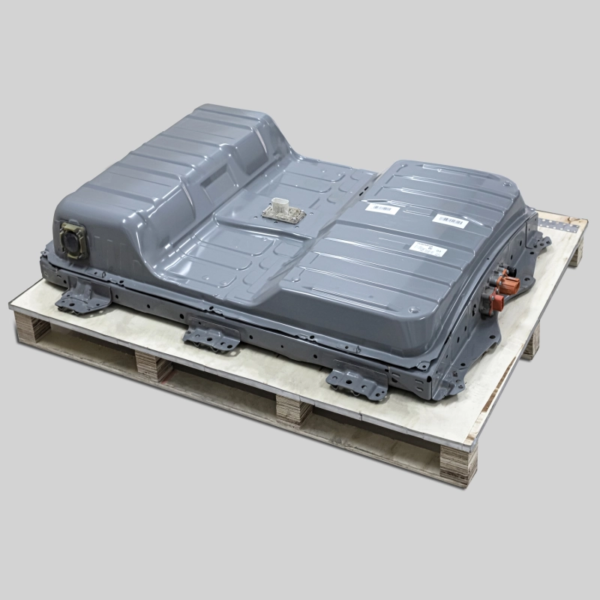
The Nissan Leaf’s battery pack—whether 24kWh, 40kWh, or 62kWh—stores massive electrical energy that can cause severe injury, fire, or permanent vehicle damage if mishandled. Unlike 12V car batteries, the Leaf’s high-voltage battery retains charge even after disconnecting the auxiliary power, creating hidden shock risks. Additionally, lithium-ion cells can catch fire or explode if punctured, short-circuited, or exposed to extreme temperatures during a swap.
Many Leaf owners underestimate these risks, leading to preventable accidents: electric shocks, melted wiring, or even total battery failure. Following proper safety precautions isn’t just a formality—it’s the difference between a successful swap and a costly, dangerous disaster. At CNS BATTERY, safety is our top priority, and our certified technicians adhere to these protocols on every job.
Pre-Swap Safety Precautions (Before Starting Work)
Safety starts before you touch a single tool. These pre-swap steps lay the foundation for a risk-free battery replacement:
1. Gather the Right Safety Gear (Non-Negotiable)
Never attempt a Nissan Leaf battery swap without proper personal protective equipment (PPE). Skimping on gear is the most common mistake that leads to injury. Essential safety items include:
-
Insulated gloves rated for 1,000V+ (class 00 or higher) to protect against electric shock. Replace gloves with cracks, tears, or signs of wear.
-
Safety glasses or face shield to shield your eyes from debris, battery acid, or sparks.
-
Non-conductive work boots and clothing (avoid cotton, which can catch fire easily; opt for flame-resistant materials).
-
A non-conductive work mat to stand on, preventing ground contact that could complete an electrical circuit.
2. Prepare a Safe Work Environment
Your workspace plays a critical role in safety. Choose a flat, level surface away from water, flammable materials (gasoline, oil, rags), and extreme temperatures (avoid direct sunlight or freezing conditions).
Ensure the area is well-ventilated to prevent the buildup of harmful fumes (lithium-ion batteries can release toxic gases if damaged). Keep a Class D fire extinguisher (for lithium fires) nearby—never use water, which can exacerbate battery fires.
3. Disconnect Power Properly (Critical Step)
The Leaf’s high-voltage system remains charged even after turning off the vehicle. Follow these steps to disconnect power safely:
-
Park the Leaf on a flat surface, engage the parking brake, and turn off the ignition. Remove the key or fob from the vehicle to prevent accidental startup.
-
Locate the 12V auxiliary battery (in the front trunk) and disconnect the negative terminal first (marked “-”), then the positive terminal (marked “+”). This cuts power to the high-voltage system’s control modules.