Winter Survival Guide for Leaf ZE1 50kWh Owners in Australia
As the crisp Australian winter sets in, Leaf ZE1 50kWh owners often face a familiar dread: watching the battery range plummet the moment the temperature drops. If you are a dedicated Nissan Leaf ZE1 owner in Australia, you know that winter isn’t just about wearing a thicker coat; it is about managing the “range anxiety” that comes with cold batteries. But fear not. As an EV battery specialist, I am here to share a comprehensive guide to help your Leaf ZE1 50kWh survive and thrive this winter.
Why Does Your Leaf ZE1 Range Drop in Winter?
Before we dive into the solutions, let us understand the enemy. Lithium-ion batteries, like the one in your Leaf ZE1, rely on chemical reactions to produce electricity. When the mercury dips, these chemical reactions slow down significantly. This isn’t just a perception; it is a physical limitation.
- Battery Efficiency: Cold temperatures increase the internal resistance of the battery. This means the battery has to work harder to deliver the same amount of power, draining it faster.
- Heating Systems: Unlike petrol cars that use waste engine heat to warm the cabin, your Leaf ZE1 uses precious battery power to run the heater. This is often the single biggest drain on your battery during winter.
Step 1: Preconditioning is Your Best Friend
The most effective strategy to combat winter range loss is preconditioning. This involves warming up your battery while the car is still plugged in.
- Why it works: A warm battery is a happy battery. Preconditioning ensures that when you unplug and start your journey, your battery is already at its optimal operating temperature, maximizing efficiency from the very first kilometer.
- How to do it: Use the NissanConnect app or set a charging timer. Start charging your Leaf ZE1 at least 30-60 minutes before your planned departure. The car will use grid power to warm the battery and the cabin, leaving your driving range untouched.
Step 2: Mastering the Art of Heating
Running the heater at full blast is tempting, but it is the fastest way to drain your 50kWh battery.
- Seat Heaters First: The Nissan Leaf ZE1 is equipped with heated seats. Use them! They consume significantly less energy than the cabin heater.
- Eco Mode: Engage Eco mode whenever possible. It limits the heater’s power consumption while still keeping you comfortable.
- Pre-Heating: If you are parked at work or shopping, plug in and turn the heater on. Use the grid power, not your battery, to keep the car warm while stationary.
Step 3: Driving Techniques for Maximum Range
Your driving style has a massive impact on your winter range.
- Smooth is Fast: Avoid急 acceleration and hard braking. The cold battery cannot regenerate energy as efficiently during braking, so coasting and anticipating traffic is crucial.
- Lower Speeds: Aerodynamic drag increases exponentially with speed. Driving at 90km/h instead of 110km/h can save up to 20% of your range on the highway.
- Tire Pressure: Cold air causes tire pressure to drop. Under-inflated tires create more rolling resistance. Check your tire pressure weekly during winter and keep it at the manufacturer’s recommended level.
Step 4: The Ultimate Upgrade: A New 50kWh Battery
If you are still struggling with range anxiety, despite following all the tips above, it might be time to look at the health of your battery itself.
The Reality of Battery Degradation
After years of Australian summers and winters, your original 50kWh battery has likely degraded. While a new battery might seem like a luxury, consider this: a degraded battery forces you to charge more often, limits your winter driving, and can even affect the resale value of your car.
Why Choose a CNS Battery?
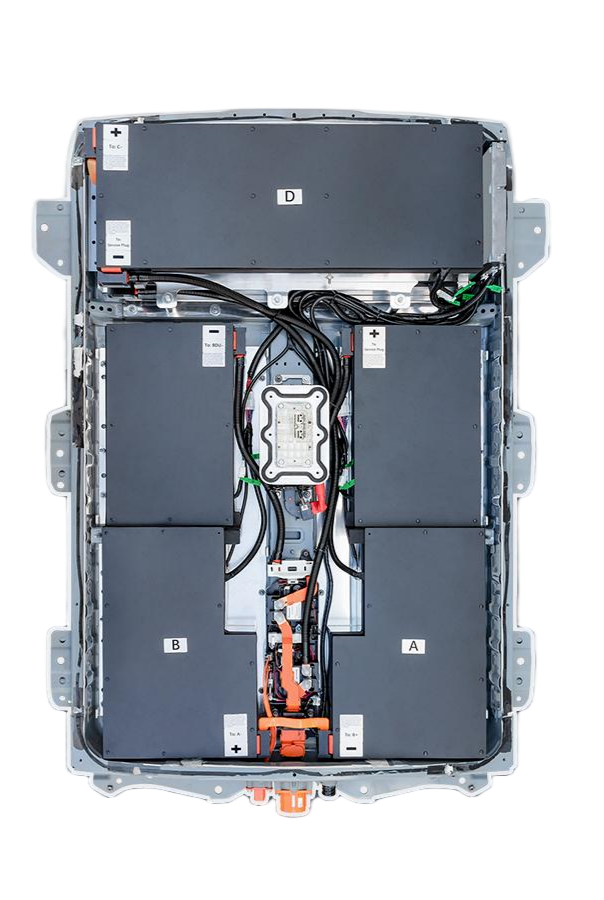
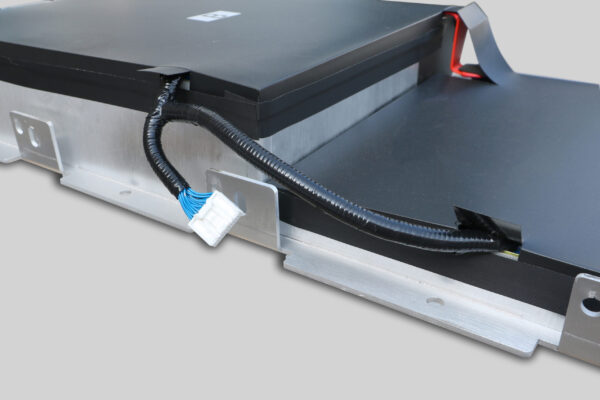
At CNS BATTERY, we specialize in high-performance replacements for Nissan and BMW models. For the Leaf ZE1 50kWh owner, we offer a solution that is not just about replacing a part, but about restoring your freedom.
- Brand New CATL Cells: Unlike refurbished or recycled batteries, we use brand new, top-tier CATL cells. This means you get the maximum possible capacity and lifespan, specifically engineered to handle the demands of Australian driving conditions.
- OEM Compatibility: Our batteries are designed to fit the Leaf ZE1 perfectly, ensuring all your safety systems and diagnostics work flawlessly.
- Unbeatable Warranty: We back our quality with a 2-year / 80,000km warranty. This is significantly longer than what most competitors offer, giving you peace of mind that your investment is protected.
- Cost-Effective: Replacing your battery with a CNS unit costs about 50% less than buying from the original manufacturer, without compromising on quality.
Step 5: Storage and Long-Term Care
If you are not using your Leaf ZE1 for an extended period during winter, proper storage is vital.
- Charge Level: Do not store the car with a 100% charge or a 0% charge. Aim for a 50% state of charge. A full charge puts stress on the battery chemistry, while a flat battery can suffer from permanent damage.
- Climate Control: If possible, park your Leaf ZE1 in a garage. If not, try to park it in a spot that gets the most sunlight during the day.
Conclusion
Winter driving in your Leaf ZE1 50kWh doesn’t have to be a battle against the elements. By combining smart driving habits, strategic preconditioning, and ensuring your battery is in peak health, you can enjoy reliable performance all season long.
If you are tired of the range anxiety and want to experience the joy of driving your Leaf ZE1 again, consider upgrading to a new CNS Battery. We are here to help you get back on the road with confidence.
Get Your Custom Quote Now
Frequently Asked Questions (FAQ)
Q: How much range can I expect to lose in winter?
A: It is normal to see a 20% to 30% reduction in range during cold weather, especially when using the heater. Preconditioning can help mitigate this loss.
Q: Is it bad to charge my Leaf ZE1 in the rain or snow?
A: No. Modern EVs, including the Leaf ZE1, are designed with robust weatherproofing. Charging in the rain or snow is perfectly safe.
Q: How long does a 50kWh battery last?
A: With proper care, a lithium-ion battery can last for 10-15 years or more. However, capacity will gradually decrease over time. A well-maintained battery should retain about 70-80% of its original capacity after 8 years.
Q: Can I install a new battery myself?
A: While it is technically possible, we strongly recommend having a certified technician perform the installation. This ensures safety and avoids voiding the warranty. We provide detailed installation guides and support for professionals.
Q: How do I know if my battery needs replacing?
A: If your “bars” have dropped significantly (e.g., from 12 bars to 10 bars or less), or if you are struggling to complete your usual daily commute, it is likely time for a replacement.
Q: How can I get a quote for a new Leaf ZE1 50kWh battery?
A: You can contact our technical experts now for customization and get a free quote tailored to your needs.