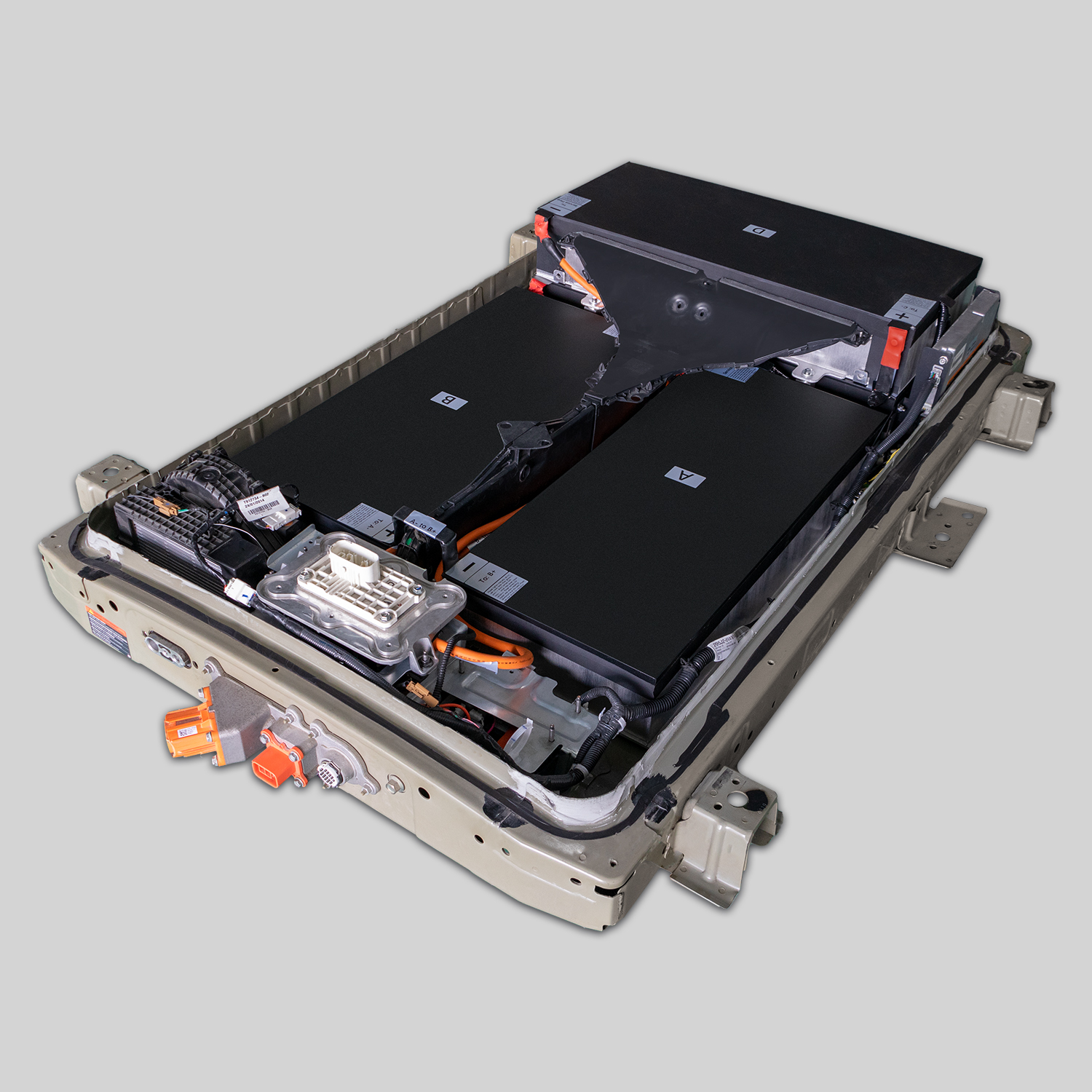
Is Upgrading Your Leaf ZE0 40kWh Battery Worth It in Canada?
If you are a Nissan Leaf ZE0 owner in Canada, you know the struggle. The harsh winters and long commutes can make that original 40kWh battery feel like a liability. You are not alone. Many Canadian drivers are looking at battery upgrades to escape “range anxiety” and the dreaded “Turtle Mode.”
But is it worth it? The short answer is yes, but only if you choose the right solution. Upgrading to a higher-capacity lithium-ion battery pack is the single most effective way to revive your Leaf ZE0, making it viable for Canadian winters and road trips.
Here is why Canadian drivers are switching and how to do it safely.
Why the 40kWh Battery is Holding You Back
The 2011-2015 Nissan Leaf ZE0 was a pioneer, but battery technology has evolved. The original 40kWh pack simply does not cut it anymore:
- Winter Range Collapse: In Canadian temperatures, your range can drop from 120km to less than 80km. This is barely enough for a grocery run.
- Capacity Degradation: After 8-10 years, most 40kWh packs have degraded significantly, losing up to 30% of their original capacity.
- Cost of New: Buying a brand new Nissan with a modern battery costs over $40,000. Upgrading your existing car costs a fraction of that.
The Canadian Upgrade Solution: 62kWh Lithium Power
The most popular and cost-effective upgrade path for the Leaf ZE0 is swapping the old 40kWh pack for a brand new 62kWh Lithium-Ion Battery Pack.
This is not a “refurbished” or “used” battery. We are talking about a brand new pack, engineered to fit your ZE0 chassis perfectly.
The Transformation:
| Metric | Original 40kWh | Upgraded 62kWh | Result |
|---|---|---|---|
| Theoretical Range | ~120 km | ~240 km | 2x Range |
| Winter Usable Range | ~70 km | ~190 km | Tripled Usability |
| Highway Driving | Struggles | Comfortable | No More Turtles |
| Cost | N/A (Already Paid) | ~$8,000 USD | Saves $20k+ vs New Car |
Real-World Impact in Canada:
With a 62kWh upgrade, your Leaf ZE0 goes from being a “city car” to a “regional commuter.” You can finally do the Vancouver Island loop, drive from Toronto to Niagara, or handle a full day of errands in Calgary without panicking about the next charger.
Why Canadian Mechanics Recommend New CATL Cells
When you look at upgrade options, you will see “remanufactured” packs and “new” packs. For the Canadian climate, brand new cells are non-negotiable.
The Problem with “Remanufactured” or “Recycled” Batteries:
Many suppliers take old battery modules from wrecked cars, test them, and slap them into a new case. In Canada, this is risky:
- Unknown History: Those cells might have already degraded in a hot climate.
- Winter Failure: Old cells have higher internal resistance. In cold weather, they produce less power and can trigger “Turtle Mode” instantly.
- Swelling Risk: Used cells are prone to swelling, which can damage your battery casing.
The CNS BATTERY Standard:
Canadian repair shops, like Mike’s Auto Service in Vancouver, rely on packs built with brand new CATL (Contemporary Amperex Technology) cells. CATL is the world’s largest battery manufacturer. Using their new cells ensures:
- Zero Degradation: You start at 100% health.
- Cold Weather Resilience: New chemistry handles sub-zero temperatures better.
- Safety: No risk of hidden damage from previous accidents.
The Cost-Benefit Analysis: Is it Worth It?
Let us break down the math for the Canadian consumer.
Option 1: Keep the 40kWh
You are limited to short commutes. You cannot use the heater in winter. Resale value is low ($2,000 – $4,000). You are likely considering scrapping the car.
Option 2: Buy a New EV
You spend $45,000+ on a new car, plus taxes, insurance, and financing for 5 years.
Option 3: The 62kWh Upgrade
You invest approximately $8,000 USD (approx. $11,000 CAD) in a brand new battery.
The Verdict:
Spending $11,000 CAD to add $20,000+ of driving value to your car is a smart financial move. You save the environmental impact of scrapping a car and avoid the debt of a new car payment. Your Leaf ZE0 becomes a reliable, long-range EV again.
Addressing the “Canada Tax”: Shipping and Import
A common concern is shipping lithium batteries to Canada.
Myth: “It is too expensive or impossible to ship batteries to Canada.”
Fact: Reputable suppliers handle this daily.
- DDP (Delivered Duty Paid): The best suppliers use DDP shipping. This means they pay the customs duties and taxes upfront. You do not have to deal with surprise fees at the border.
- Packaging: Batteries are shipped in fumigation-free wooden crates compliant with Canadian import laws.
- Timeline: While sea freight takes 4-6 weeks, this is standard. For urgent needs, air freight options are available (though more expensive).
How to Get Started with Your Upgrade
If you are ready to upgrade your Leaf ZE0 in Canada, follow these steps:
- VIN Check: Do not guess. Contact a supplier and provide your VIN number. They will confirm your ZE0 model year and ensure the 62kWh pack is a perfect plug-and-play fit.
- Choose New Cells: Insist on a battery built with brand new CATL or equivalent grade-A cells. Avoid “grade B” or used cells for Canadian winters.
- Installation: While it is a DIY project (taking about 2 hours), most Canadian owners prefer a professional mechanic to ensure the warranty is valid and the high-voltage system is handled safely.
Stop letting your battery limit your life. Upgrading your Nissan Leaf ZE0 40kWh battery is not just worth it; it is the most economical way to keep driving an EV in Canada.
Frequently Asked Questions (FAQ)
Q1: Will a 62kWh battery fit in my Leaf ZE0 without modifications?
Yes. The 62kWh battery pack is designed as a direct OEM replacement. It uses the same mounting points, connectors, and dimensions as the original 40kWh pack. It is a true “plug-and-play” upgrade.
Q2: How long does the installation take?
For a professional mechanic, the installation typically takes 1-2 hours. It involves disconnecting the old pack, removing it, and bolting in the new one. Most suppliers provide video tutorials and technical support for the BMS programming.
Q3: What is the warranty on these upgraded batteries?
Reputable manufacturers offer a 2-year or 80,000 km warranty (whichever comes first). This covers defects and ensures the battery maintains at least 70% capacity during the warranty period. This is often better than the warranty on a used car.
Q4: Can I install this battery myself?
Technically, yes, if you are a certified EV technician or have experience with high-voltage systems. However, due to the weight of the battery and safety risks, we strongly recommend professional installation to avoid voiding the warranty.
Q5: How does the battery handle Canadian winters?
While no battery is immune to cold, a brand new 62kWh pack with active thermal management performs significantly better. You will still see a range reduction in -20°C weather, but it will drop to around 190km instead of 70km, making it usable.
Ready to upgrade your Nissan Leaf ZE0? Get a free quote and compatibility check today.