🚀 The Ultimate Guide to Cutting Your Nissan Leaf ZE1 Battery Replacement Costs by 50% in New Zealand
Tired of paying top dollar for a Nissan Leaf ZE1 battery replacement? You’re not alone. If you’re in New Zealand, the standard cost for an OEM battery replacement is often a staggering NZ$10,000 to NZ$16,000. That’s a huge financial hurdle. But what if you could get a brand-new, high-performance battery pack for 50% less than that price?
As a specialist in EV battery solutions, I’ve seen countless Leaf owners stuck in “Turtle Mode” (the slow crawl mode triggered by battery degradation) panic at the repair quotes. The good news is that there is a smarter, more affordable path. By leveraging the right supply chain and cutting out the brand markup, you can save thousands while actually upgrading your driving range and safety.
Here is how to save 50% on your Leaf ZE1 battery swap in New Zealand, without sacrificing quality.
💰 Why the 50% Saving is Possible
The primary reason for the massive price difference between an OEM (Original Equipment Manufacturer) battery and a high-quality aftermarket solution like CNS BATTERY is brand premium and distribution costs.
OEM dealerships charge not just for the hardware, but for the brand name, the brick-and-mortar overhead, and the proprietary software lock-in. In contrast, specialized manufacturers like CNS focus purely on the engineering and materials. By sourcing top-tier cells (like CATL) directly and selling globally via a direct-to-consumer model, we cut the middleman markup.
The Reality Check: You are paying NZ$8,000+ extra for a logo, not for better lithium-ion cells.
📈 The “Upgrade” Paradox: Pay Less, Get More
Most Leaf ZE1 owners assume they are just replacing their old battery with an identical copy. However, the smartest way to save money is often to upgrade your capacity while saving.
The original Leaf ZE1 typically came with a 24kWh or 30kWh battery. By opting for a modern high-density replacement (like a 40kWh, 50kWh, or even 62kWh), you not only slash the price by 50% compared to a new Leaf purchase or OEM swap, but you also get a significantly longer range.
| Battery Type | Approximate NZD Cost | Range (WLTP) | Lifespan |
|---|---|---|---|
| OEM Replacement (30kWh) | $14,000 – $16,000 | 160 km | Standard |
| CNS Aftermarket (40kWh) | $6,000 – $7,500 | 240 km | 10+ Years |
| CNS Aftermarket (62kWh) | $7,500 – $8,500 | 380 km | 10+ Years |
Note: Prices are estimates based on 2026 market trends and do not include local NZ shipping surcharges.
By choosing a high-spec aftermarket pack, you are essentially paying half the price of a brand-new Leaf to get 80% of the performance.
🌏 Navigating Shipping & Customs from China to NZ
One of the biggest concerns for New Zealand customers is the logistics. “How do I get a 300kg battery from China to my driveway in Auckland or Wellington?”
The answer is DDP (Delivered Duty Paid) Service.
Unlike standard shipping where you face surprise customs fees upon arrival in NZ, a DDP service calculates all taxes, duties, and shipping costs upfront. This means:
- No Hidden Fees: The price you see on the quote is the price you pay.
- Doorstep Delivery: The battery arrives at your home or mechanic’s shop, fully cleared.
- Safety Compliance: Reputable suppliers use IATA-compliant packaging for lithium batteries, ensuring safe ocean or air freight.
Pro Tip: While air freight is faster (2-3 weeks), ocean freight is significantly cheaper and perfectly suitable for non-urgent replacements (6-8 weeks). This choice alone can save you hundreds of dollars in shipping.
🔋 Technical Confidence: Will it Fit and Work?
The Nissan Leaf ZE1 has specific hardware and software requirements. This is where quality matters more than price.
A cheap, generic battery might save you money upfront but fail within months due to poor Battery Management Systems (BMS). A premium aftermarket solution, however, matches OEM standards:
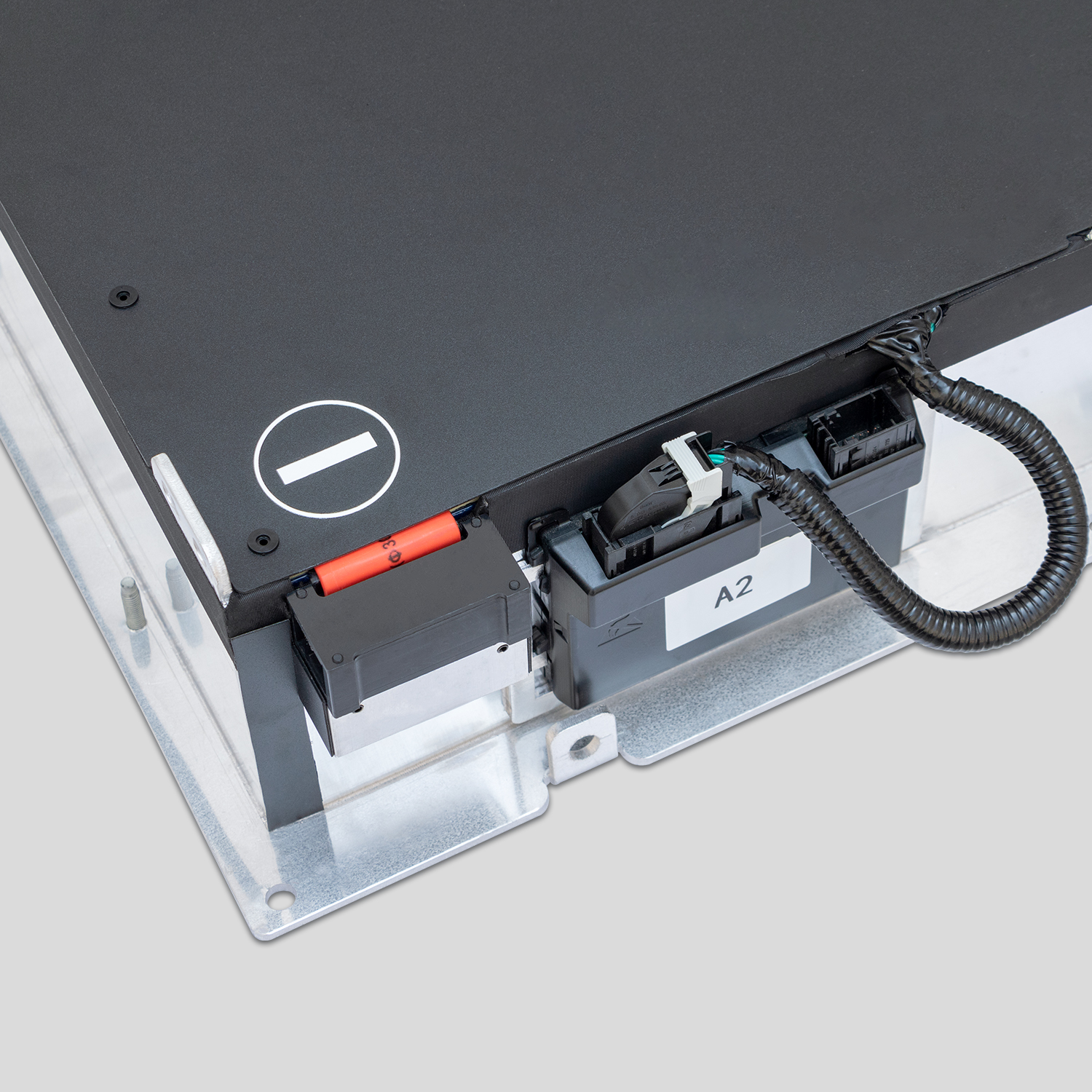
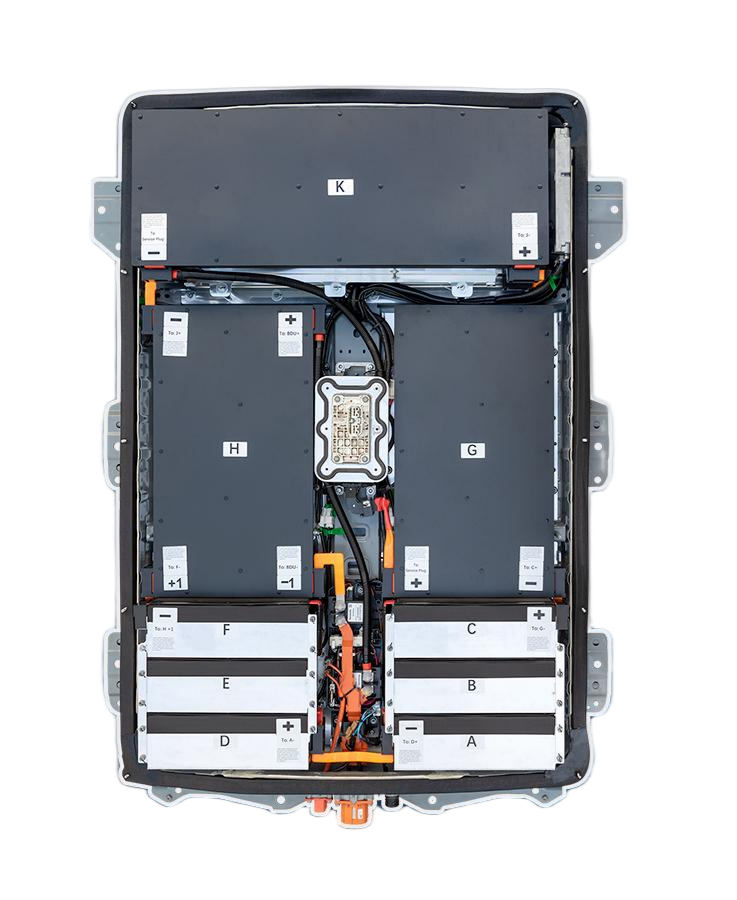
- Plug-and-Play Design: The physical dimensions, mounting points, and connectors are engineered to match the ZE1 chassis perfectly. No cutting or welding is required.
- Software Compatibility: The BMS is programmed to communicate seamlessly with the Leaf’s Vehicle Control Unit (VCU). This prevents error codes and ensures features like regenerative braking work correctly.
- Cell Quality: The core of the saving is that you are using brand-new, A-grade cells (like CATL) which are often superior to the decade-old chemistry in your original pack.
🛠️ Installation: DIY or Mechanic?
Another way to save money is by choosing the right installation path.
- Professional Mechanic: Recommended for most users. A qualified EV technician can install the pack in roughly 2-3 hours. This ensures safety and avoids voiding any potential workshop warranties.
- DIY (Do-It-Yourself): For the technically skilled, a plug-and-play kit can save the labor fee (approx. NZ$800-$1,200). However, this requires high-voltage safety gear and knowledge of BMS programming. If you attempt this, ensure your supplier offers video call support to guide you through the coding process.
📝 Step-by-Step Guide to Your 50% Saving
Ready to get started? Follow these steps to secure your replacement:
- VIN Check: Contact the supplier with your Vehicle Identification Number. This confirms the exact hardware revision of your ZE1.
- Select Capacity: Decide if you want to stick with the original size or upgrade to 40kWh/62kWh for better range.
- Choose Shipping: Pick air freight for speed or sea freight for maximum cost savings.
- Installation: Book your mechanic or prepare your tools.
- Drive: Enjoy your “new” car.
❓ Frequently Asked Questions (FAQ)
Q1: Is a non-OEM battery safe for my Leaf ZE1?
Yes, if it is built by a reputable manufacturer using A-grade cells and a robust BMS. Look for suppliers that offer a comprehensive warranty (e.g., 2 years / 80,000 km) as proof of their confidence in the product’s safety.
Q2: Will this affect my car’s WOF (Warrant of Fitness) in NZ?
Replacing the battery with a compatible, safe unit does not automatically fail a WOF. The vehicle must be safe and roadworthy. A properly installed, high-quality aftermarket battery that meets electrical safety standards should not be an issue.
Q3: How long does the BMS programming take?
With the right tools and software (often provided or supported by the supplier), BMS programming can take 30 minutes to 1 hour. Many suppliers offer remote video support to walk you through this critical step.
Q4: What happens if I have a problem after installation?
A reliable supplier will have a technical support team. If the battery is faulty, a good warranty covers return shipping and replacement. Always verify the warranty terms (parts, labor, and return logistics) before purchasing.
📩 Ready to Revive Your Leaf?
Don’t let the fear of high costs keep you from driving. You can save 50% on your Nissan Leaf ZE1 battery replacement and enjoy a longer range than when the car was new.
Get your free, no-obligation quote today and see exactly how much you can save.
👉 Click Here to Contact Our Technical Experts for a Custom Quote