Here is the SEO-optimized article tailored to your requirements.
The Impact of Heatwave on Leaf ZE1 Battery Health (SOH)
The summer sun can be unforgiving, especially for electric vehicle owners. If you drive a Nissan Leaf ZE1, you might have noticed your dashboard range dropping faster than usual during a heatwave. While it’s common knowledge that cold weather affects batteries, the impact of high temperatures on Lithium-ion packs is often underestimated.
As a specialist in Nissan EV batteries, I often get asked: “Is the heat permanently damaging my car?” The short answer is yes, heat is the primary enemy of Lithium-ion battery longevity. In this guide, we will dissect how extreme heatwaves affect your ZE1’s State of Health (SOH), why it happens, and crucially, what you can do to protect your investment.
🔋 Why Heat is the Silent Killer of Lithium-Ion Batteries
Most Nissan Leaf ZE1 models on the road today utilize Lithium-ion (Li-ion) battery technology. Unlike the older ZE0 models that suffered from thermal runaway issues with Lizard (AESC) cells, the ZE1 uses a more stable chemistry. However, no Lithium-ion battery is immune to the laws of physics.
The Chemical Reaction:
Batteries function through chemical reactions. Heat accelerates these reactions. While this might sound beneficial for performance (faster charging/discharging), it accelerates the degradation of the electrolyte and the electrodes inside the cells. This process is known as “calendar aging.”
The “Knee Point” Effect:
Battery degradation isn’t linear. Under normal conditions, a ZE1 battery might degrade slowly for the first few years. However, exposure to frequent heatwaves pushes the battery past a critical threshold known as the “knee point.” Once past this point, the capacity drops rapidly, often losing 20-30% of its range in a single season.
📉 How Heatwaves Specifically Target the ZE1
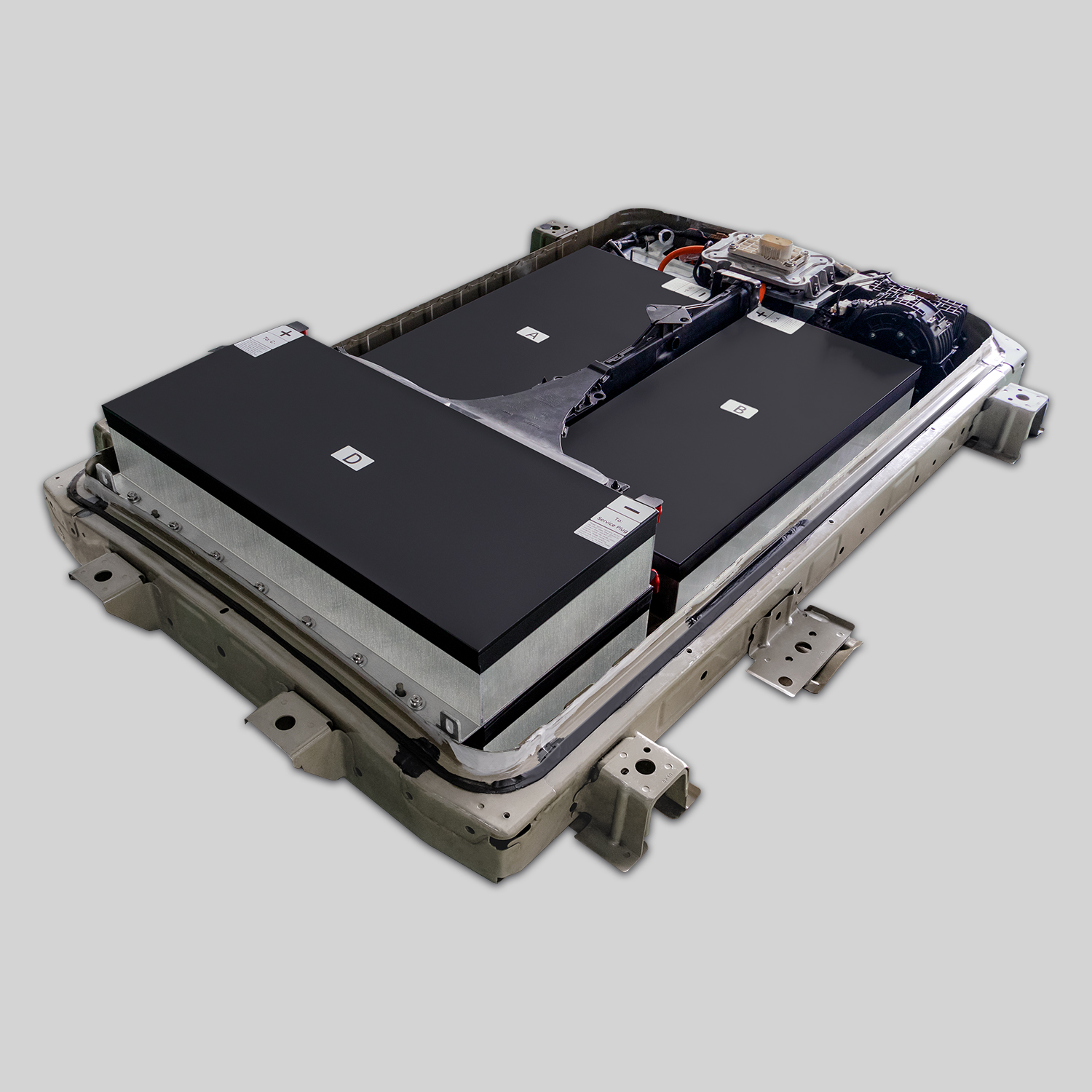
The Nissan Leaf ZE1 (2018-2023) has a passive air-cooling system. This is a critical factor when discussing heatwaves.
- Passive Cooling vs. Active Cooling:
Unlike Tesla or the BMW i3 (which has a glycol loop), the Leaf relies on ambient air to cool the battery pack. During a heatwave, the ambient air temperature can exceed 40°C (104°F). When the air entering the battery compartment is already this hot, the cooling system becomes ineffective. The heat generated by the battery during driving has nowhere to go, causing the internal cell temperature to skyrocket. - Thermal Runaway Risk:
While modern Li-ion cells are safer than early Nissan batteries, sustained high temperatures increase the risk of thermal runaway. This is where a single failing cell overheats and causes a chain reaction. In a heatwave, if your battery already has weak cells (common in older ZE1 packs), the stress can trigger this catastrophic failure. - BMS (Battery Management System) Strain:
The BMS works overtime during heatwaves to balance the cells. If the temperature sensors (thermistors) are miscalibrated due to age, the BMS might not throttle the power correctly, leading to “Turtle Mode” (where the car drastically limits speed to protect the battery).
🛡️ Protecting Your ZE1 During the Summer
Living in a region prone to heatwaves doesn’t mean you have to park your car. Here are actionable steps to mitigate the damage:
- Preconditioning is Key: Always precondition your battery while the car is still plugged in. This uses the grid power to cool the cabin and the battery pack before you unplug. It prevents the battery from being stressed by both driving and cooling simultaneously.
- Avoid Peak Charging: Try not to charge the car during the hottest part of the afternoon (12 PM – 4 PM). Charging generates heat; adding external heat on top of that is a recipe for accelerated degradation.
- Parking Strategy: Park in the shade or a garage whenever possible. If you must park in the sun, consider a sunshade for the windshield to reduce cabin heat soak, which radiates into the battery.
🔄 The Ultimate Solution: Upgrading to a New Generation Pack
If you’ve checked your SOH and found it lacking, or if you live in a permanently hot climate, the best solution is a battery replacement.
This is where CNS BATTERY provides a solution tailored for the modern Leaf owner.
Why a CNS Replacement is Your Best Defense:
At CNS, we don’t just refurbish old packs; we build them new. We specialize in Nissan Leaf ZE1 40kWh, 50kWh, and 62kWh battery packs.
- Premium Cell Selection: We utilize brand-new CATL (Contemporary Amperex Technology Co. Limited) cells. CATL is a global leader in battery technology, and their cells offer superior thermal stability compared to older generation cells found in used packs.
- Cost Efficiency: Replacing a battery with an OEM unit can cost upwards of $15,000. A CNS battery offers the same factory-grade precision and safety for less than 50% of the price.
- Peace of Mind: We back our packs with a 24-month / 80,000 km warranty. This is significantly longer than the industry standard for replacement batteries. We guarantee our packs maintain at least 70% capacity over the warranty period.
Don’t let the heatwave force you into an early retirement for your ZE1. With a new CNS battery pack, you can restore your range and gain confidence in your car’s reliability, even in the hottest summers.
📝 Conclusion
Heatwaves are a significant stress test for your Nissan Leaf ZE1 battery. While the passive cooling system is adequate for mild climates, it struggles under extreme duress, leading to rapid capacity fade.
If you are experiencing range anxiety due to heat damage, upgrading to a new, high-quality battery pack from a trusted manufacturer like CNS is the most cost-effective solution. By utilizing new, thermally stable cells and offering an industry-leading warranty, we ensure your Leaf is ready to tackle the road, regardless of the weather.
❓ Frequently Asked Questions
Q1: How much range do I lose in a heatwave?
A: It’s normal to see a temporary drop of 10-15% in peak summer heat due to the air conditioning load and reduced chemical efficiency. However, if your range doesn’t recover in cooler weather, it indicates permanent degradation.
Q2: Is it safe to drive my Leaf ZE1 in the summer?
A: Yes, it is safe, but you must be cautious. Monitor your dashboard for “Turtle Mode” warnings. If the car enters this mode, pull over and let the battery cool down immediately. Do not attempt to force acceleration.
Q3: What is the difference between a refurbished battery and a CNS new cell pack?
A: Refurbished batteries are made from used cells pulled from salvage cars. These cells are already aged and prone to failure in heat. A CNS pack uses brand-new CATL cells, which are virgin stock, offering maximum lifespan and thermal safety.
Q4: How long does a CNS battery last in a hot climate?
A: While no battery lasts forever, our packs are designed for durability. With proper care and preconditioning, our customers in hot climates (like California and Australia) regularly report maintaining over 90% SOH for the first 3-4 years.
Q5: How do I check if my battery needs replacing?
A: You can perform a simple “Gidgit” test or check your LeafSpy data. If your battery capacity is below 80%, or if you are seeing frequent errors, it is time to consider a replacement.
Ready to restore your range and beat the heat?
Get Your Custom Quote Now