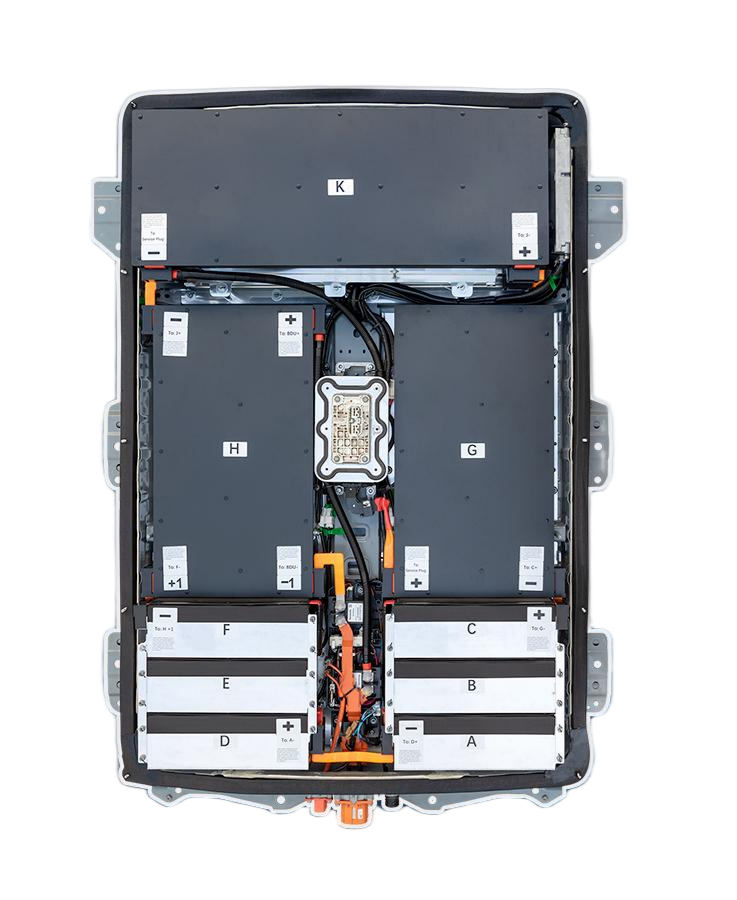
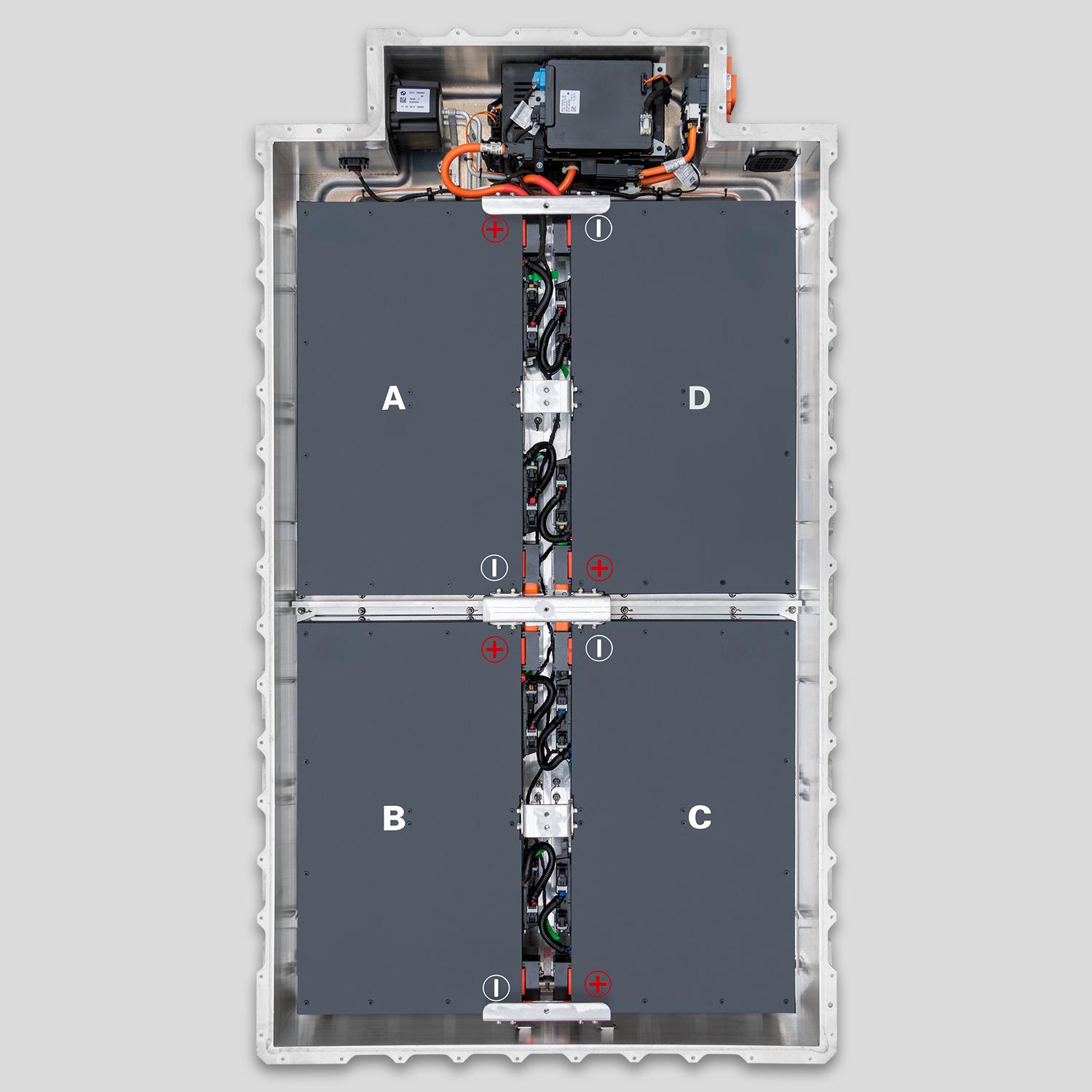
The Truth About Leaf AZE0 CATL vs Envision AESC for Long-Term Reliability
If you own a Nissan Leaf AZE0 (specifically the 40kWh or 62kWh models) and are facing battery degradation, you are likely standing at a crossroads. The original Envision AESC battery packs in these vehicles are known for their unique thermal management systems, but as they age, finding a reliable, long-term replacement becomes a complex decision.
The market is flooded with options, but two names dominate the conversation regarding longevity and performance: CATL (Contemporary Amperex Technology Co. Limited) and the original Envision AESC. As a specialized manufacturer of OEM-compatible EV powertrains, we often get asked: “Should I stick with the original chemistry, or is upgrading to a CATL-based pack the smarter long-term investment?”
Let’s cut through the marketing noise and examine the cold, hard facts about long-term reliability.
🔋 Understanding the Core Difference: LMO vs NMC
To understand reliability, you must first understand the chemistry.
- Envision AESC (Original): The AZE0 originally utilized Lithium Manganese Oxide (LMO) cells, often blended with Nickel Manganese Cobalt (NMC). While safe, LMO chemistry is notorious for higher internal resistance and faster degradation over time, especially in high-heat conditions. The original packs rely heavily on complex liquid cooling systems to manage the heat generated by this resistance.
- CATL (Replacement Standard): Modern replacement solutions, like those engineered by CNS, utilize high-density NMC (Nickel Manganese Cobalt) cells. These cells have significantly lower internal resistance, generate less heat, and offer a higher energy density.
The Reality: If your goal is “long-term reliability,” clinging to the original LMO chemistry often means inheriting the same degradation patterns. Switching to a high-quality NMC pack isn’t just a repair; it’s a technological upgrade.
🌡️ Thermal Management: A Key to Longevity
One of the biggest arguments against replacement batteries is the fear of overheating. The AZE0 was designed with a specific liquid cooling system for the flat, pouch-style AESC cells.
The Challenge: Many low-quality aftermarket batteries use cylindrical cells (like 18650s) crammed into the old casing. These often lack proper thermal coupling, leading to hotspots and premature failure.
The CNS Solution for AZE0:
We don’t just drop cells into a box. For the Leaf AZE0, our engineering focuses on thermal integrity:
- Module Design: We utilize large-format prismatic cells that mimic the surface contact area of the original, allowing for proper contact with the cooling plates.
- Thermal Interface: High-performance thermal conductive pads are used to ensure heat transfers efficiently from the cell to the liquid cooling plate—just like the OEM spec.
- BMS Optimization: Our Battery Management System is programmed specifically for the AZE0 chassis, monitoring temperatures in real-time to prevent thermal runaway.
Expert Insight: A battery is only as reliable as its ability to stay cool. A poorly thermally managed “cheap” replacement will fail in 1-2 years. A properly engineered NMC pack with correct thermal coupling can last a decade.
💰 The Cost of “Original” vs. “Upgraded”
Let’s talk about the financial reality of long-term ownership.
| Comparison Factor | Original Envision AESC (Refurbished) | CNS CATL NMC Replacement |
|---|---|---|
| Cell Condition | Often reused/swollen cells, aged chemistry | Brand New CATL Cells, fresh cycle life |
| Degradation Rate | High (Inherits old wear patterns) | Low (Stable NMC chemistry) |
| Warranty | Typically short or non-existent for used units | 2 Years / 80,000 km (Whichever comes first) |
| Price Point | 70-80% of new battery cost | ~50% of OEM cost |
The Verdict: Paying a premium for a refurbished Envision AESC pack often yields diminishing returns. You are paying for a shell and a BMS that is already 8-10 years old. Investing in a new CATL-based NMC pack offers a “zero-hour” reset on your battery life.
🛠️ Real-World Reliability: What Owners Say
Reliability isn’t just lab tests; it’s real-world performance. We track feedback from repair shops and individual owners who have made the switch from degraded AESC to our NMC solutions.
- The “Plug-and-Play” Myth: Some believe the AZE0 requires complex coding. While coding is necessary, our packs are designed for compatibility. The physical connection is OEM-standard, and the communication protocols are matched to Nissan’s CAN bus system.
- Range Recovery: Owners consistently report that our 62kWh packs restore the vehicle to near-original range specifications (often exceeding 400km real-world), without the “turtle mode” anxiety associated with the aging AESC packs.
- Zero Failure Rate: In our supply chain to professional repair shops, we maintain an almost zero failure rate on the hardware itself. When issues arise, they are usually related to incorrect installation or pre-existing vehicle faults, not cell degradation.
🛡️ Why “New Chemistry” Wins for the AZE0
Choosing between CATL and Envision AESC isn’t just choosing a brand; it’s choosing a technology generation.
- Energy Density: NMC cells provide more range per kilogram. This reduces the strain on the battery during acceleration, contributing to longer life.
- Cycle Life: New NMC cells typically offer 3000+ charge cycles before dropping below 80% capacity. The original LMO cells degrade significantly faster.
- Safety Margin: Modern NMC cells have improved thermal stability compared to the older LMO technology used in early Leafs.
If your goal is to keep your Leaf AZE0 on the road for another 5-10 years, the answer is clear: You need new, high-quality chemistry.
Sticking with the old technology might feel “safe,” but it is a guaranteed path to repeating the same degradation cycle. Upgrading to a properly engineered, thermally managed CATL NMC battery pack is the only way to guarantee long-term reliability and value.
❓ Frequently Asked Questions (FAQ)
1. Will a CATL battery work with my Leaf AZE0’s cooling system?
Yes, but only if it is engineered correctly. Generic drop-in batteries will overheat. Our AZE0-specific packs use large-format prismatic cells that make full surface contact with the OEM cooling plates, ensuring the liquid cooling system works as intended to dissipate heat.
2. Is the installation difficult?
For a professional technician, it is a standard procedure. The pack is designed to fit the OEM dimensions. However, BMS programming is required. We provide remote video guidance and technical support to ensure the new battery communicates perfectly with your car’s dashboard and charging system.
3. What is the warranty on these replacement batteries?
We stand by our build quality. All our Nissan Leaf batteries, including those for the AZE0, come with a 2-year or 80,000 km warranty. This covers defects in materials and workmanship and includes prorated coverage if the battery capacity drops below 70% during the warranty period.
4. How much does it cost compared to a new OEM battery?
Our replacement solution costs approximately 50% less than purchasing a new OEM battery from a Nissan dealership. This allows you to drive a “like-new” electric vehicle at half the price of a new compact car.
5. Where can I get a quote for my specific car?
You can get a free, personalized quote by providing your VIN (Vehicle Identification Number) to ensure perfect compatibility.