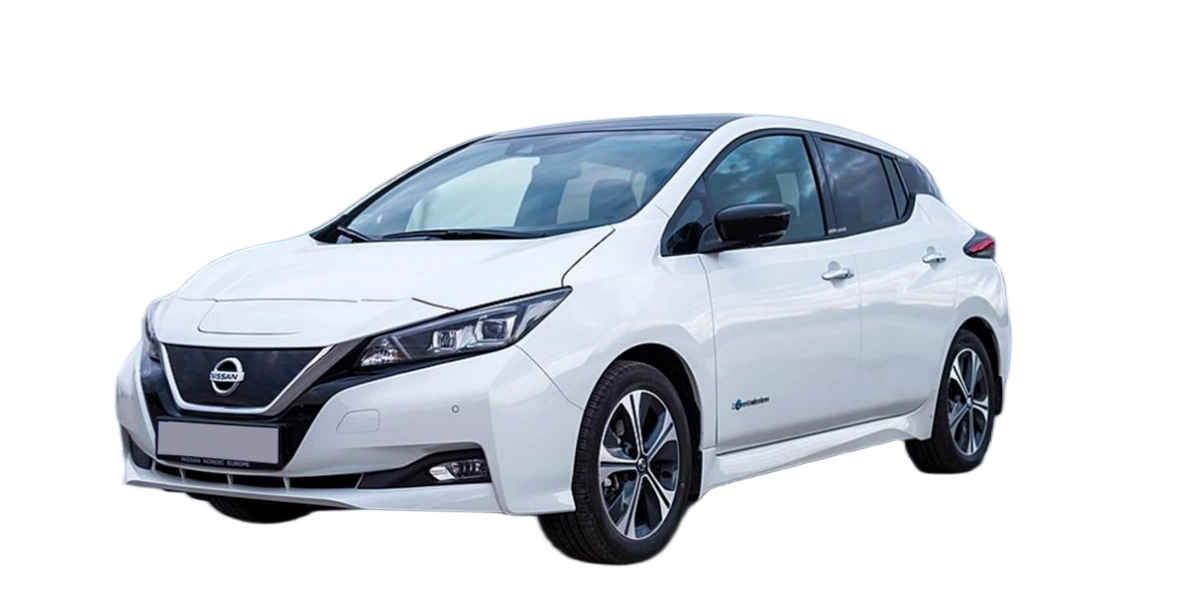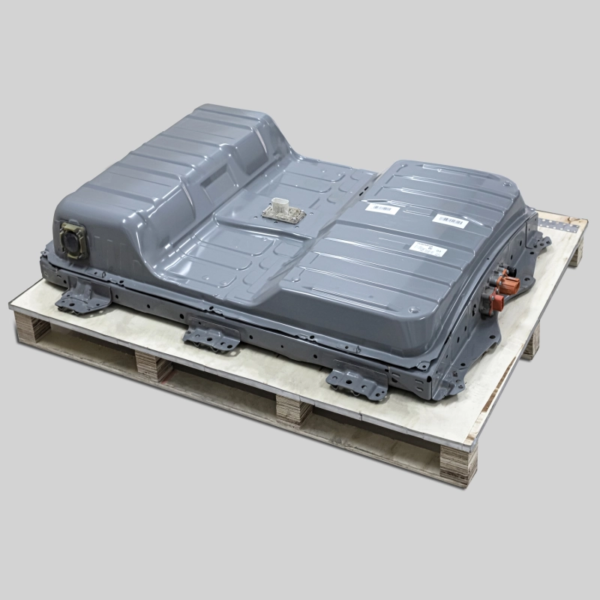
🧣 Winter Survival Guide for Leaf AZE0 68kWh Owners in New Zealand
As the crisp air of the New Zealand winter sets in, many Nissan Leaf AZE0 owners find their driving range taking a hit. If you’re staring at your dashboard, watching those kilometer estimates plummet with the dropping temperature, you are not alone. As an EV battery specialist, I understand the anxiety of “range anxiety” during the colder months. However, if you are the proud owner of a Leaf AZE0 68kWh model, you are already sitting on a significant advantage. This guide is tailored specifically for you, offering practical strategies to maximize your battery performance and ensure a smooth, warm ride throughout the winter.
⚡ Why the 68kWh Battery is Your Secret Weapon
Before we dive into the survival tactics, let’s talk about your battery. The 68kWh variant, often an upgraded or specific market configuration, offers a distinct buffer against the cold.
- The Physics of Cold: Lithium-ion batteries operate less efficiently when cold. The chemical reactions slow down, and the resistance increases. Typically, you can expect a 20-30% reduction in range during winter.
- The 68kWh Buffer: A standard battery might drop from 270km to 190km, causing panic. However, a 68kWh pack starts with a significantly higher State of Charge (SOC) and total energy. Even with a 30% loss, you are likely still above the 300km mark, giving you the freedom to use the heater without constantly calculating your return route.
Expert Insight: The key to surviving winter isn’t just the size of the battery, but how you manage the energy before it hits the motor. Preconditioning is your best friend.
🛠️ Essential Winter Tactics for NZ Conditions
New Zealand winters are unique—often damp, misty, and accompanied by southerly blasts. Here is how to adapt your driving style and habits.
1. Master the Art of Preconditioning
Do not wait until you get in the car to warm it up. This wastes precious traction battery power.
- Schedule it: Use your Leaf’s timer function to start charging (and warming the battery) 30 minutes before you leave. The heat pump or PTC heater will draw power from the grid, not your battery.
- Remote Start: If your model supports it, use the app to turn on the heater while the car is still plugged in.
2. Embrace Eco Mode and One-Pedal Driving
The Leaf AZE0 has excellent regenerative braking.
- Eco Mode: Keep it on. It softens the throttle response, preventing sudden surges of power that drain the battery quickly in cold, slippery conditions.
- B Mode: Use it liberally when descending New Zealand’s hilly terrain. It recaptures energy that would otherwise be lost as heat in the brakes.
3. Battery Thermal Management
If your 68kWh battery is a replacement unit (such as those engineered by specialists), ensure the Battery Management System (BMS) is calibrated for cold climates. A well-tuned BMS will keep the cells within their optimal temperature window, preventing the dreaded “Turtle Mode” where the car drastically limits power to protect the cells.
🔋 Is Your Battery Up to the Task?
Winter is the ultimate stress test for any EV battery. If you are considering an upgrade or a replacement for your current pack, winter is the perfect time to evaluate the quality of your cells.
Why Cell Quality Matters in Winter:
Not all batteries are created equal. During winter:
- Brand New Cells (e.g., CATL): Maintain structural integrity and ion flow even in low temperatures. They have a higher tolerance for the expansion and contraction caused by thermal cycling.
- Recycled/Used Cells: Often struggle. The electrolyte viscosity increases dramatically in the cold, and degraded separators can lead to internal resistance spikes. This results in rapid voltage drops and significantly reduced usable capacity.
The Cost of Cheap Solutions:
Many owners try to save money with refurbished packs, only to find them completely unusable in winter. A battery that shows 100% health in summer might show 40% in winter if the cells are old or mismatched.
Recommendation: If you are upgrading your Leaf AZE0, invest in a pack built with brand new, premium-grade cells. The initial cost is offset by the reliability you gain when the mercury drops.
📈 Upgrade Your Winter Experience
If you are currently driving on an older, degraded battery, winter is the perfect time to consider a 68kWh upgrade. This isn’t just about range; it is about confidence.
- The Upgrade Path: Swapping from a 40kWh or 50kWh to a 68kWh lithium battery pack can transform your Leaf into a long-distance cruiser, even in the depths of a South Island winter.
- Peace of Mind: With a high-capacity, new-cell battery, you can run the heated seats, the demister, and the heater at full blast without the fear of being stranded.
💡 Frequently Asked Questions (FAQ)
Q1: Can I install a 68kWh battery on my older Leaf model?
Yes, the Leaf AZE0 (2018+) platform is highly compatible with 68kWh upgrades. However, it requires a Battery Management System (BMS) that is programmed to handle the increased capacity and to communicate correctly with the Leaf’s Vehicle Control Unit (VCU). Always consult a technical expert to ensure the voltage and communication protocols match your specific year and model.
Q2: How much range can I realistically expect in winter?
While summer range for a 68kWh pack can exceed 450km, in typical New Zealand winter conditions (with heater usage), you should plan for approximately 300km to 340km. This is still significantly more than the original 24kWh or 30kWh packs could ever manage, even in summer.
Q3: What is the biggest mistake owners make in winter?
The biggest mistake is leaving the car unplugged overnight. Keeping the car plugged in (even if not actively charging) allows the car to use grid power to maintain the battery temperature. If the battery gets cold-soaked, the car will drain the battery to heat it up before you even start driving.
Winter in New Zealand doesn’t have to mean the end of your electric adventures. With a robust 68kWh battery and the right preparation, you can enjoy the scenic winter drives with the heater on and a full charge. Don’t let the cold weather limit your mobility.
Ready to upgrade your Nissan Leaf battery for winter? Get a free quote for a high-quality, compatible solution today.