🚗 How Cold Weather Affects Your e-NV200 Combi 62kWh Range (and How to Fix It)
As winter sets in here in Zhengzhou, we at CNS BATTERY are seeing a familiar trend: emails from Nissan e-NV200 owners asking why their brand new 62kWh battery packs aren’t delivering the 200+ miles of range they expected.
If you’ve recently upgraded your e-NV200 Combi to a 62kWh lithium-ion battery and are seeing a 30-40% drop in range during freezing temperatures, you are not alone. This is a physical reality of lithium-ion chemistry, not a defect in your pack.
As a leading manufacturer specializing in Nissan EV batteries, we’ve engineered solutions specifically for this. In this guide, we’ll break down the science of winter range loss and, more importantly, show you how to maximize your winter driving efficiency.
❄️ Why Does Your 62kWh e-NV200 Battery Range Drop in Winter?
When the temperature drops below 10°C (50°F), the electrolyte inside your Nissan e-NV200 lithium battery thickens. This increases internal resistance, making it harder for ions to move between the anode and cathode.
Here is what happens to your 62kWh battery pack in cold weather:
- Reduced Usable Capacity: Lithium-ion cells physically cannot discharge as much energy in the cold. You might lose up to 20% of your rated capacity immediately.
- Increased Energy Consumption: Heating the cabin consumes significant power. In an electric vehicle, the heater draws directly from the traction battery, not from engine waste heat like in a gas car.
- Regenerative Braking Reduction: Most EVs disable or reduce regen braking when the battery is cold to protect the cells. This means you lose the opportunity to recapture kinetic energy while driving.
For an e-NV200 Combi, this often translates from a theoretical 200+ mile summer range down to roughly 120-140 miles in harsh winter conditions.
🛠️ 3 Proven Fixes to Boost Your Winter Range
Don’t let the cold stop your deliveries or commutes. Here are three actionable strategies to get the most out of your 62kWh EV battery.
1. Pre-Conditioning: Heat the Battery While Plugged In
The most effective trick is to warm up the battery before you unplug. Modern EVs, including upgraded Nissan Leaf and e-NV200 models, allow you to precondition the battery using grid power.
- The Fix: Always precondition your battery while the vehicle is still connected to the charger. This uses electricity from the wall, not your 62kWh pack, to bring the cells to their optimal operating temperature (usually around 20-25°C).
- The Result: Your battery will accept charge and discharge more efficiently as soon as you start driving, and regenerative braking will be available immediately.
2. Utilize a Heat Pump (If Available)
If your e-NV200 Combi is equipped with a heat pump system, use it religiously in winter. Traditional resistive heaters are like using a toaster to heat your car—they are inefficient.
- The Fix: Switch to the heat pump setting. It moves heat from the outside air into the cabin using a small amount of electricity, similar to how your home AC works.
- The Result: A heat pump can improve your winter range by up to 10-15% compared to a standard heater.
3. Maintain Tire Pressure
This is often overlooked. Cold air causes tire pressure to drop.
- The Fix: Check your tire pressure weekly during winter. Under-inflated tires increase rolling resistance.
- The Result: Properly inflated tires reduce drag, helping your electric vehicle battery last longer per charge.
⚡ The CNS BATTERY Advantage for e-NV200 Owners
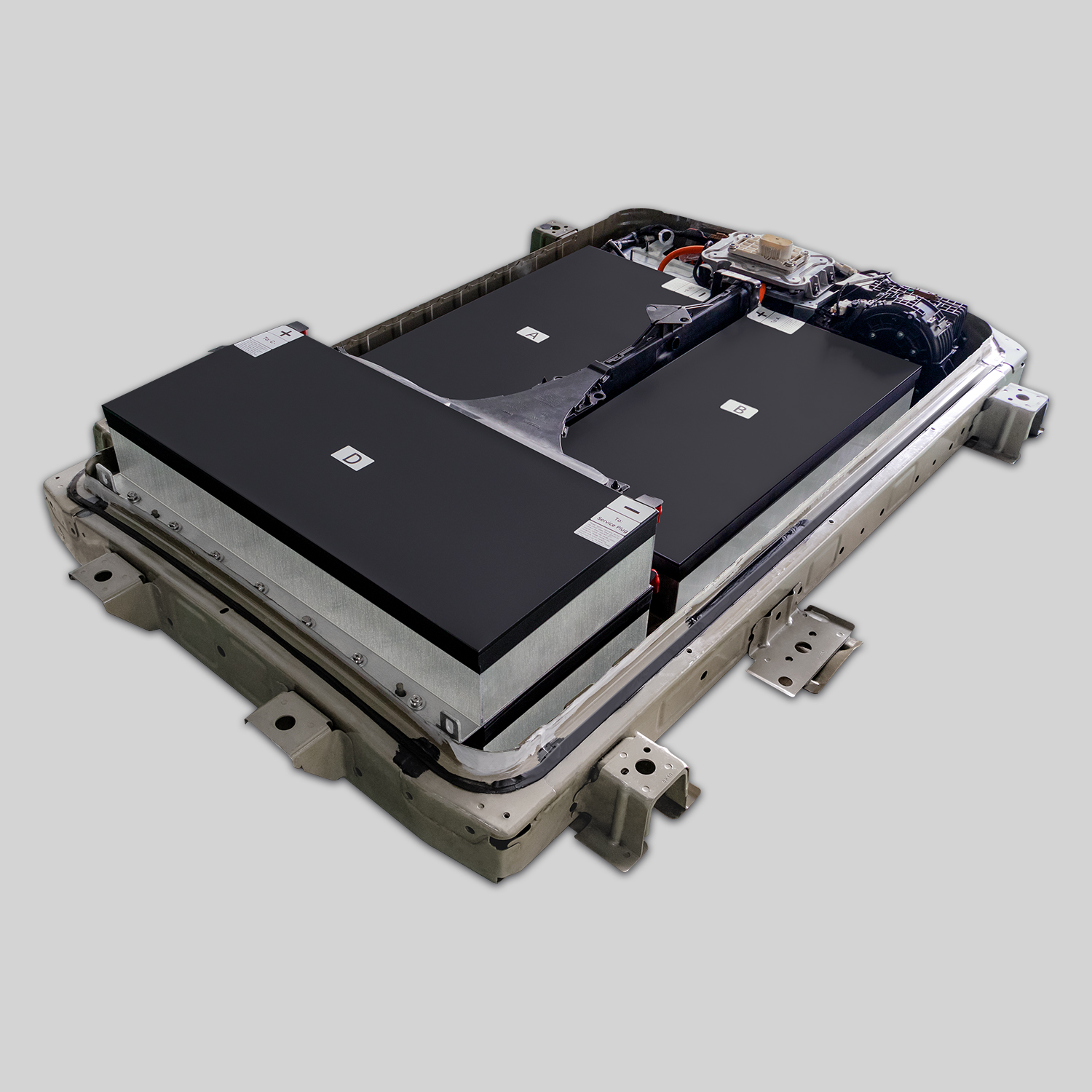
At CNS BATTERY, we don’t just sell lithium battery packs; we engineer them for real-world conditions. Our 62kWh modules for the Nissan e-NV200 are designed with winter performance in mind.
Why Our Batteries Handle the Cold Better
We utilize brand-new, top-tier CATL battery cells. Unlike recycled or refurbished cells that struggle with internal resistance, our cells are engineered for superior cold-weather performance.
- Advanced BMS: Our Battery Management System (BMS) is programmed to manage temperature gradients effectively, ensuring all cells in the 62kWh battery pack stay balanced even when it’s freezing.
- OEM Compatibility: We ensure our packs are fully compatible with Nissan’s thermal management protocols, allowing for seamless integration with your vehicle’s existing heating and cooling systems.
Expert Tip: If you are still using an old, degraded battery, winter will hit you twice as hard. Upgrading to a new 62kWh lithium-ion battery from CNS BATTERY can restore your range and make winter driving much more manageable.
📝 Winter Driving Checklist
To help you prepare, here is a quick checklist for e-NV200 owners facing the cold:
- 🔋 Precondition: Warm the battery while charging.
- 🌡️ Seat Heaters: Use seat and steering wheel heaters instead of the cabin heater when possible.
- 🔋 Tire Pressure: Keep tires inflated to the recommended level.
- 🛣️ Smooth Driving: Avoid rapid acceleration; cold batteries don’t like high current draws.
- 🏠 Storage: If possible, park in a garage or sheltered area to keep the battery warmer overnight.
❓ Frequently Asked Questions (FAQ)
Q1: Is the range loss in my 62kWh e-NV200 permanent?
No. The reduction in range you experience in winter is temporary. Once the ambient temperature rises and the battery warms up during driving, the full capacity of your 62kWh lithium battery pack will return. However, if your range does not recover in summer, it may be time to check your battery health.
Q2: Can I install a battery heater on my e-NV200?
Yes, and it is highly recommended. Many of our Nissan EV batteries come with, or can be retrofitted with, active heating systems. If you live in a region with harsh winters (like Northern China, Canada, or Scandinavia), an external heating pad or using the car’s thermal management system is crucial for maintaining battery life and performance.
Q3: What is the best way to charge a 62kWh battery in freezing weather?
Charge your battery immediately after driving while it is still warm. Charging a cold lithium-ion battery below 0°C (32°F) can cause lithium plating, which permanently damages the cells. If the battery is cold, use the preconditioning feature to warm it up before plugging in.
Q4: How does CNS BATTERY ensure quality for winter use?
We subject our 62kWh battery modules to rigorous testing, including thermal cycling tests. We use only brand-new CATL cells which have a lower internal resistance compared to recycled cells, ensuring better performance in low temperatures.
📞 Ready to Conquer the Cold?
Don’t let winter weather limit your e-NV200 Combi’s potential. Whether you need a full 62kWh battery replacement or just some technical advice on optimizing your current setup, the CNS BATTERY team is here to help.
Get a Free Custom Quote for your Nissan e-NV200 upgrade today and experience the difference of an OEM-compatible, high-performance powertrain solution.