❄️ Winter Survival Guide for Leaf ZE1 68kWh Owners in Ireland
Living in Ireland means embracing the rain, the green landscapes, and, unfortunately, the damp, chilly winters. If you drive a Nissan Leaf ZE1, you know that winter isn’t just about wearing a thicker coat—it’s about managing your battery range.
For Leaf ZE1 68kWh owners, the cold season can be particularly challenging. The ZE1 platform, while robust, relies heavily on thermal management to keep the battery performing optimally. When the mercury drops, your battery’s chemical reactions slow down, and the heater vacuum system in older Leafs can drain power quickly.
But don’t worry. As an expert in electric vehicle battery solutions, I’m here to share a comprehensive survival guide. We’ll cover how to maximize your range, protect your battery health, and ensure you stay warm and safe on the roads from Dublin to Galway.
Why the Leaf ZE1 68kWh Struggles in the Irish Cold
Before we dive into the solutions, let’s understand the “why.” The Nissan Leaf ZE1 (specifically the 2018-2023 models) introduced the larger 68kWh battery pack, offering significantly more range than its predecessors. However, this generation still utilizes a passive air-cooling system rather than a liquid-cooled system.
The Science of Cold:
Lithium-ion batteries operate best within a specific temperature range. In Ireland’s winter, when temperatures often hover around 0°C to 5°C, the electrolyte in the battery becomes sluggish. This results in:
- Increased Internal Resistance: The battery has to work harder to deliver the same amount of power.
- Reduced Regenerative Braking: The car may limit regen to protect the cold cells.
- Heater Drain: Heating the cabin in an electric car uses a direct electrical load, which can consume as much energy as driving the car.
🛡️ The 5-Step Survival Strategy for Irish Drivers
To combat the winter blues and keep your Leaf ZE1 running smoothly, follow these five essential steps.
1. Master the Art of Pre-Conditioning
This is your most powerful weapon against range anxiety.
Pre-conditioning means heating up your battery and cabin while the car is still plugged in. Since the 68kWh battery is larger, it takes more energy to warm up, so doing this while connected to the grid is crucial.
- Use the NissanConnect App: Set a timer to start charging and preconditioning 30 minutes before you leave for work. This ensures your battery is at its optimal operating temperature and your seats are warm without using any of your stored driving range.
- Schedule Charging: Ensure your car finishes charging just before you depart. A warm, fully charged battery retains heat longer.
2. Optimize Your Charging Habits
How you charge in winter directly impacts your battery’s longevity and performance.
- Keep it Plugged In: Whenever possible, leave your Leaf plugged in when parked. The car uses a small amount of grid power to maintain the battery temperature, preventing it from dropping to the ambient (cold) temperature.
- Avoid Deep Discharges: Try not to let your battery drop below 20% in winter. Cold, low-charged batteries are more susceptible to voltage sag and long-term degradation.
- Charge to 80% for Daily Use: While the 68kWh pack allows for longer trips, charging only to 80% can reduce stress on the cells during cold starts.
3. Drive Like a Pro (Not a Drag Racer)
Aggressive driving in winter is the fastest way to kill your range.
- Smooth is Fast: Accelerate gently. Jackrabbit starts waste energy and can cause wheel spin on wet Irish roads.
- Use ECO Mode: Engage ECO mode religiously in winter. It limits the maximum power output, smoothing your acceleration and forcing you to drive more efficiently.
- Anticipate Traffic: Look ahead and coast to a stop whenever possible. Regenerative braking is less effective when cold, so maximizing coasting distance is key.
4. Combat the “Heater Vampire”
Heating the cabin is necessary in Ireland, but it drains the battery fast.
- Steering Wheel & Seat Warmers: If your Leaf ZE1 has them, use them! They use a fraction of the energy of the main cabin heater and get you feeling warm instantly.
- Thermal Underwear: Dress for the occasion. Being warm in your clothes means you can keep the cabin temperature slightly lower.
- Park Strategically: If you have a choice, park in a garage or a spot sheltered from the wind. A sheltered car retains heat much better.
5. Battery Health Monitoring
Winter is the best time to check your battery’s health. The Leaf ZE1 68kWh pack should ideally hold its capacity well, but the cold can exaggerate any existing degradation.
- Check Your Bars: If you notice your capacity bars dropping significantly (e.g., losing 2-3 bars overnight), it might be a sign that your battery pack needs attention or that the thermal management is struggling.
- Look for Error Codes: Pay attention to the dashboard. “Turtle” mode or battery warning lights in winter often indicate that the cells are too cold or imbalanced.
⚡ Is It Time for an Upgrade?
If you find that even with these tips, your Leaf ZE1 range is simply insufficient for your Irish winter commutes, it might be time to consider the source of your power: the battery itself.
Many older Leaf batteries suffer from cell degradation or imbalanced modules. In summer, this might mean losing 10-15% range. In winter, that loss can balloon to 40% or more, making the car unusable for longer trips.
Why Choose CNS BATTERY for Your ZE1?
At CNS BATTERY, we specialize in high-performance replacements for Nissan and BMW EVs. For the Leaf ZE1 68kWh, we don’t just offer a battery; we offer a solution built for reliability.
Our batteries are engineered with:
- Brand-New CATL Cells: Unlike refurbished or recycled cells, we use premium, brand-new cells from CATL (Contemporary Amperex Technology Co. Limited), the world’s largest battery manufacturer. This ensures maximum energy density and longevity.
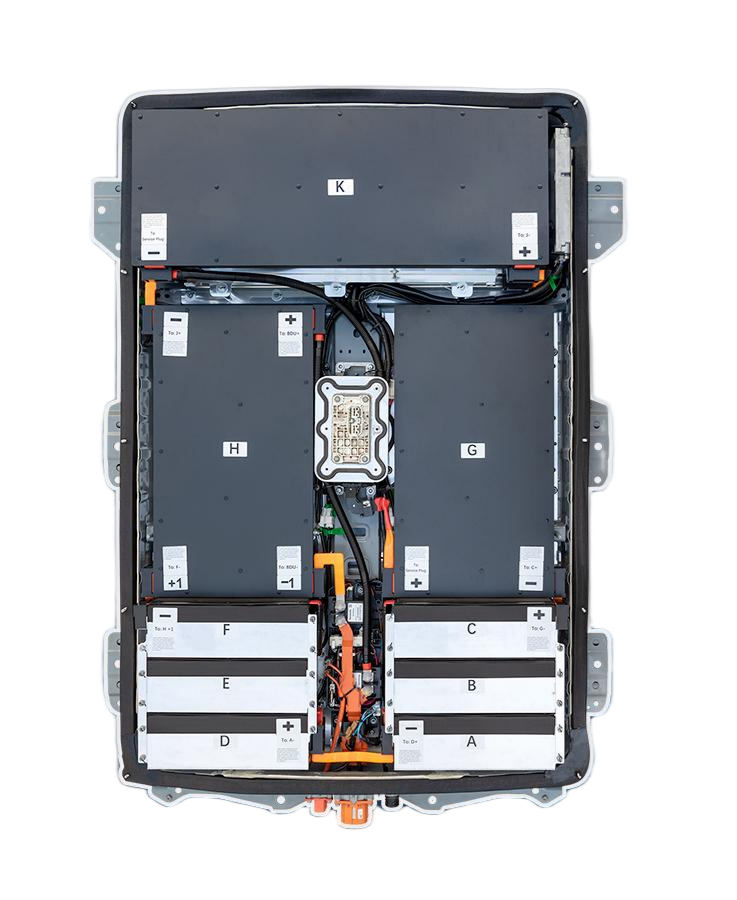
- Superior Thermal Management: Our packs are designed with enhanced thermal regulation in mind, helping your battery fight back against the Irish cold more effectively than a degraded OEM pack.
- Plug-and-Play Compatibility: We guarantee a perfect fit for your Leaf ZE1. There is no need for modifications or complex coding; our batteries integrate seamlessly with your existing BMS (Battery Management System).
The Value Proposition:
Replacing a degraded battery with a brand-new CNS BATTERY can restore your range to near-new levels. Imagine getting back that full 440km+ capability, even in winter.
Peace of Mind:
We back our quality with an industry-leading warranty. We offer coverage for up to 2 years or 80,000 km (whichever comes first), including protection against defects and performance degradation (ensuring your battery maintains at least 70% capacity). This is far superior to the warranties offered on refurbished or second-hand battery packs.
📝 Conclusion
Driving a Nissan Leaf ZE1 68kWh in Ireland during winter doesn’t have to be a battle against the elements. By following the pre-conditioning, charging, and driving tips above, you can significantly mitigate the range loss.
However, if your current battery is holding you back, don’t let the winter blues get you down. A high-quality replacement battery from a trusted manufacturer like CNS BATTERY can transform your driving experience. With brand-new cells and a robust warranty, you can face the Irish winter with confidence, knowing your range is reliable and your car is ready for anything.
Don’t let a degraded battery ruin your winter. Get a free quote today and see how we can help you extend your range and improve your safety.
Get Your Free Custom Quote Now
❓ Frequently Asked Questions (FAQ)
1. How much range can I expect from a Leaf ZE1 68kWh in Irish winter?
Typically, you can expect a 20% to 30% reduction in range compared to summer figures. A fully charged 68kWh Leaf might achieve around 240-260 km in mixed winter driving (with heating), compared to 340-360 km in ideal conditions. Pre-conditioning can help mitigate this loss.
2. Is it bad to leave my Leaf plugged in all winter?
No, it is highly recommended. Leaving your Leaf plugged in allows the Battery Management System (BMS) to use grid power to maintain the battery at an optimal temperature. This prevents the battery from getting “cold-soaked,” which is stressful for the cells and kills range.
3. What is the difference between a refurbished battery and a new CNS BATTERY pack?
A refurbished battery is made from used cells that have been salvaged and reassembled. They often have unknown degradation histories and are prone to swelling or failure in cold weather. A CNS BATTERY uses brand-new, premium-grade cells (specifically CATL), offering superior performance, safety, and a significantly longer lifespan, especially in challenging thermal conditions.
4. Does the Leaf ZE1 have a heater for the battery?
The ZE1 uses a passive air-cooling system, not a liquid-cooled system with a heater. However, the car can use energy from the grid (when plugged in) to warm the air around the battery pack during the pre-conditioning phase. This is why pre-conditioning is vital for winter driving.
5. How long does it take to install a new battery?
For a professional technician, installing a replacement battery pack typically takes 1-2 hours. The process is generally plug-and-play, but it requires proper safety precautions (disconnecting the HV battery) and BMS programming to ensure compatibility with your specific vehicle model.