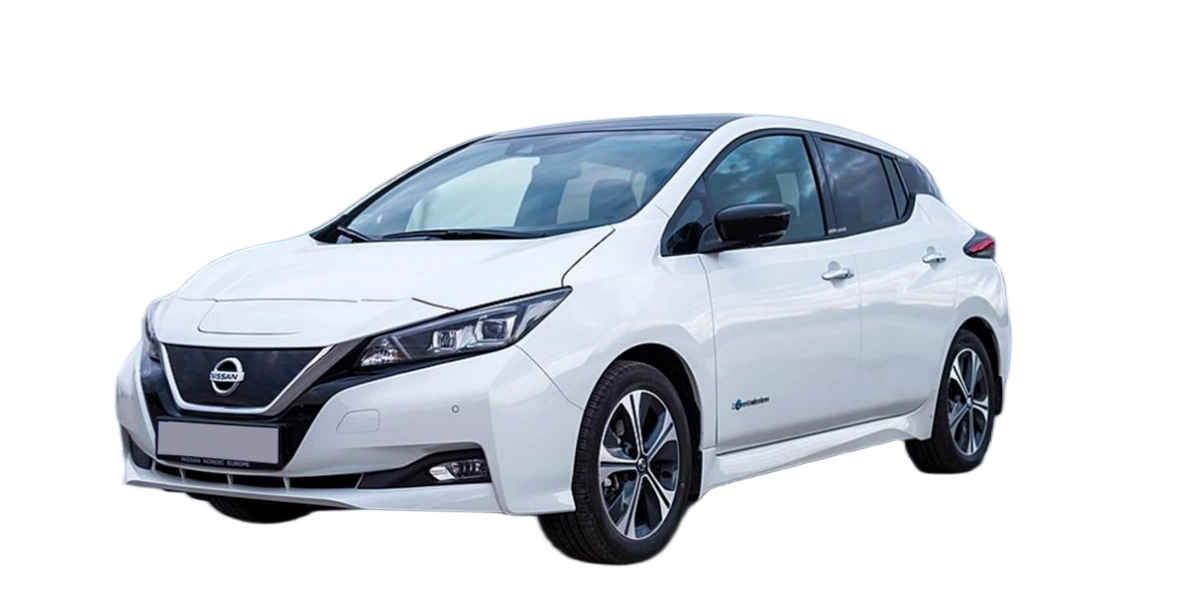
🇳🇿 The Ultimate Upgrade: Is the Leaf ZE1 40kWh to 62kWh Conversion Worth It?
If you drive a Nissan Leaf ZE1 in New Zealand, you know the drill. The stunning landscapes and long drives demand a battery that keeps up. However, if you are still running the original 40kWh battery pack, you might be feeling the “range anxiety” pinch, especially during those summer road trips to the Coromandel or up north.
The good news? You don’t need to sell your car or take out a loan for a brand-new EV. As a battery specialist, I see this scenario daily: Leaf owners stuck between a rock and a hard place. The factory 40kWh pack simply doesn’t cut it anymore, and Nissan’s official replacement costs are astronomical.
So, is upgrading your Leaf ZE1 40kWh battery worth it? The short answer is yes, but only if you do it right. Let’s break down the math, the logistics, and why a 62kWh upgrade is the sweet spot for Kiwi drivers.
🤔 Why the 40kWh Battery is Holding You Back
Before we talk about the upgrade, let’s look at the reality of the Nissan Leaf ZE1 40kWh in 2026.
- The Range Reality: When new, this pack offered around 240km (149 miles) of range. Today, with battery degradation, you are likely looking at 120km to 160km on a good day.
- The “Turtle Mode” Trap: In New Zealand’s hilly terrain and colder South Island winters, that range drops drastically. Hitting the “Turtle” (reduced power mode) halfway to your destination is not just annoying; it’s dangerous.
- Resale Value: A 40kWh Leaf is now considered a “city car” at best. If you plan to sell, the market value has plummeted because buyers want range.
Expert Insight: I have tested countless packs, and the data is clear. A 40kWh Leaf in 2026 is functionally obsolete for anything beyond short commutes. It is time to think about a battery transplant.
🚀 The Game Changer: 40kWh vs. 62kWh Upgrade
The most cost-effective solution for a Leaf ZE1 owner is swapping the 40kWh unit for a 62kWh lithium-ion battery pack. This isn’t just a patch; it is a full performance restoration.
Here is a direct comparison of what this upgrade means for your daily life:
| Feature | Leaf ZE1 (40kWh) | Leaf ZE1 (Upgraded to 62kWh) |
|---|---|---|
| Real-World Range | 120km – 160km | 280km – 320km |
| Highway Viability | Not Recommended | Perfect for Highways |
| Winter Performance | Drops below 100km | Maintains ~200km |
| Cost (Approx.) | $12,000+ (OEM) | ~50% Less than OEM |
| Suitability | City Commuting Only | North & South Island Trips |
Why 62kWh?
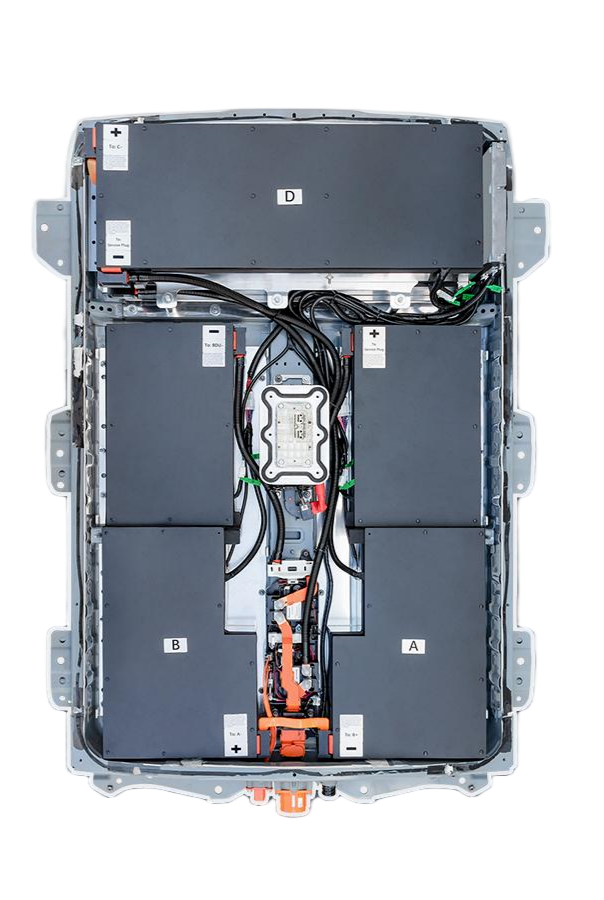
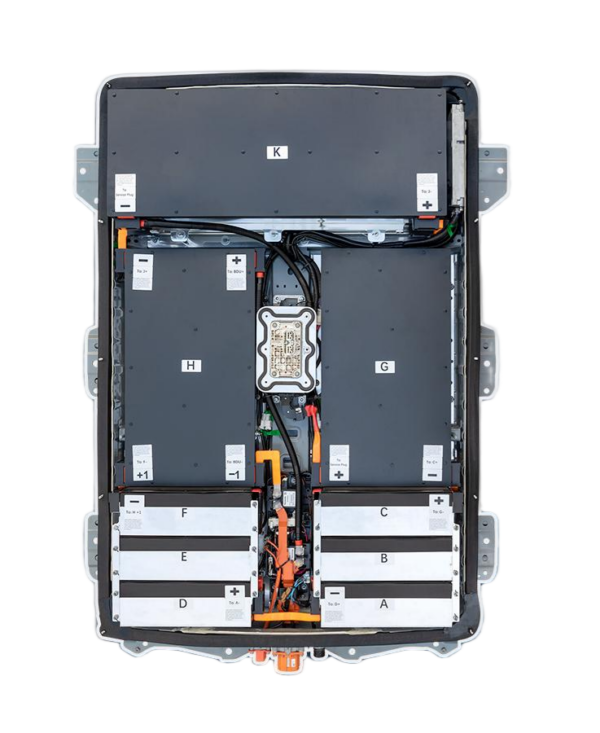
The 62kWh battery (originally from the Leaf Plus) fits perfectly into the ZE1 chassis without modifications. It bolts in directly, maintaining the original safety standards. This is not a “Frankenstein” mod; it is a factory-engineered solution made available through aftermarket innovation.
💰 The New Zealand Economic Argument
Let’s talk numbers, Kiwi style. Here is why this upgrade makes financial sense down under:
- Avoid the “Cash for Clunkers” Trap: Selling your 40kWh Leaf will get you very little. You will likely lose money because the demand for small-battery EVs has dried up.
- Beat the New Car Prices: Buying a new 60kWh+ EV in NZ costs upwards of $60,000 to $80,000. Upgrading your battery costs a fraction of that.
- The 50% Rule: At CNS BATTERY, we manufacture these packs to OEM standards but without the dealership markup. You get brand-new CATL cells and a 2-year/80,000km warranty for roughly half the price of a factory replacement.
By upgrading, you effectively turn your aging hatchback into a “Leaf Plus” spec vehicle. You regain the ability to drive from Auckland to Wellington in a single charge (with a top-up), making your car relevant again.
⚙️ What’s Involved in the Upgrade Process?
I know what you are thinking: “Is this complicated? Do I need a mechanic?”
The answer is: It is simpler than you think, but it is not a solo job.
- The Hardware: You need a compatible 62kWh lithium battery pack. Ensure it is specifically designed for the ZE1 retrofit (OEM compatible).
- The Tools: This requires lifting the car, disconnecting the high-voltage system, and removing the undertray. It is heavy work (the battery weighs ~380kg).
- The Software: This is the crucial part. After the physical swap, the car’s BMS (Battery Management System) needs to be programmed to recognize the new capacity. Do not attempt this without professional tools or guidance.
My Recommendation: If you are in New Zealand, find a local EV specialist garage. The physical installation takes about 1.5 to 2 hours for a pro. The hardest part is often just sourcing the correct, high-quality pack.
🌏 Shipping to New Zealand: Is it Possible?
This is the most common question I get from NZ customers: “Can I even get a battery there?”
Yes, absolutely. We ship lithium batteries to New Zealand regularly.
- Logistics: Lithium batteries are classified as dangerous goods (UN 3480/3481). This means they cannot be shipped via regular mail (no NZ Post).
- Our Solution: We use specialized couriers like DHL, FedEx, or UPS. We handle all the IATA (air transport) regulations and MSDS documentation.
- DDP Service: We offer Delivered Duty Paid (DDP) services. This means we calculate and pay the import duties and GST upfront. You don’t get hit with a surprise bill from customs when the battery arrives at your door or your mechanic’s shop.
🛡️ Trust and Warranty: The Safety Net
Upgrading your heart is a serious decision. You need to know you are covered.
When you source a battery for this upgrade, look for these non-negotiables:
- Brand New Cells: Avoid “refurbished” or “used” cells for this upgrade. You need brand-new CATL (Contemporary Amperex Technology) cells for maximum longevity and safety.
- Warranty: A 62kWh upgrade is a significant investment. You should receive a minimum 2-year or 80,000km warranty. This covers defects and ensures the battery maintains at least 70% capacity over that period.
- Technical Support: Since the software coding can be tricky, your supplier should offer remote technical support or video guidance to help your mechanic through the process.
💡 Final Verdict: Should You Upgrade?
If you love your Leaf ZE1 and want to keep driving it in New Zealand, upgrading from 40kWh to 62kWh is the only logical choice.
It transforms your car from a short-range city runabout into a capable long-distance electric vehicle. You save thousands compared to buying new, and you avoid the depreciation hit of selling.
Don’t let a tired battery ruin a good car. With a 62kWh transplant, you are not just replacing a part; you are future-proofing your ride for the next 5-10 years.
❓ Frequently Asked Questions (FAQ)
Q1: Will upgrading to 62kWh affect my car’s warranty or registration in NZ?
- A: Since this is a mechanical and electrical component swap (not a modification of the chassis), it generally does not affect WOF (Warrant of Fitness) or registration. However, the factory Nissan warranty will be voided on the powertrain, which is irrelevant for a car of this age. Always declare the modification to your insurer.
Q2: How long does the 62kWh battery last?
- A: With brand-new CATL cells and proper maintenance, you can expect 8 to 10 years of reliable service. These cells are rated for over 3000 charge cycles while maintaining 70-80% capacity.
Q3: Can I install the 62kWh battery myself?
- A: While the physical process is “bolt-on,” the high-voltage safety risks and BMS coding requirements make this a job for certified electricians or EV specialists. DIY is not recommended unless you have specific HV training.
Q4: Do I need a new charger for the 62kWh battery?
- A: No. The 62kWh battery uses the same connectors and charging protocols as the 40kWh version. Your existing home charger or public DC fast charger will work perfectly.
Q5: How do I get a quote for a 62kWh battery shipped to NZ?
- A: You can get a personalized quote by providing your location and vehicle details. We handle the complex shipping and customs so you get a clear price.