Boosting Leaf ZE1 Residual Value with High-Capacity 30kWh Packs
If you own a Nissan Leaf ZE1 (specifically the 2013-2015 model year with the 24kWh pack), you likely face a common dilemma: the vehicle is mechanically sound, but the battery degradation has turned your daily driver into a limited “grocery getter.” The fear of high replacement costs often leads owners to scrap the car or accept a massive loss in value.
However, there is a powerful economic strategy that transforms this situation: upgrading to a high-capacity 30kWh pack (or even higher). This isn’t just about adding range; it’s a direct investment in restoring your car’s market value and usability. As a specialist in Nissan EV batteries, I will explain why this specific upgrade is the most logical financial decision for the ZE1 chassis.
The ZE1 Value Crisis: Why 24kWh Isn’t Enough
The ZE1 generation was a pioneer, but its original 24kWh battery is now a liability. After 8-10 years, these packs typically retain only 60-70% of their capacity. This results in a painful reality:
- Real-World Range: Often drops below 60 miles (100km).
- Market Perception: A Leaf with less than 100 miles of range is considered “non-functional” for most used car buyers.
- Resale Value: These cars often sell for scrap prices ($1,000 – $2,000) or are traded in for massive losses.
To restore the ZE1 to “like new” usability, you need to bridge the gap between the old technology and modern expectations. This is where the 30kWh upgrade becomes the “sweet spot.”
The 30kWh Advantage: A Balanced Investment
While the market offers 40kWh, 50kWh, and 62kWh options, the 30kWh pack represents the perfect balance of cost and performance for the ZE1 body.
1. Restoring the Original Experience
The 24kWh ZE1 originally offered about 73 miles (117km) of EPA range. A 30kWh pack increases the energy density by 25%. This translates to a restored range of approximately 90-100 miles (145-160km) in real-world conditions.
Expert Insight: For a car designed in the early 2010s, 100 miles of reliable range brings the ZE1 back in line with its original marketing promise, making it a viable commuter car again.
2. The Financial Math: ROI on Resale
Let’s look at the numbers. A professional replacement with a new 30kWh pack typically costs significantly less than a brand-new OEM battery.
| Scenario | Estimated Cost (Parts + Labor) | Estimated Resale Value After | Net Gain/Loss |
|---|---|---|---|
| Keep Degraded 24kWh | $0 (but high charging frequency) | $1,500 (Scrap/Junk value) | $1,500 |
| Upgrade to 30kWh | $4,500 | $7,000 – $8,500 (Functional EV value) | +$2,500 to +$4,000 |
By upgrading, you shift the car from the “junk” category to the “functional used EV” category. This psychological and practical shift allows you to recoup a significant portion of your investment when you sell.
3. Compatibility and Fitment
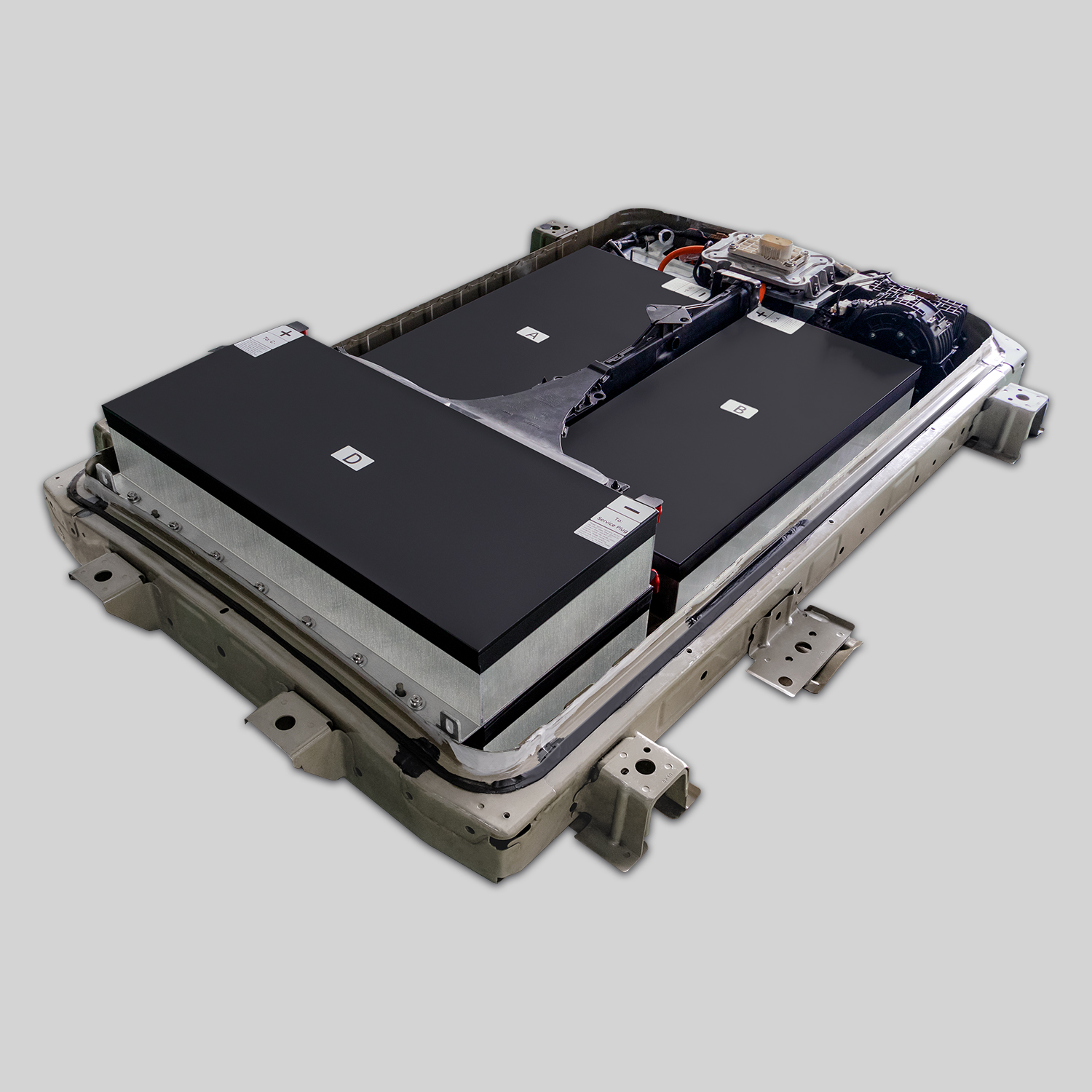
Unlike retrofitting a 62kWh pack from a newer generation (which often requires complex modifications to the battery tray and cooling lines), a 30kWh pack designed for the ZE1 chassis fits perfectly.
- OEM Standards: A quality 30kWh pack uses the same voltage architecture as the original, meaning no modifications to the car’s Battery Management System (BMS) or motor controller are needed.
- Plug-and-Play: It utilizes the existing connectors and mounting points, ensuring a safe and straightforward installation.
Why Quality Matters: The Core of the Upgrade
You cannot achieve this value boost with just any battery. The 30kWh upgrade only works if the new pack is built to last. At CNS Battery, we see countless cases where owners try to save money on “budget” batteries, only to have them fail within a year, destroying the car’s value again.
1. Cell Selection is Everything
The heart of the 30kWh pack is the cell chemistry. To ensure the longevity required to maintain resale value, the pack must use Grade-A Lithium-Ion cells.
- Avoid: Recycled cells or NMC blends with poor thermal management.
- Demand: New, high-density cells from Tier-1 manufacturers (such as CATL technology). These cells have a proven cycle life exceeding 3,000 cycles, meaning your investment will last for over 10 years.
2. The BMS: Your Safety Net
A high-capacity pack is useless without a robust Battery Management System (BMS). For the ZE1 upgrade, the BMS must be specifically calibrated to the ZE1’s communication protocols. This ensures that the car’s dashboard accurately reports the State of Charge (SOC) and prevents over-discharging, which is critical for maintaining the car’s health for future buyers.
3. Warranty: Proof of Confidence
A battery that boosts resale value must come with a warranty that matches the investment. A standard 2-year / 80,000 km warranty is the industry benchmark for a reason. It signals to future buyers that the seller stands behind the product, making the car much easier to sell.
The Upgrade Process: From Junk to Jewel
Transforming your ZE1 isn’t just a mechanical process; it is a restoration. Here is how the process should look with a professional partner:
- The Assessment: A technician checks the ZE1’s chassis, suspension, and existing wiring harness. If the car is mechanically sound, the upgrade path is clear.
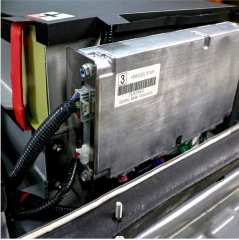
- The Swap: The old, degraded 24kWh modules are removed. The new 30kWh pack is installed. Because it is a direct fit, this process usually takes a professional shop less than 2 hours.
- The Calibration: The BMS is programmed to communicate seamlessly with the ZE1’s Vehicle Control Module (VCM). This step is crucial—without proper coding, the car might throw errors, ruining the value proposition.
- The Test Drive: The final step is a full charge and discharge cycle to verify the new range and stability.
Frequently Asked Questions
Q: Can I install a 30kWh pack myself?
A: While the ZE1 battery is accessible, high-voltage work is dangerous. The 30kWh pack requires precise BMS coding to match the ZE1’s specific software version. We strongly recommend professional installation to avoid voiding the warranty or damaging the vehicle’s electronics.
Q: Will this upgrade affect my car’s original warranty (if any remains)?
A: Any battery replacement will void the original manufacturer’s battery warranty. However, since most ZE1s are out of warranty, you are replacing a failed component with a superior, warrantied product. A reputable supplier will provide a new warranty contract that covers the new 30kWh pack.
Q: Is 30kWh enough for long trips?
A: The 30kWh pack is designed for urban commuting and reliability, not long-distance travel. It restores the car to its original intended use—perfect for daily commutes under 50 miles. For longer trips, a Level 2 charger is recommended to top up during the day.
Q: How do I find a trustworthy 30kWh pack?
A: Look for suppliers who provide Cell Origin Certificates. Avoid suppliers who cannot name the specific cell manufacturer (e.g., “Brand New CATL Cells”). If they are vague about the chemistry, the pack will likely degrade quickly, negating the value boost.
Conclusion: Reclaiming Your Investment
Upgrading your Nissan Leaf ZE1 from a 24kWh to a 30kWh pack is not merely a repair; it is a strategic financial maneuver. It allows you to extract the remaining value from a durable car body that might otherwise be crushed.
By investing in a high-quality, high-capacity pack built with new, reliable cells and backed by a solid warranty, you restore the car’s dignity and its market value. You turn a liability into an asset.
Ready to restore your ZE1’s value?
Don’t let battery degradation force you into an expensive trade-in. Contact our technical experts now for a free customization quote and discover how a simple battery swap can double or triple your car’s resale potential.