Here is the SEO-optimized article tailored for Nissan e-NV200 owners in Australia, specifically focusing on winter survival strategies.
🥶 Winter Survival Guide: Maximizing Your Nissan e-NV200 40kWh Range in Australia
If you own a Nissan e-NV200 40kWh in Australia, winter can be a stressful time. While Australians might not face the extreme sub-zero temperatures of the Northern Hemisphere, the combination of cooler coastal mornings, increased heater usage, and shorter daylight hours can still cause your battery range to plummet by 15% to 25%.
As an expert in EV battery solutions, I understand the panic of range anxiety. The good news is that with the right strategies and a reliable battery, you can conquer the cold. This guide will walk you through how to protect your battery and ensure your e-NV200 remains a dependable workhorse during the chilly months.
📉 Why Does the Cold Affect Your 40kWh Battery?
Before we dive into the survival tips, it’s crucial to understand the “why.” Lithium-ion batteries, like the one in your e-NV200, rely on chemical reactions to release energy. When the temperature drops:
- Chemical Slowing: The electrolyte fluid thickens slightly, slowing down the ion movement. This reduces the battery’s ability to deliver peak power.
- Increased Resistance: Internal resistance increases, making it harder for the battery to charge and discharge efficiently.
- Cabin Heating: Unlike combustion engine cars that use waste heat, EVs must draw significant power from the battery to heat the cabin. This is the single biggest drain on your 40kWh range during winter.
🧣 Essential Winter Survival Strategies for e-NV200 Owners
Don’t let the cold weather limit your driving. Implement these practical tips to maximize your daily range:
1. Pre-Conditioning is Key
Never start your journey with a cold battery. Pre-conditioning (heating the battery while it’s still plugged in) is vital.
- How to do it: If your e-NV200 has the functionality (or via the NissanConnect app), schedule your charging to finish just before you leave. The car will warm the battery using grid power, not your precious charge.
- Benefit: You preserve your 40kWh capacity for driving, not warming up.
2. Master the Heater Settings
The heater is your battery’s biggest enemy in winter.
- Use the Seat Warmer: If equipped, use the heated seats instead of cranking up the cabin temperature. It uses far less energy.
- Eco Mode: Keep the heater on a moderate setting. Blasting hot air will drain your battery significantly faster than driving at high speeds.
3. Smooth Driving Techniques
Aggressive driving kills range, especially in the cold.
- Regenerative Braking: Use the highest regen setting available. It acts like an engine brake, recapturing energy and reducing wear on your physical brakes—perfect for stop-and-go city traffic common with the e-NV200.
- Anticipate Stops: Look ahead and coast to lights rather than accelerating and then braking hard.
4. Tire Pressure Maintenance
Cold air causes tire pressure to drop. Under-inflated tires create more rolling resistance.
- Action: Check your tire pressure weekly during winter and keep them inflated to the manufacturer’s recommended level (usually found on the driver’s door jamb).
⚡ The Ultimate Upgrade: Switching to a CNS Battery
While the tips above help, the most effective way to beat winter range anxiety is to start with more range. If you are still using the original factory battery, you are likely experiencing significant degradation. The original cells may have lost capacity, making the winter drop even more dramatic.
This is where CNS BATTERY provides the ultimate solution for Nissan e-NV200 owners.
Why Upgrade to a CNS 40kWh Battery?
At CNS, we don’t just sell batteries; we sell peace of mind for the cold season.
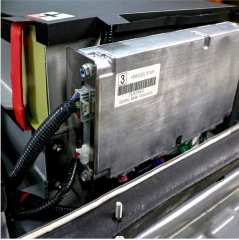
- Brand New CATL Cells: We utilize brand-new, top-tier battery cells from CATL (Contemporary Amperex Technology Co. Limited), the world’s leading lithium-ion battery manufacturer. Unlike recycled or refurbished packs that fail in the cold, our cells offer superior low-temperature performance and stability.
- Zero Degradation: Buying a new 40kWh lithium battery pack means you start with 100% health. You won’t be fighting against an already degraded battery when the temperature drops.
- Plug-and-Play Reliability: Our packs are engineered to OEM standards. There is no cutting, splicing, or complex coding required. It fits your e-NV200 perfectly, ensuring a seamless transition before winter hits.
The Cost-Effective Solution
Replacing an old battery with a new OEM unit can cost a fortune. A CNS BATTERY offers the same factory-grade quality and safety but at a fraction of the price—often saving you over 50% compared to the original manufacturer.
Expert Tip: If you are looking for even more winter confidence, consider upgrading to a higher capacity pack (like 50kWh or 62kWh) if your vehicle model supports it. More capacity means more energy to spare for heating.
📋 Winter Survival Checklist
To ensure you are ready for the coldest months, use this quick reference guide:
| Strategy | Action Item | Impact on Range |
|---|---|---|
| Pre-Trip | Pre-heat battery while plugged in | High (Saves 5-10%) |
| Driving | Use maximum regenerative braking | Medium (Recaptures energy) |
| Comfort | Wear a jumper, use seat warmer | High (Reduces heater drain) |
| Hardware | Upgrade to new CNS 40kWh pack | Very High (Restores full capacity) |
| Tires | Check PSI weekly | Low (Prevents unnecessary loss) |
❄️ Frequently Asked Questions (FAQ)
Q1: How much range will my Nissan e-NV200 40kWh lose in winter?
Most owners experience a 15% to 25% reduction in range. If your rated range is 200km, expect approximately 150km to 170km in cold, wet conditions, especially if you are using the heater frequently. Upgrading to a new CNS 40kWh lithium battery pack ensures you get the maximum possible range out of that 40kWh capacity.
Q2: Is it bad to charge my e-NV200 in the cold?
Charging below 0°C can be harmful to lithium-ion batteries, causing lithium plating which damages the cells. However, modern EVs (and our CNS batteries) have Battery Management Systems (BMS) that will either heat the battery or slow charge rates automatically. Do not attempt to fast charge a frozen battery. For home charging in cool weather, it is perfectly safe.
Q3: Should I keep my e-NV200 plugged in during winter?
Yes. Keeping your car plugged in allows the thermal management system to maintain the battery at an optimal temperature. If you plan to drive soon, the battery will already be warm, maximizing your efficiency from the first kilometer.
Q4: How do I know if my battery needs replacing before winter?
If your battery gauge shows significantly less range than it used to, or if you are losing more than 30% of your capacity even in summer, it is likely degraded. Old batteries struggle immensely in the cold. The best indicator is the “bars” of charge—if you are losing bars quickly when the heater is on, it is time for a new battery module.
🛠️ Ready to Conquer the Cold?
Don’t let winter turn your reliable Nissan e-NV200 into a garage ornament. Whether you need expert advice on winter driving or are considering upgrading to a high-performance, cold-weather-ready 40kWh lithium battery pack, the CNS team is here to help.
We specialize in providing Original Equipment Manufacturer (OEM) compatible solutions that save you money while delivering ultimate safety and longevity.
Get Your Custom Quote Now and Secure Your Winter Range: Contact CNS Battery Experts