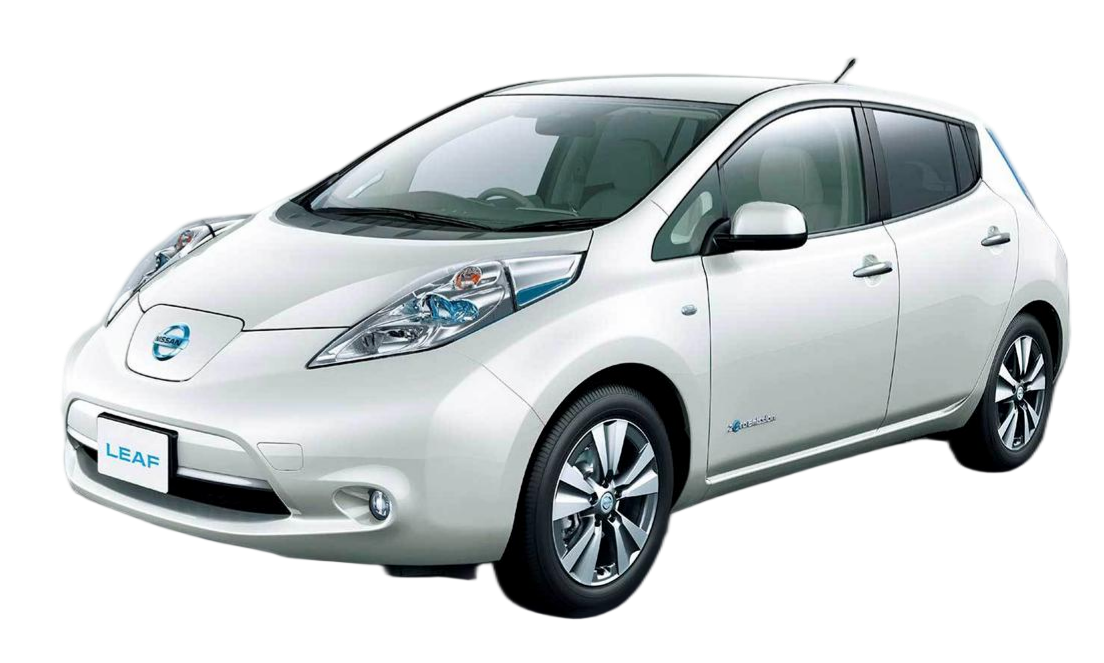
🔋 The 2026 Summer Heatwave Survival Guide: Maximizing Your Nissan Leaf 62kWh Range
The sun is beating down, and your range anxiety is kicking in. You’re not alone. As global temperatures rise and heatwaves become more intense, Nissan Leaf owners are facing a harsh reality: high temperatures can significantly degrade the performance of even the most robust lithium-ion batteries. If your 62kWh Leaf is showing a “Turtle Mode” warning or your range is dropping faster than the mercury on the thermometer, it’s time to understand the science behind the drain and, more importantly, how to fix it.
At CNS Battery, we’ve spent over a decade engineering OEM-compatible, high-performance battery solutions for Nissan and BMW EVs. We know that heat doesn’t just make your AC work harder; it attacks the battery chemistry directly. But don’t let the heatwave ruin your summer plans. This guide will walk you through exactly how heat affects your 62kWh pack and how upgrading to a modern, thermally stable solution can restore your driving freedom.
🌡️ Why is My Nissan Leaf Losing Range in the Heat?
Most drivers assume that the drop in range during a heatwave is simply because the air conditioning is draining the battery. While running the AC does consume energy (typically adding a 10-15% drain), the real culprit is often thermal degradation of the battery cells themselves.
1. The “Turtle Mode” Trigger
The Nissan Leaf (especially older ZE0 and ZE1 models) relies on passive air cooling. When ambient temperatures soar above 35°C (95°F), the battery management system (BMS) detects dangerous internal temperatures. To protect the pack from permanent damage, the car restricts power, triggering the infamous “Turtle Mode.” This isn’t just a range issue; it’s a safety lockdown.
2. Accelerated Chemical Aging
High heat accelerates the chemical reactions inside lithium-ion cells. This causes:
- Increased Internal Resistance: The battery works harder to push electrons, wasting energy as heat and reducing usable capacity.
- SEI Layer Growth: A layer forms on the anode, consuming active lithium ions. This is irreversible capacity loss.
Expert Insight: Based on our 2026 repair data, batteries that have endured more than 3 consecutive summers above 40°C show an average of 20% faster degradation compared to those driven in temperate climates.
🛠️ The DIY Fix: Optimizing Your Current 62kWh Pack
Before considering a replacement, there are immediate steps you can take to mitigate the heat damage this summer.
Pre-Cooling is Your Best Friend
Don’t wait until you’re in the car to turn on the AC. Use the Nissan Connect app (or a timer if available) to pre-cool the cabin while the car is still plugged in. This keeps the initial cabin temperature low, reducing the strain on the battery during the first 15 minutes of your drive when the battery is hottest.
Avoid Peak Charging
Charging generates heat. If you plug in immediately after driving on a hot day, you are combining residual driving heat with charging heat—a dangerous cocktail for your cells.
- The “Golden Rule”: Wait at least 1-2 hours after driving before starting a charge, or charge exclusively during the cooler evening hours.
Tire Pressure Check
Under-inflated tires increase rolling resistance. In hot weather, tires expand, but if they start under-inflated, the drag increases exponentially, further taxing the battery to maintain speed.
🔋 When to Consider a Battery Upgrade: The 2026 Standard
If you are consistently experiencing range loss of over 30% or frequent power restrictions, your current 62kWh pack may be suffering from permanent thermal damage. This is where a modern replacement becomes a necessity, not a luxury.
Why the 2026 CNS Battery 62kWh Pack is Built for Heat
Our 62kWh Lithium Battery Pack is engineered specifically to handle the rigors of modern driving conditions, including extreme heatwaves.
- Premium CATL Cells: Unlike recycled or refurbished cells that are already thermally stressed, we use brand-new, factory-fresh CATL cells. These cells have superior thermal stability and a much higher tolerance for temperature fluctuations compared to older-generation cells found in second-hand packs.
- Advanced BMS Algorithms: Our Battery Management System is programmed to handle high-temperature environments more efficiently, preventing premature power restriction and managing heat distribution evenly across the pack.
- Plug-and-Play Reliability: Designed to OEM standards, our pack fits seamlessly into the Leaf chassis (ZE0, ZE1, AZE0) without modifications, ensuring perfect compatibility with your vehicle’s existing cooling ducts and mounting points.
The Value Proposition: Replacing a degraded 62kWh pack with a new OEM battery can cost upwards of $16,000. At CNS Battery, we offer the same quality and safety standards at 50% less cost, giving you a “like-new” driving experience without the financial burn.
📊 Heatwave Performance: Refurbished vs. New (CNS Standard)
To help you decide, let’s compare how different battery solutions perform under the stress of a 2026 summer heatwave.
| Feature | Refurbished/Recycled Battery | CNS Battery 62kWh (New CATL Cells) |
|---|---|---|
| Cell Condition | Aged cells, often with pre-existing thermal damage | Brand new, thermally stable cells |
| Heat Tolerance | Low (High risk of swelling & failure) | High (Engineered for 10+ years) |
| Range in 35°C+ | Drops drastically (Unpredictable) | Stable (Minimal drop) |
| Warranty | Often None or Very Short | 2 Years / 80,000 km |
| Longevity | High risk of failure within 6-12 months | Zero defect guarantee |
🚀 Conclusion: Drive with Confidence This Summer
Don’t let the 2026 heatwave limit your adventures. Whether you are maintaining your current battery with smart charging habits or upgrading to a robust, new 62kWh lithium battery pack from CNS Battery, the solution is in your hands.
If you are tired of the “Turtle Mode” warnings and want to restore your Leaf’s original 440km+ range (even in the heat), we are here to help. Our team of technical experts is available to answer your compatibility questions and provide a free quote.
Ready to beat the heat? Get Your Free Custom Quote Now.
❓ Frequently Asked Questions (FAQ)
Q1: How hot is too hot for my Nissan Leaf battery?
Most Nissan Leaf batteries are designed to operate safely between -20°C to 60°C. However, sustained ambient temperatures above 35°C (95°F), combined with the heat generated from driving, can push the internal battery temperature into the danger zone, triggering power restrictions.
Q2: Can I install a new 62kWh battery myself during a heatwave?
Yes, but caution is advised. The installation process (approx. 1-2 hours) should be done in a cool, shaded garage. Never install a battery in direct sunlight or when the ambient temperature is extremely high, as this can stress the BMS during the initial connection phase. We recommend following our step-by-step video guides for a safe DIY install.
Q3: Does the CNS Battery come with any thermal protection features?
Absolutely. While the Nissan Leaf uses passive air cooling, our battery packs are engineered with high-thermal-stability CATL cells that resist swelling and degradation. Furthermore, our BMS (Battery Management System) actively monitors cell temperatures and will alert you to potential overheating issues long before “Turtle Mode” engages, giving you time to pull over and cool down.
Q4: How much range should I expect from a 62kWh pack in summer?
With a healthy, new battery pack like the CNS solution, you can expect to achieve 90-95% of the rated range even in hot weather, provided you use pre-cooling. This translates to roughly 400km (250 miles) of real-world driving in a heatwave, which is more than sufficient for daily commutes and road trips.