🧊 Surviving the Cold: How to Maintain Your Leaf AZE0 40kWh SOH in Freezing Temperatures
Winter is coming. For Nissan Leaf AZE0 owners in northern climates or high-altitude regions, this isn’t just a slogan—it’s a battery health alert. If you own a 40kWh Nissan Leaf AZE0 and are facing freezing temperatures, you know the panic: the dreaded “Turtle Mode,” the plummeting range, and the fear that your battery’s State of Health (SOH) is degrading faster than it should.
At CNS BATTERY, we specialize in high-performance lithium-ion solutions for Nissan and BMW models. We understand that cold weather is the nemesis of lithium-ion chemistry. However, with the right strategies, you can protect your investment and ensure your vehicle remains reliable all winter long.
🧠 Why Does the Cold Kill Your 40kWh Battery?
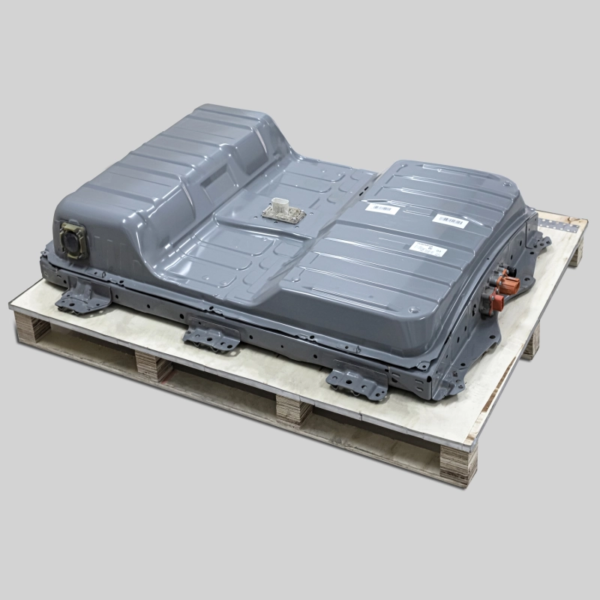
Before diving into the “how,” you need to understand the “why.” The Nissan Leaf AZE0 40kWh battery pack uses lithium-ion cells, which are chemical powerhouses. When temperatures drop below freezing (0°C / 32°F), the chemical reactions inside the battery slow down significantly.
- Increased Internal Resistance: Cold temperatures thicken the electrolyte fluid, making it harder for ions to move. This reduces the battery’s ability to accept a charge and deliver power.
- Range Anxiety is Real: You can expect a 20-30% reduction in range in freezing conditions, even if your SOH is perfect.
- Charging Limitations: Most EVs, including the Leaf, restrict charging speeds in the cold to prevent lithium plating (a process that permanently damages cells).
⚙️ Essential Maintenance Strategies for the AZE0
Owning an electric vehicle in a cold climate requires a proactive approach. Here is how to maintain your Leaf AZE0 40kWh SOH when the mercury drops.
1. Pre-Conditioning is Your Best Friend
The most effective tool in your arsenal is pre-conditioning. This feature heats the battery while the car is still plugged in, using grid power instead of your precious battery charge.
- Timing is Everything: Use the NissanConnect app to start pre-conditioning 15-20 minutes before you plan to drive.
- Preserve Range: By the time you get in the car, the battery is warm and ready to deliver maximum power, and the cabin is cozy, saving your battery from having to heat the interior immediately.
2. The “80% Rule” for Winter Charging
While charging to 100% is generally safe, in freezing temperatures, we recommend a different strategy for daily use.
- Charge to 80-90%: Lithium-ion cells are more susceptible to stress at high voltages when cold. Keeping the charge between 20% and 80% reduces internal stress on the 40kWh pack.
- Save 100% for the Road: Only charge to 100% if you are about to embark on a long journey immediately after unplugging. This ensures the battery stays warm during the trip.
3. Parking Like a Pro
Where you park can make a difference of several percentage points in SOH retention over a winter season.
- Garage or Shade: Park in a garage whenever possible. If not, try to find a shaded area away from the wind.
- Avoid the Driveway: If your car sits stationary on a freezing driveway for days, the battery temperature can drop so low that it becomes impossible to charge without a specialized heater. Keep it plugged in even if you aren’t driving it.
⚡ Upgrading Your Winter Performance
If you find that your current 40kWh battery simply doesn’t cut it during harsh winters—especially with the range loss—you might be considering an upgrade. Many of our customers in cold climates have found that switching to a higher-capacity pack solves the “winter range anxiety” problem.
CNS BATTERY offers a range of solutions for the Nissan Leaf AZE0, including upgrades to 50kWh and 62kWh lithium battery packs.
Why Upgrade for Winter?
A larger battery pack, such as the 62kWh lithium battery pack, provides a crucial buffer. Even if you lose 30% of your range to the cold, you still start with significantly more miles than a standard 40kWh pack. This means you can maintain your daily routine without worrying about finding a charger.
Our packs are built with brand-new CATL cells, which are known for their superior thermal management and performance in a wide range of temperatures compared to older or refurbished cells.
🛠️ DIY Winter Check: What to Look For
Before the first snow falls, perform this quick check on your Leaf AZE0:
- Check the Coolant: The thermal management system relies on coolant. Ensure the levels are correct to help regulate battery temperature.
- Inspect the 12V Battery: A weak 12V battery can prevent the high-voltage system from waking up in the cold. Replace it if it is over 3 years old.
- Tire Pressure: Cold air lowers tire pressure. Under-inflated tires increase rolling resistance, draining your battery faster.
📝 Summary Table: Winter Maintenance Checklist
| Action | Frequency | Benefit |
|---|---|---|
| Pre-conditioning | Every Drive | Heats battery & cabin using grid power |
| Charge to 80% | Daily Use | Reduces stress on 40kWh cells in cold |
| Keep Plugged In | When Parked | Maintains battery temperature |
| Use Cabin Heater Sparingly | While Driving | Preserves range; use heated seats instead |
💡 Conclusion: Trust Your Battery to the Experts
Maintaining your Nissan Leaf AZE0 40kWh during freezing temperatures is all about managing energy and heat. By following these steps, you can significantly slow down the degradation of your battery’s SOH and enjoy reliable performance all winter.
However, if you are facing severe degradation or simply need more range to brave the cold, CNS BATTERY is here to help. We are a leading manufacturer of high-performance lithium-ion power batteries, specializing in OEM-compatible solutions for Nissan and BMW.
Don’t let the cold weather limit your driving. Whether you need maintenance tips, a compatibility assessment, or want to explore upgrading to a higher-capacity battery, our team of experts is ready to assist you.
👉 Get a Free Custom Quote for Your Nissan Leaf Battery Solution Today
❓ Frequently Asked Questions (FAQ)
Q1: Can I charge my Leaf AZE0 in sub-zero temperatures?
A: Yes, you can, but it is not recommended to charge to 100% and then leave the car unattended in the cold. If the battery is below freezing, the car will usually use energy to warm the pack before charging begins. If you must charge in extreme cold, keep the State of Charge (SOC) between 20% and 80%.
Q2: My Leaf won’t accept a charge in the cold. What should I do?
A: This is often because the battery temperature is too low. Try plugging in the car and turning on the climate control (heater) for 30-60 minutes. This uses the grid power to warm the battery pack. If it still doesn’t charge, the thermal management system might need servicing.
Q3: Is it better to use the seat heater or the cabin heater in winter?
A: The seat heater is significantly more energy-efficient. It uses less than 300 watts, whereas the cabin heater (PTC) can use over 4,000 watts. For maximum range preservation, use the seat heater and wear a warm jacket.
Q4: How does a CNS BATTERY compare to a second-hand Nissan battery in cold weather?
A: CNS BATTERIES use brand-new, high-grade cells (such as CATL) with superior thermal characteristics. Second-hand batteries are already degraded and often have weakened thermal management systems, making them far more susceptible to failure and poor performance in freezing temperatures.
Q5: What if I need a new battery specifically for a cold climate?
A: We recommend contacting our technical experts. We can customize a solution, such as upgrading from a 40kWh to a 62kWh lithium battery pack, which provides the extra capacity needed to offset winter range loss. We offer free compatibility checks to ensure a perfect fit for your vehicle.