
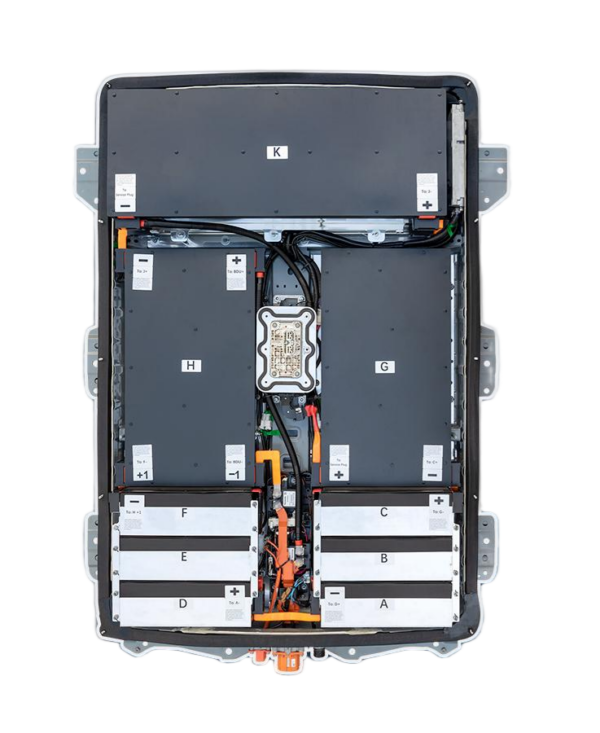
The Ultimate Leaf ZE0 LFP vs NCM Guide for 2026
As an EV owner, you know the struggle. Your trusty Nissan Leaf ZE0 has served you well, but now you’re staring at the dreaded battery degradation. The range is shrinking, and the price tag for a new factory battery is enough to make anyone consider selling the car.
But wait—before you make that decision, let’s talk about the 2026 aftermarket landscape. You don’t need to break the bank to get your car back on the road with a full charge.
At CNS Battery, we’ve spent over a decade perfecting the art of EV powertrains. We’ve seen the market shift, and in 2026, the choice isn’t just between “expensive OEM” and “risky used.” The real debate is Lithium Iron Phosphate (LFP) versus Nickel Cobalt Manganese (NCM).
This guide is designed to cut through the marketing jargon. We’ll help you understand which chemistry is best for your Leaf ZE0 in 2026, ensuring you make a choice that maximizes range, lifespan, and value.
Why 2026 is the Best Year to Upgrade Your Leaf ZE0
If you’re looking at a Leaf ZE0 (2011-2015), the original 24kWh or 30kWh battery packs are likely on their last legs. The good news? The technology available to you today is lightyears ahead of what Nissan offered a decade ago.
The core question now is: Do you want the safety and longevity of LFP, or the high energy density of NCM?
Here at CNS, we manufacture both to OEM standards. We don’t just drop cells into a box; we engineer complete battery management systems (BMS) that communicate seamlessly with your Leaf’s dashboard. Whether you choose LFP or NCM, you’re getting a plug-and-play solution that fits your existing chassis without modifications.
🔋 Chemistry Breakdown: LFP vs NCM
To make the right choice, you need to understand what’s inside the battery casing.
Lithium Iron Phosphate (LFP): The “Tank”
LFP chemistry has exploded in popularity, and for good reason. If you live in a region with extreme temperatures or prioritize safety above all else, this is your champion.
- Safety First: LFP batteries are incredibly stable. They are much less prone to thermal runaway (overheating) compared to NCM.
- The Longevity King: We’re talking about a cycle life that can exceed 3000-5000 cycles. This means your 2026 upgrade could realistically last you for decades.
- Cost-Effective: Without the expensive cobalt and nickel, LFP packs are generally cheaper to produce, saving you money upfront.
Nickel Cobalt Manganese (NCM): The “Sprinter”
NCM is the traditional chemistry used in most premium EVs. If you want the absolute maximum range in the smallest package, NCM is the answer.
- Energy Density: NCM packs pack more kWh into the same physical space. For the Leaf ZE0, this allows us to fit high-capacity modules (like 40kWh or 62kWh equivalents) into the original chassis.
- Performance: NCM typically offers a slightly higher voltage window, which can translate to better performance in cold weather (though both types require heating in extreme cold).
- The Trade-off: While still very safe, NCM requires a more sophisticated BMS to manage heat, and the cycle life is generally lower than LFP (though still excellent at 1000-2000 cycles).
⚔️ The Head-to-Head Comparison
Let’s put these two titans side by side to see which one fits your 2026 Leaf ZE0 upgrade.
| Feature | LFP (Lithium Iron Phosphate) | NCM (Nickel Cobalt Manganese) |
|---|---|---|
| Energy Density | Lower (Heavier for the same kWh) | Higher (Lighter, more compact) |
| Cycle Life | 3000-5000+ cycles (Longest lifespan) | 1000-2000 cycles (Still very long) |
| Safety | Excellent (Thermally stable) | Good (Requires robust BMS) |
| Cold Weather | Voltage drops more in freezing temps | Performs slightly better in cold |
| Cost | Generally Lower | Generally Higher |
🛠️ Which One Should You Choose for Your ZE0?
Choosing between LFP and NCM isn’t about which is “better” universally; it’s about which is better for you.
Choose LFP if…
- You prioritize safety and peace of mind. If the thought of a battery fire keeps you up at night, LFP is the safest chemistry on the market.
- You want it to last forever. If you plan to keep this car for another 10+ years, the cycle life of LFP is unbeatable.
- You live in a hot climate. LFP handles high temperatures better than NCM.
Choose NCM if…
- You want maximum range. If you frequently take long road trips and need every mile of range you can get, the higher energy density of NCM (like our 62kWh modules) is essential.
- You have weight concerns. While the ZE0 chassis is robust, NCM is lighter, which can slightly improve handling and efficiency.
- You drive in very cold climates. NCM generally holds its voltage better in sub-zero temperatures, though both require pre-heating for charging.
🚀 The CNS Battery Advantage
You might be wondering, “Why choose CNS Battery over others in 2026?”
First, let’s address the elephant in the room: Price. Replacing your Leaf ZE0 battery with an OEM unit can cost upwards of $12,000 to $16,000. At CNS, we offer brand-new, factory-grade solutions for 50% less than the OEM price.
But it’s not just about the price. It’s about the technology.
- Plug-and-Play Engineering: We don’t make you modify your car. Our batteries are designed to fit the ZE0 chassis perfectly. The connectors match, the cooling lines fit, and the BMS communicates directly with your Nissan’s CAN bus.
- CATL Grade Cells: We source our cells from top-tier manufacturers (like CATL) to ensure the same quality you’d expect from the factory.
- Warranty You Can Trust: We back our work with a 2-year / 80,000 km warranty. This is significantly longer than most aftermarket suppliers offer, proving our confidence in the product.
Real User Experience: Mark T. from California upgraded his 2015 ZE0 from 30kWh to a 62kWh pack. “Replacing it with an original manufacturer battery would cost $16,000, which was ridiculous!… I chose a 62kWh battery from CNS, which cost only $7,800… Now, the full charge range is 430km… I’ve been using it for almost a year, and the battery capacity is still at 11 out of 12 bars.”
📝 Your 2026 Action Plan
Don’t let a degraded battery kill your Leaf ZE0’s spirit. In 2026, you have the power to choose between the rugged reliability of LFP and the high-performance density of NCM.
Whether you decide to go for the safety of LFP or the range of NCM, CNS Battery is here to help. We offer free compatibility checks and personalized quotes to ensure you get the perfect fit for your vehicle.
Ready to get your Leaf back on the road?
👉 Get Your Free Custom Quote Now
❓ Frequently Asked Questions (FAQ)
1. Can I install the battery myself?
Yes, absolutely. Our batteries are designed for a “Plug-and-Play” experience. If you have basic mechanical skills and a friend to help, you can do it in about 2 hours. We provide detailed video tutorials and a comprehensive manual. However, if you prefer, we can help you find a local technician.
2. What is the warranty on your LFP and NCM batteries?
We offer the same industry-leading warranty for both chemistries: 2 Years or 80,000 km (whichever comes first). This covers manufacturing defects and ensures your battery maintains at least 70% capacity during the warranty period.
3. How much range can I expect after the upgrade?
It depends on the pack you choose. Upgrading from the original 24kWh to a 40kWh NCM pack can get you around 240km of range. Upgrading to a 62kWh pack (either NCM or LFP) can push that to over 400km on a full charge.
4. Do I need to modify my car’s software?
No modifications are needed to the car’s body or chassis. However, the Battery Management System (BMS) programming is handled during installation to ensure your dashboard accurately displays the new battery’s capacity and health. Our team provides full support for this process.


