Here is the SEO-optimized article tailored for Nissan Leaf owners, focusing on maintaining battery health during summer heat.
Beat the Heat: Essential Maintenance Guide for Your Leaf ZE0 68kWh Battery
Summer is here, and while the sun is shining, it can be a silent stressor for your Nissan Leaf ZE0’s 68kWh battery. High temperatures are the primary enemy of lithium-ion longevity. If you’re noticing a dip in your State of Health (SOH) or just want to protect your investment, you’ve come to the right place.
At CNS BATTERY, we don’t just manufacture high-performance replacement packs; we understand the science behind them. Our 68kWh modules, built with brand-new CATL cells, are engineered for durability. However, even the best hardware needs smart software (and driver) habits to thrive in the heat. In this guide, we’ll walk you through the exact steps to maintain your battery’s SOH during the scorching summer months.
🌡️ Why Summer is the Toughest Season for Your Leaf Battery
Before diving into the “how,” let’s understand the “why.” The 68kWh battery pack in your Leaf ZE0 operates on a delicate chemical balance. When ambient temperatures rise, so does the internal temperature of the cells.
- Accelerated Degradation: For every 8°C (15°F) increase in average temperature, the rate of chemical degradation inside the battery can double.
- Thermal Runaway Risk: While rare, extreme heat can push cells beyond their safety limits.
- BMS Strain: Your Battery Management System (BMS) works overtime in summer to keep cells balanced. If it can’t dissipate heat fast enough, your range suffers.
Unlike older Leaf models that relied on passive air cooling, maintaining a 68kWh pack requires active thermal management strategies to keep those CATL cells in their “Goldilocks zone.”
🛑 The “No-No” Zone: Charging Habits to Avoid in Summer
One of the most common mistakes Leaf owners make is charging immediately after a hot drive. Here is what you should never do when the mercury rises:
- Avoid Charging at Peak Heat: Never plug in your Leaf during the hottest part of the day (usually 11 AM – 3 PM). The battery is already warm from driving, and adding the heat generated by fast charging is a recipe for accelerated wear.
- Don’t DC Fast Charge Excessively: While our CNS batteries support fast charging, Direct Current (DC) charging generates significantly more heat than AC. In summer, prioritize AC charging whenever possible to keep temperatures low.
- Avoid 100% Top-Ups in Heat: Lithium-ion cells are under the most stress when they are fully charged. In summer, try to limit your State of Charge (SOC) to 80-85% unless you are planning a long road trip. This reduces internal pressure and heat retention.
🌿 The “Green Zone”: 3 Proven Cooling Strategies
To maintain your 68kWh battery’s SOH, you need to mimic the ideal operating environment. Here are our top three cooling strategies used by professional fleet managers:
1. The “Cool Down” Window Trick
If you don’t have access to a garage, this is your next best option. After parking, crack your windows slightly (or use a sunroof vent) to allow hot air to escape from the cabin. Since the battery sits under the floor, cooling the cabin air helps draw heat away from the battery tunnel. Pro Tip: Park in the shade whenever possible, even if it’s just under a tree.
2. Strategic “Pre-Conditioning”
Most Nissan Leaf models allow you to precondition the battery via the app. Do this while the car is still plugged in. If you know you’re leaving during a heatwave, start the cabin cooling 10 minutes before you unplug. This uses grid power to cool the thermal system, not your precious battery juice.
3. The “Night Charge” Routine
Make it a habit to charge your Leaf exclusively at night. Nighttime temperatures are lower, which means:
- The air entering the battery compartment is cooler.
- The BMS doesn’t have to fight ambient heat while managing the charge current.
- Your battery settles at a lower temperature for the next morning’s drive.
🛠️ When Maintenance is Needed: The CNS BATTERY Advantage
Even with perfect summer care, batteries degrade over time. If you are reading this because your current battery’s SOH has dropped significantly due to years of summer heat, it might be time to consider a replacement.
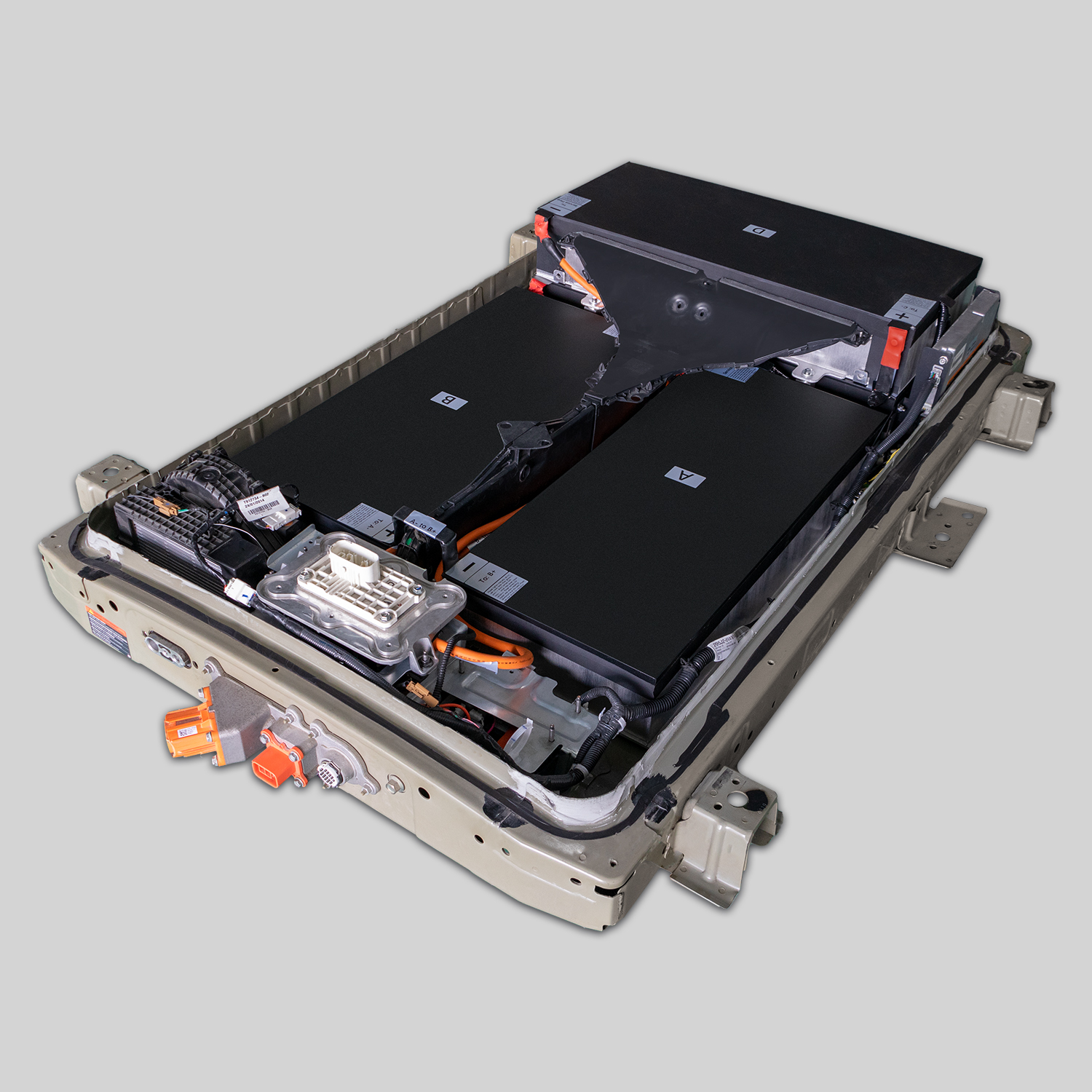
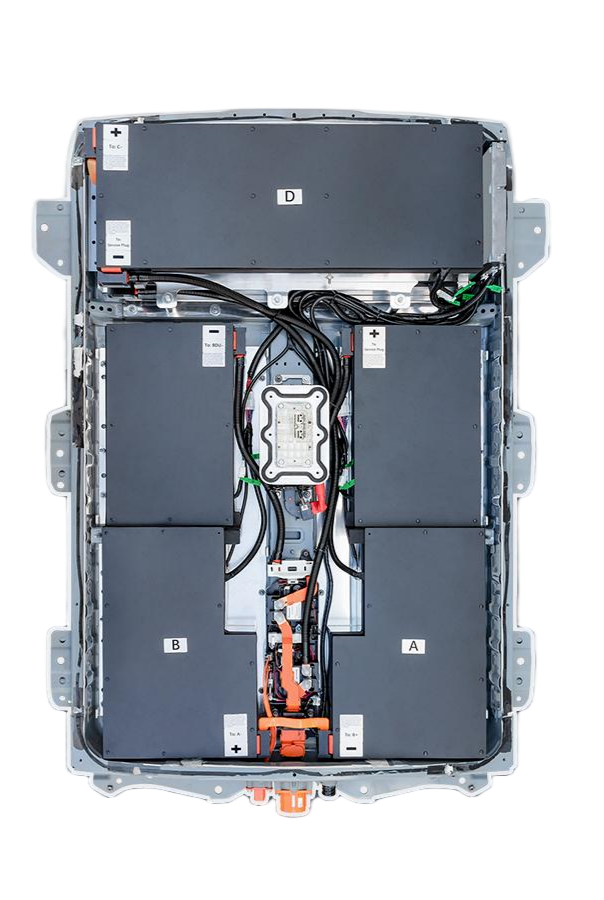
This is where CNS BATTERY stands apart from the competition. We don’t sell refurbished or second-hand junk. We specialize in brand-new, OEM-compatible battery packs specifically designed for Nissan Leafs (including the ZE0 chassis code).
Here is why our customers trust us with their EV revival:
- Grade-A Cells Only: We use brand-new CATL lithium cells. Unlike recycled cells from salvage yards, ours have zero prior mileage and are built to last.
- Precision Engineering: Our 68kWh packs are engineered to fit your Leaf ZE0 perfectly, maintaining the original safety standards and BMS communication.
- Unbeatable Warranty: We back our quality with a 2-year / 80,000 km warranty. This is significantly longer than most aftermarket suppliers offer, proving our confidence in the product.
- Cost Efficiency: Why pay the Nissan dealership $16,000+? Our solutions offer the same safety and performance at roughly 50% of the cost.
💡 Real-World Experience: A Case Study
Take Javier R. from Paris, for example. He drove a 2014 Leaf ZE0 that suffered from severe range anxiety due to summer degradation. After replacing his old pack with a CNS 68kWh unit, he saw an immediate transformation.
“The original battery had degraded to only 80km of range. After replacing it with a CNS 68kWh battery, the full charge now provides 470km of range, and even in cold winter conditions, it maintains around 400km…”
Javier also noted the ease of installation, thanks to our detailed video tutorials and the fact that our batteries are designed for a plug-and-play experience.
📝 Summary Checklist: Summer Maintenance Mode
To keep your Nissan Leaf ZE0 68kWh battery healthy this summer, bookmark this checklist:
- Park in Shade: Always, if possible.
- Charge at Night: Avoid daytime charging.
- Limit DC Fast Charging: Use AC mode for daily top-ups.
- Avoid 100%: Keep the charge between 20% and 85% in hot weather.
- Precondition: Use the app to cool the cabin while plugged in.
By following these simple steps, you can significantly slow down the aging process of your battery. Remember, a cool battery is a happy battery.
❓ Frequently Asked Questions (FAQ)
Q1: Can I use a Leaf 68kWh battery in hot climates like Arizona or Australia?
Yes, absolutely. However, in extreme climates, it is even more critical to follow the “Night Charge” routine. Avoid leaving the car parked in direct sunlight for days. If your Leaf has the CHAdeMO port, ensure it is covered to prevent dust and heat ingress.
Q2: How do I know if my battery needs replacing or just maintenance?
If you are experiencing “Thermal Throttling” (the car limits power to cool down) frequently, or if your range has dropped below 60% SOH despite proper maintenance, it is likely time for a new pack. Our technical experts can assess your VIN and current battery status for free.
Q3: Are CNS batteries compatible with all Leaf models?
We specialize in Nissan Leafs, including the ZE0, AZE0, and ZE1 models. Our 68kWh upgrade is particularly popular for ZE0 and ZE1 owners looking to double their range. We guarantee compatibility or your money back.
Q4: What is the warranty on a 68kWh replacement battery?
We offer a standard 2-year / 80,000 km warranty on all our automotive batteries. This covers defects in materials and workmanship, ensuring you are protected against any manufacturing faults.
Ready to Revive Your Leaf?
Don’t let summer heat kill your range. If you need a reliable, brand-new 68kWh battery solution or just some technical advice, Contact our technical experts now for customization. We are here to help you get back on the road with confidence.