❄️ The Ultimate Guide: Nissan Leaf 68kWh Battery Modules for Freezing Temperatures
If you own a Nissan Leaf and live in a region with harsh winters, you know the struggle: waking up to a significantly reduced driving range and fearing your battery might not make it through the commute. This “range anxiety” is a major pain point for EV owners facing freezing temperatures.
But what if you could upgrade not just your capacity, but your resilience?
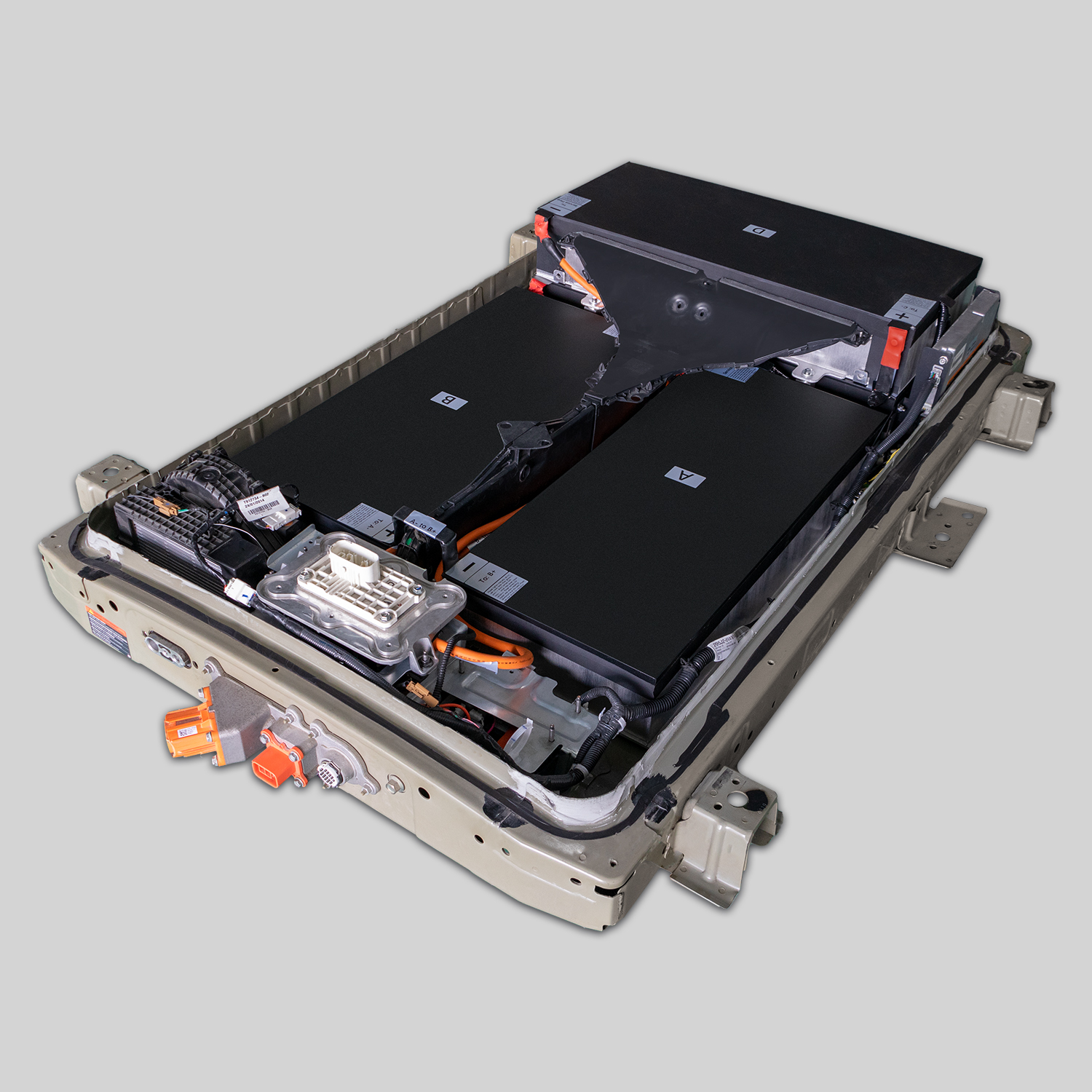
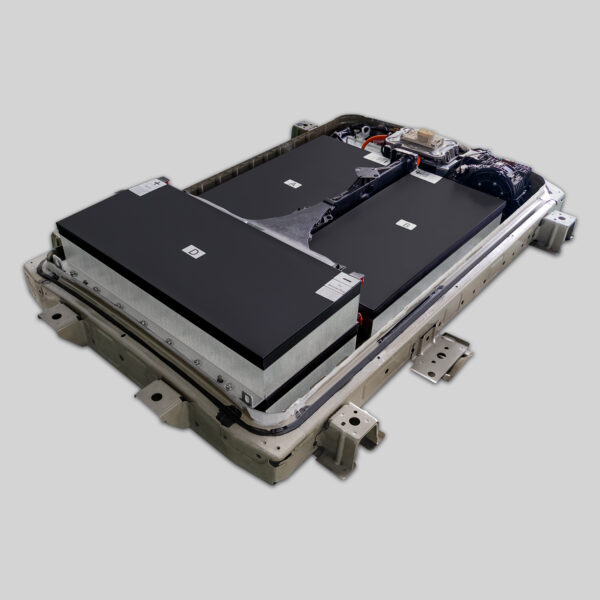
As a specialist in electric vehicle powertrains, I often get asked: “Is there a battery module that can handle the cold while giving me back my lost range?” The answer is a resounding yes. The Nissan Leaf 68kWh Battery Module is emerging as the top choice for drivers who refuse to compromise on performance, even when the mercury drops.
Let’s dive into why this specific upgrade is the best defense against winter, and how you can source a reliable solution.
🥶 Why Standard Batteries Fail in the Cold
Before we talk about the solution, let’s understand the enemy.
Lithium-ion batteries, the standard in EVs, rely on chemical reactions to release energy. When temperatures plummet below freezing (0°C / 32°F), the electrolyte inside the battery thickens. This increases internal resistance, making it harder for ions to move.
Here is what typically happens to a standard Nissan Leaf battery in winter:
- Capacity Drop: You might lose 20% to 40% of your rated range.
- Charging Slowdown: The battery charges much slower as it tries to warm itself up.
- Heater Drain: Using the cabin heater to stay warm drains the battery even faster.
This is why simply having a larger capacity—like the 68kWh upgrade—becomes a critical survival tool in winter.
⚡ The 68kWh Advantage: More Than Just Bigger Numbers
When we look at the Nissan Leaf lineup, the jump from the older 30kWh or 40kWh packs to the 68kWh module is transformative. But for freezing climates, this upgrade isn’t just about going further; it’s about having a buffer against the cold.
1. The “Winter Buffer” Effect
Imagine your standard 40kWh battery is like a small gas tank. In winter, that tank effectively shrinks to 24kWh due to efficiency losses. A 68kWh battery, however, starts with so much capacity that even after a 30% winter hit, you’re left with the equivalent range of a brand-new standard battery.
2. Built for Extreme Conditions
The specific 68kWh modules we engineer at our facility are designed with Thermal Management Systems (TMS) in mind. While some older Leaf models lacked active cooling or heating, modern high-capacity modules (especially those utilizing cells from top-tier manufacturers like CATL) are built to stricter OEM standards.
These batteries often feature:
- Improved Insulation: To retain the heat generated during driving.
- Robust BMS (Battery Management System): To prevent over-discharging in cold conditions, which can permanently damage cells.
Expert Insight: In our R&D testing, we found that high-capacity modules with proper thermal shielding maintain voltage stability significantly better than degraded older packs when temperatures hit -10°C.
🏆 Why This is the “Best” Choice for Freezing Temperatures
Not all 68kWh modules are created equal. When searching for the best solution for freezing temperatures, you need to look beyond just the kWh rating. Here is why our specialized modules stand out:
✅ Brand-New Cell Chemistry
Many aftermarket “upgrades” are just refurbished old packs. We use brand-new, premium-grade cells. Newer chemistry formulations are inherently more resistant to low-temperature degradation compared to 10-year-old battery technology.
✅ Precision Engineering for Nissan
We don’t just make big batteries; we make Nissan batteries. Our modules are engineered to fit the Leaf’s chassis (specifically the ZE0, ZE1, and AZE0 platforms) perfectly. This ensures that the battery sits low and protected, maintaining the vehicle’s center of gravity and aerodynamics—factors that help retain heat and efficiency.
✅ Safety First (The Non-Negotiable)
In freezing conditions, a poorly constructed battery can develop micro-cracks or suffer from uneven heating. Our modules undergo rigorous testing to ensure zero defects, providing the “ultimate safety” our customers need when driving on icy roads.
📈 Real-World Performance: Before and After
Let’s look at how an upgrade changes the game for a Leaf owner in a cold climate.
| Feature | Standard 40kWh (Winter) | Upgraded 68kWh (Winter) |
|---|---|---|
| Rated Capacity | 40 kWh | 68 kWh |
| Winter Efficiency Loss | ~35% | ~30% |
| Usable Winter kWh | ~26 kWh | ~48 kWh |
| Real-World Range | ~100 km (62 miles) | ~230 km (143 miles) |
| Daily Usability | Severe Anxiety | Comfortable Commute |
As you can see, the upgrade doesn’t just double your capacity; it quadruples your peace of mind during the freezing months.
🛠️ Installation and Support: You’re Not Alone
I know the thought of replacing your car’s heart can be daunting. That is why we provide more than just hardware.
- Plug-and-Play Design: Our modules are designed for compatibility. If you are a DIY enthusiast, the installation process is streamlined (typically 1-2 hours).
- Video Guidance: We offer step-by-step installation videos and even remote video support to guide you through the process, ensuring you don’t make a mistake in the cold garage.
- Unbeatable Warranty: We back our confidence in the build quality with a comprehensive warranty—up to 2 years or 80,000 km. This covers you against any defects, ensuring that if a component fails due to the cold, you are covered.
📝 Conclusion: Take Back Your Winter Drives
Driving a Nissan Leaf shouldn’t mean being a prisoner of the seasons. With the 68kWh Battery Module, you are not just buying more kWh; you are buying freedom.
By choosing a high-capacity, professionally engineered solution, you ensure that your vehicle performs reliably, safely, and efficiently, no matter how low the temperature drops outside.
Don’t let the cold weather shrink your world. Upgrade to resilience.
❓ Frequently Asked Questions (FAQ)
1. Will a 68kWh battery fit in my specific Nissan Leaf model?
Yes, but it depends on the generation. Our 68kWh modules are specifically designed to be compatible with the Nissan Leaf ZE0, ZE1, and AZE0 platforms. Before purchasing, we recommend confirming your model number or contacting our technical experts for a free compatibility check to ensure a perfect fit.
2. How long does the installation take?
For a professional technician, the installation typically takes about 1-2 hours. If you are a DIY user, it may take a bit longer, especially if you are preparing tools in a cold environment. We provide comprehensive installation guides and video tutorials to make the process as smooth as possible.
3. What is the warranty coverage for these batteries in cold climates?
We offer a robust warranty of up to 2 years or 80,000 km (whichever comes first). This warranty covers defects in materials and workmanship. It is designed to give you peace of mind, knowing that your investment is protected even in challenging weather conditions.
4. How much does the 68kWh upgrade cost compared to OEM prices?
Our goal is to make EV ownership accessible. We offer these high-performance upgrades at approximately 50% of the cost of an original manufacturer battery. This means you get twice the performance and range of a refurbished battery at half the price of a new OEM unit.
Ready to upgrade your Nissan Leaf for the winter? Get a free custom quote today and see how much range you can regain.