
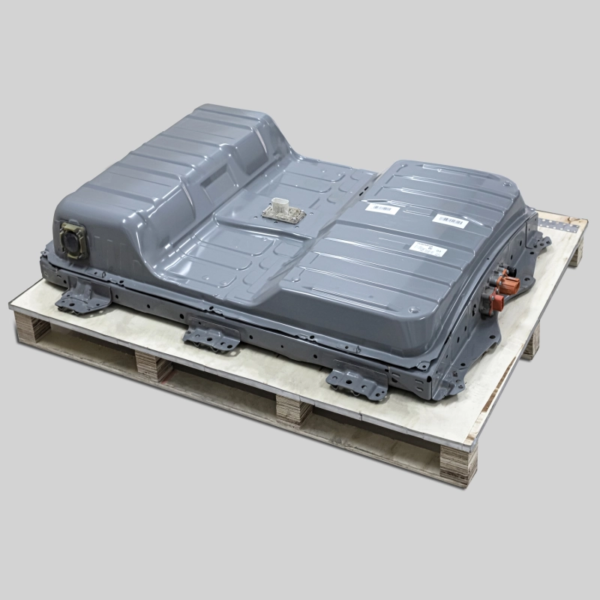
Maximizing Leaf ZE1 Fleet Efficiency for Last-Mile Delivery Fleets
For logistics managers and fleet owners in 2026, the Nissan Leaf ZE1 remains a surprisingly viable asset for last-mile delivery. However, the clock is ticking on the original batteries. As degradation hits, range anxiety isn’t just an inconvenience—it’s a direct hit to your operational efficiency and bottom line. You need a solution that restores performance without the prohibitive cost of OEM replacements.
As a technical expert at CNS BATTERY, I’ve worked with dozens of delivery fleets. The solution isn’t buying new electric vans; it’s re-powering your existing Leaf ZE1 fleet with high-capacity, cost-effective aftermarket battery packs.
The Operational Challenge: Degradation vs. Demand
The Nissan Leaf ZE1 (2011-2017) was a pioneer, but its original 24kWh or 30kWh batteries are now struggling. In a last-mile delivery context, this manifests as a critical problem:
- The “Second Charge” Trap: Drivers are forced to return to base mid-shift to recharge, cutting productive hours in half.
- Payload vs. Range: Heavier cargo loads accelerate battery drain, further shrinking the effective service radius.
- Downtime Costs: Waiting for slow-charging OEM batteries means vehicles are idle.
I recall a courier partner in Berlin who faced a 40% drop in daily delivery volume simply because his Leaf fleet couldn’t make the round trip to the suburbs. His dilemma is common: replace the vans (costing €30k+ each) or find a way to upgrade the heart of the vehicle—the battery.
The Upgrade Solution: Restoring Range and Profitability
The most effective strategy we see for 2026 fleet managers is upgrading the Leaf ZE1 to a modern 62kWh lithium battery pack. This isn’t just a patch; it’s a transformation.
Why a 62kWh Upgrade is the Fleet Manager’s “Sweet Spot”:
- Range Restoration: A brand-new 62kWh pack can restore the vehicle to a 400km+ (approx.) full charge range. This effectively doubles, or even triples, the daily operating radius compared to a degraded original battery.
- Cost Efficiency: Purchasing new electric delivery vans carries a massive capital expenditure (CapEx). Upgrading the battery on an existing Leaf ZE1 saves over 50% compared to OEM replacements and a staggering 70-80% compared to buying a new EV.
- Plug-and-Play Integration: At CNS, we engineer our packs to OEM standards. For the ZE1, this means the battery management system (BMS) and physical dimensions are designed for a direct swap. Your maintenance team won’t need specialized new tools—just the standard wrenches and diagnostic cables.
Real-World Case: A fleet in Texas upgraded five Leaf ZE1s to 62kWh CNS batteries. They reported that their average daily mileage per vehicle jumped from 80km (limited by the old battery) to over 300km. This allowed them to retire two gasoline shuttle trucks from their roster, saving on fuel and maintenance.
Operational Efficiency: Speed, Safety, and Uptime
For a last-mile delivery operation, “uptime” is the only metric that matters. Here is how a modern battery upgrade addresses the specific pain points of fleet logistics.
1. Faster Turnaround Times
While the original ZE1 was limited to slow AC charging, modern replacement packs often support higher charging efficiencies. Although the Leaf’s onboard charger is capped, a healthy 62kWh battery accepts charge more consistently. This means drivers can top up during lunch breaks or shift changes without the long waits associated with degraded cells.
2. Durability for Heavy Usage
Delivery vans are workhorses. They endure constant vibration, heavy payloads, and frequent stop-start cycles. Generic refurbished batteries often fail here. We utilize brand-new CATL cells in our packs. CATL is a global leader, and their cells offer the thermal stability and cycle life needed for commercial use. This isn’t a “cheap fix”; it’s a durable rebuild.
3. Warranty as a Safety Net
Fleets cannot afford unexpected breakdowns. This is why our confidence in the product is backed by a 24-month / 80,000km warranty. This covers manufacturing defects and performance degradation, ensuring that if a pack fails, your vehicle is back on the road quickly, not sitting in a repair shop.
The Economic Impact: ROI of Re-Powering
Let’s break down the math that matters to your finance team.
| Metric | OEM Replacement / New Van | Aftermarket 62kWh Upgrade (CNS) |
|---|---|---|
| Cost | $12,000 – $16,000+ | ~$7,800 |
| Range | Factory Standard | 400km+ (New Cell Performance) |
| Downtime | High (Long ordering/shipping) | Low (Plug-and-Play, Fast Installation) |
| Lifespan | Standard | 10+ Years / 2000+ Cycles |
By choosing the upgrade path, you are essentially buying a “new” electric powertrain for less than half the price. This capital saved can be redirected into route optimization software, hiring more drivers, or expanding your delivery zones.
Implementation: Getting Your Fleet Back on the Road
Switching your fleet doesn’t have to be a complex engineering project. Here is the streamlined process we recommend:
- VIN Compatibility Check: Before any purchase, submit your Vehicle Identification Number (VIN). We verify the exact specifications of your ZE1 to ensure the 62kWh pack fits perfectly, including the mounting brackets and connector types.
- Logistics Planning: We offer DDP (Delivered Duty Paid) services. For fleet managers, this means the batteries arrive at your depot door, cleared through customs, ready for installation.
- Installation: While professional installation is recommended, the process is straightforward. Disconnect the old pack (approx. 50 minutes), install the new pack, and run a system diagnostic. With our video support, even minor hiccups are resolved in minutes.
Why Choose CNS for Your Fleet Upgrade?
As a manufacturer specializing exclusively in Nissan and BMW powertrains, we don’t make “one-size-fits-all” batteries. Our expertise is deep in the Leaf ecosystem.
- Expert Technical Support: Our team provides remote video guidance. If your mechanic gets stuck on a wiring harness during the swap, we can guide them through it live via Zoom or WhatsApp.
- Quality Assurance: We don’t use recycled or degraded cells. Every cell in our 62kWh pack is a fresh, high-grade unit from a tier-1 supplier, rigorously tested for consistency.
Ready to eliminate range anxiety from your delivery routes?
Don’t let battery degradation limit your fleet’s potential. Contact our technical experts now for customization and get a free quote to upgrade your Nissan Leaf ZE1 fleet to 62kWh.
Frequently Asked Questions (FAQ)
1. Is the 62kWh battery a direct fit for the Nissan Leaf ZE1?
Yes. Our 62kWh battery packs are engineered to OEM specifications. This means the physical dimensions, mounting points, and connector interfaces are designed to match the ZE1 chassis perfectly. It is a “drop-in” replacement that does not require modifications to the vehicle body.
2. How long does the installation take for a fleet of vehicles?
For a professional technician, installing one battery typically takes 1-2 hours. The process involves disconnecting the high-voltage system, removing the old battery mounting brackets, installing the new pack, and reconnecting the cables. For fleet upgrades, we recommend having a dedicated technician team, and we can provide installation manuals and video tutorials to streamline the process.
3. Will this upgrade affect my vehicle’s warranty or software?
Our batteries are designed to communicate seamlessly with the Leaf’s Vehicle Control Unit (VCU). In most cases, the upgrade does not trigger error codes. We handle the BMS programming to ensure compatibility. However, it is always advisable to check your specific local vehicle registration regulations regarding aftermarket modifications, though the physical and electrical integration is designed to be plug-and-play.
4. What kind of range can I realistically expect with the 62kWh pack in a delivery scenario?
While official specs may claim higher numbers, in real-world delivery conditions (carrying cargo, using climate control), you can expect a reliable range of approximately 300km to 350km on a full charge. This is significantly more than the 80-120km you might be getting from a degraded original ZE1 battery, effectively allowing for a full day’s work without recharging.
5. What payment and shipping options are available for bulk fleet orders?
We support international sales and DDP (Delivered Duty Paid) services for bulk orders. This means we handle the logistics, customs clearance, and duties, delivering the batteries directly to your depot. We accept various payment methods, and our sales team can provide tailored quotes for fleet procurement managers.


