🚀 A Guide to e-NV200 Evalia Battery Replacement for Australia Repair Shops
As a repair shop owner or mechanic in Australia, you know that the Nissan e-NV200 Evalia is a workhorse for local businesses. However, as these vehicles age, battery degradation becomes a significant hurdle for your customers. Replacing an EV battery is a complex task, but with the right knowledge and parts, your shop can offer a cost-effective solution that saves the vehicle and delights the client.
This guide is designed specifically for Australian workshops. It covers the technical aspects of the replacement, the importance of choosing the right aftermarket battery, and how to ensure a seamless installation process.
🛠️ Why e-NV200 Owners in Australia Need Replacements
The Nissan e-NV200, known as the Evalia in some markets, originally came equipped with a 24 kWh or 30 kWh lithium-ion battery pack. After 8-10 years of service, these batteries often suffer from severe capacity loss, leaving vehicles stranded or unable to complete daily delivery routes.
For Australian owners, the cost of a brand-new OEM battery from a dealership is often prohibitively expensive—sometimes exceeding the value of the used vehicle itself. This is where your shop steps in. By offering a professional replacement service using high-quality aftermarket solutions, you bridge the gap between vehicle longevity and affordability.
📦 Selecting the Right Battery Pack for the Job
When sourcing a replacement battery, the primary decision is between remanufactured packs and new aftermarket packs.
The Remanufactured Route
This involves sourcing old battery packs, disassembling them, testing individual modules, and replacing only the faulty cells. While this can be cheaper, it carries risks:
- Inconsistent Quality: You are relying on the lifespan of unknown “second-life” cells.
- Higher Failure Rate: Mixing old and new cells can lead to imbalance and premature failure.
- Labor Intensive: The process requires specialized equipment to test every cell.
The New Aftermarket Solution (Recommended)
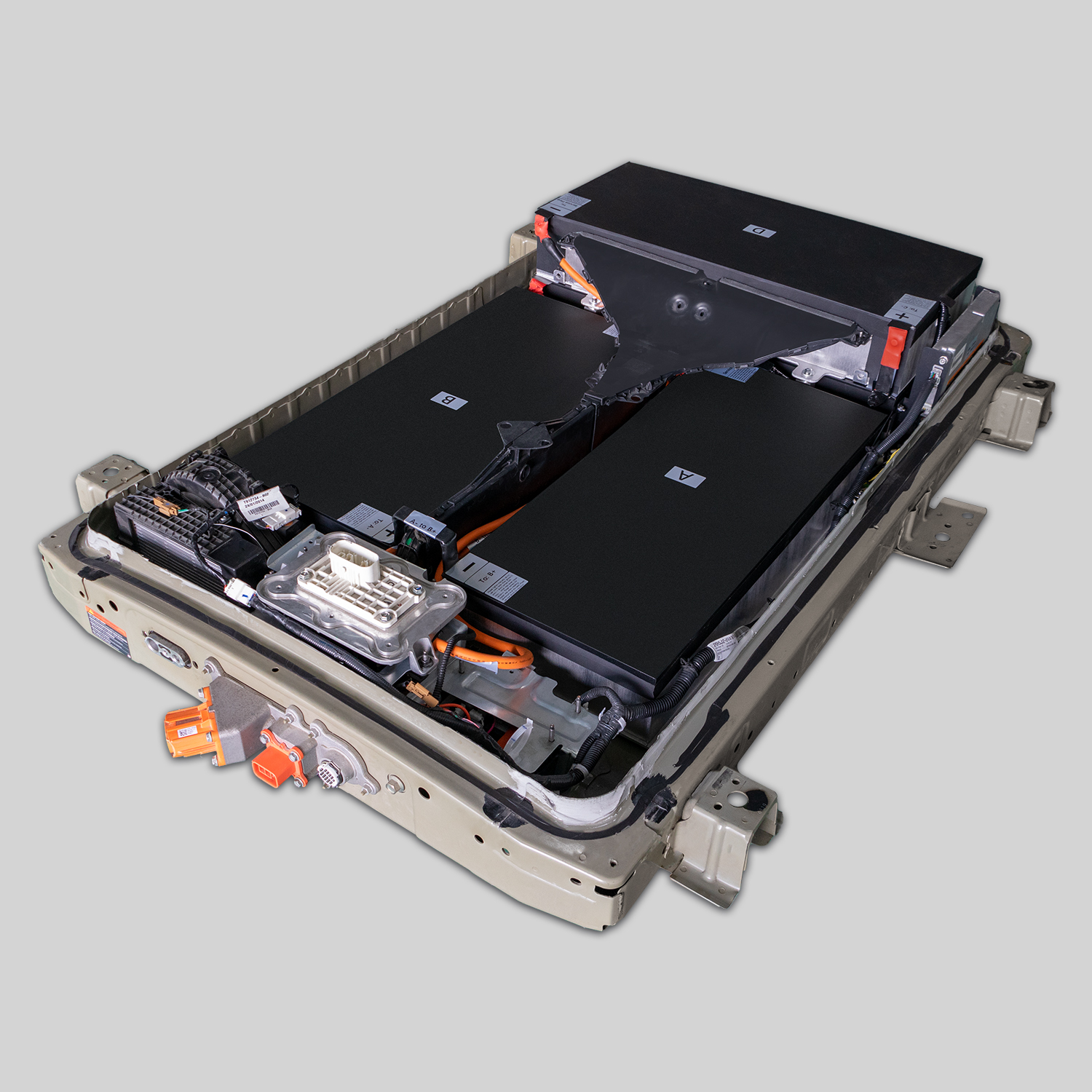
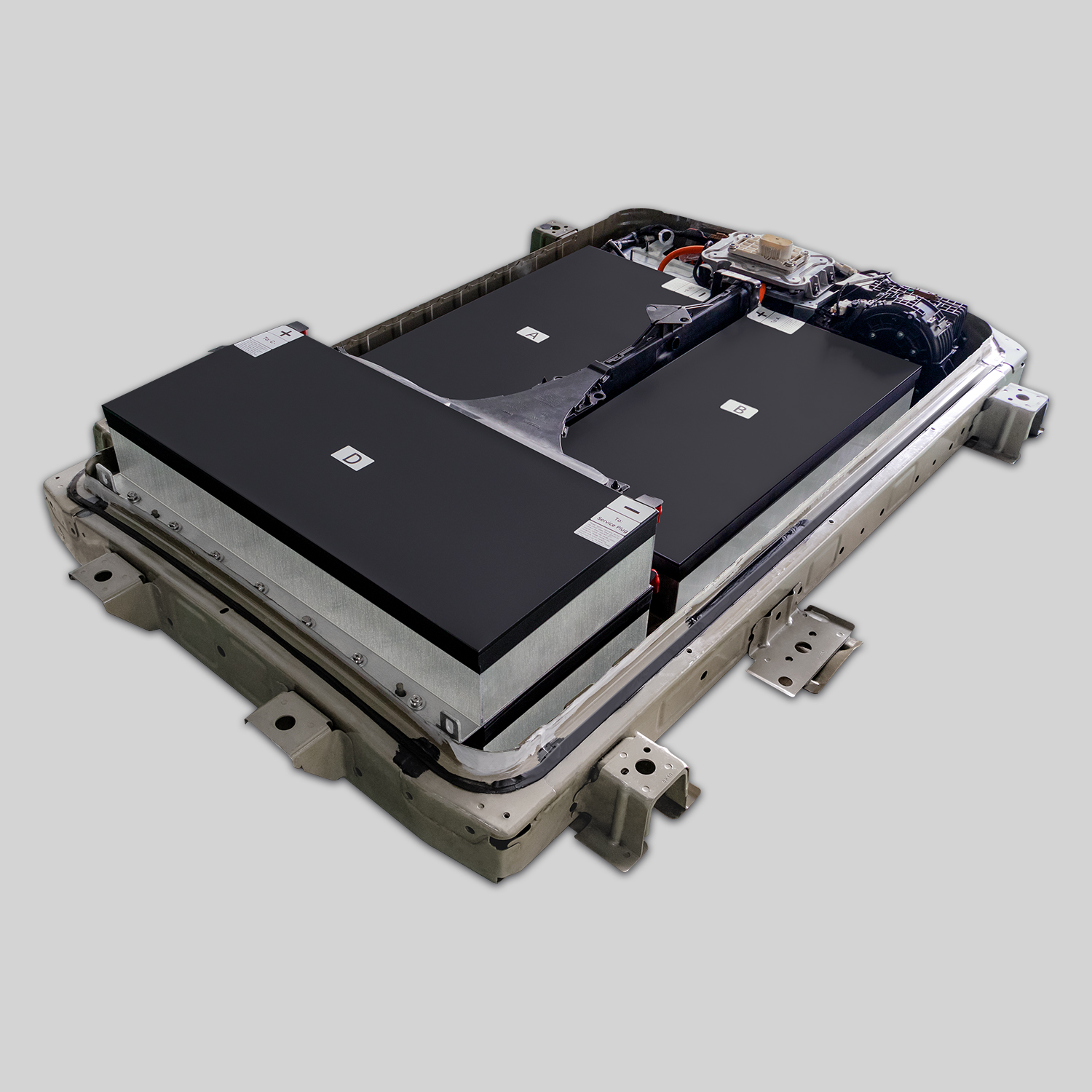
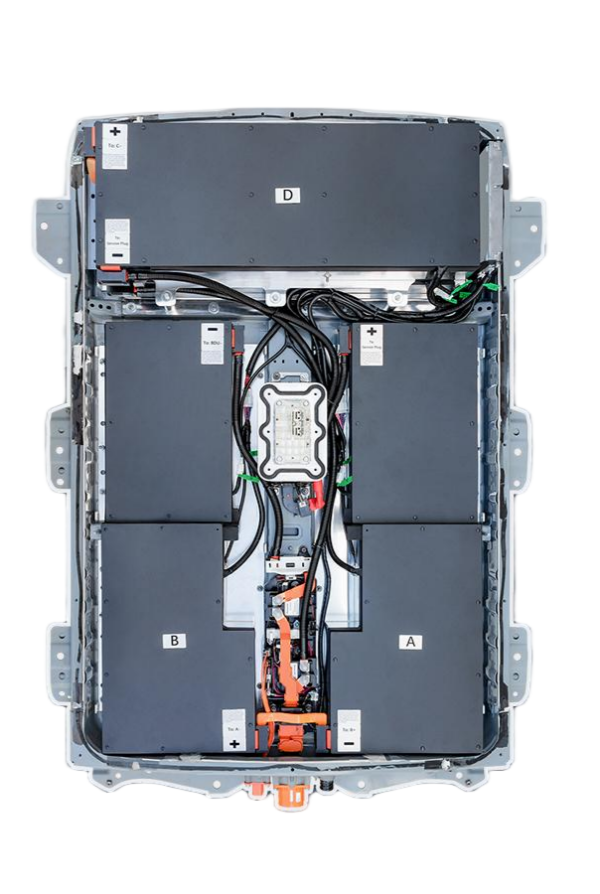
A superior option for your Australian clients is a brand-new aftermarket battery pack. These are designed to OEM specifications but built with brand-new cells from top-tier manufacturers.
Key Features to Look For:
- Brand New Cells: Ensure the pack uses cells from reputable suppliers like CATL. This guarantees maximum cycle life and safety.
- OEM Compatibility: The battery must be a direct plug-and-play replacement. It should match the voltage, dimensions, and communication protocols of the original Nissan pack.
- Warranty: A robust warranty is essential for your shop’s peace of mind. Look for suppliers offering at least 2 years or 80,000 km.
⚡ Technical Specifications for the e-NV200 Evalia
Understanding the technical specs is crucial for advising your customers correctly. While the original pack was smaller, modern replacements often offer an upgrade path.
| Specification | Original (24/30 kWh) | Modern Replacement (40/50 kWh) |
|---|---|---|
| Nominal Voltage | ~350V | ~350V – 360V (Compatible) |
| Cell Chemistry | NMC (Lithium-ion) | NMC (Newer Generation) |
| Capacity Options | 24 kWh / 30 kWh | 40 kWh / 50 kWh (Upgraded) |
| Estimated Range | ~120-180 km | ~250-340 km (Significant Increase) |
Note on Upgrades: Many modern replacement packs offer 40 kWh or 50 kWh options. These are designed to fit the same chassis as the original 24/30 kWh pack. This upgrade effectively doubles the range, making the e-NV200 viable for modern delivery demands.
🔧 The Installation Process: A Workshop Guide
Replacing the battery on an e-NV200 Evalia is a major operation. Safety and precision are paramount.
1. Preparation and Safety
- High Voltage Safety: Always disconnect the 12V auxiliary battery first. Wear insulated gloves and use insulated tools.
- Vehicle Position: The battery is located under the floor of the cabin. You will need a vehicle lift to access the undercarriage bolts.
- Drain Coolant: The battery has a liquid cooling system. You must drain the coolant before disconnecting the thermal lines.
2. Removal of the Old Pack
- Access Panels: Remove the rear seats and the floor coverings to access the battery mounting bolts from the interior.
- Undercarriage: From below, disconnect the high-voltage connectors (wear PPE), thermal coolant lines (have a tray ready for spillage), and the signal/control harnesses.
- Lowering: The pack is heavy. Use a transmission jack or a specialized EV battery lift to lower it safely.
3. Installing the New Pack
- Fitment: New aftermarket packs are designed to bolt in using the original mounting points. Ensure the rubber bushings are correctly positioned to prevent vibration damage.
- Reconnection: Reconnect the coolant lines first, then the high-voltage cables, and finally the signal cables.
- Refill & Bleed: Refill the cooling system with the correct coolant type and bleed any air from the system.
4. System Activation and Coding
This is the most critical step. Simply plugging in the battery may not be enough.
- BMS Reset: The Battery Management System (BMS) in the new pack needs to communicate with the vehicle’s ECU.
- Programming: You may need diagnostic tools (like Consult-III or equivalent) to reset the battery management system fault codes and initialize the new battery’s state of charge (SOC).
- Video Support: If your team encounters communication errors during this step, having access to real-time video support from the battery supplier’s technical team is invaluable.
💡 Why Australian Shops Choose New Aftermarket Solutions
As a repair shop, your reputation depends on the reliability of the parts you install. Here is why sourcing new packs is a smart business move:
- Zero Failure Rate: New cells from manufacturers like CATL have a virtually zero failure rate compared to refurbished modules.
- Lifetime Technical Support: Partnering with a supplier that offers lifetime technical support means your technicians are never stuck on a difficult coding or installation issue.
- Customer Satisfaction: Installing a new 40 kWh or 50 kWh pack doesn’t just fix the car; it gives it new life. Customers love the increased range and the fact that they avoided the astronomical cost of a new vehicle.
📝 Conclusion
Replacing the battery in a Nissan e-NV200 Evalia is no longer a death sentence for the vehicle. For Australian repair shops, this presents a massive opportunity to provide a high-value service.
By choosing a brand-new, OEM-compatible battery pack built with top-tier cells and backed by comprehensive technical support, your shop can offer a “like-new” solution at a fraction of the cost. This not only saves the vehicle but also builds long-term trust with your commercial clients.
Ensure you have the correct diagnostic tools ready and consider partnering with a supplier who understands the unique challenges of the Australian market and provides the backing you need for a successful installation.
Ready to get your workshop set up with reliable e-NV200 battery solutions?
Contact our technical experts now for customization and wholesale pricing
❓ Frequently Asked Questions (FAQ)
1. Can I simply install a new battery, or does it require coding?
While the physical installation is plug-and-play, the vehicle’s ECU usually requires coding to recognize the new Battery Management System (BMS). This often involves resetting fault codes and initializing the State of Charge (SOC). It is recommended to have a diagnostic tool capable of Nissan EV protocols or to utilize remote video support from your supplier for this step.
2. What is the difference between a 40 kWh and a 50 kWh replacement pack?
Both are upgrades from the original 24/30 kWh packs. The 40 kWh pack is typically designed as a direct drop-in replacement, offering maximum compatibility. The 50 kWh pack offers even greater range but may have specific compatibility requirements depending on the vehicle’s year and model (ZE0 vs AZE0). Always verify the specific model number with your parts supplier before ordering.
3. How long does the installation take?
For a professional workshop with the correct lift and tools, the physical removal and installation process typically takes 2 to 3 hours. This includes draining and refilling the coolant and ensuring all safety checks are complete. Additional time may be needed for the initial BMS programming and testing.
4. Are these batteries legal to install in Australia?
Yes. As long as the battery meets the original safety and voltage specifications of the vehicle (OEM standards), it is legal to install. Ensure the pack you source has passed relevant safety certifications for electrical components. Reputable suppliers provide batteries that are designed to meet or exceed these international safety standards.