Is Summer Heat Killing Your Nissan Leaf’s Battery Range?
It is currently May in Zhengzhou, and as the mercury begins to rise, we at CNS Battery start receiving the same frantic emails from Leaf owners. “Why is my range dropping in the summer?” or “Is the heat frying my battery?” If you drive a Nissan Leaf (or e-NV200) and are worried about the scorching summer sun damaging your pack, you are not alone. High temperatures can be just as stressful for lithium-ion batteries as freezing winters.
As an OEM-compatible battery manufacturer specializing in Nissan and BMW models, we have analyzed thousands of data points. The good news? Modern thermal management systems are robust, but understanding the “why” behind the dip can save you anxiety and extend your battery’s life.
🌡️ The Science: Why Heat Affects Nissan Leaf Battery Health
When the temperature climbs, chemical reactions inside the battery accelerate. For older Leaf models (especially the 24kWh or 30kWh ZE0 variants without active liquid cooling), this can be problematic. While newer models (ZE1, AZE0) have better thermal management, heat still plays a tricky role.
1. The “Thermal Throttling” Effect
Your Battery Management System (BMS) is the brain of the operation. To protect the cells from damage during high ambient temperatures (like a hot Zhengzhou summer), the BMS may restrict the charging and discharging rates. This means:
- Slower DC Fast Charging: You might notice the charging speed drops significantly once the battery gets warm.
- Reduced Regenerative Braking: To prevent the battery from overheating due to energy influx, the car might limit how much energy it recaptures when you brake.
2. Parasitic Drain: The Air Conditioning Load
This is often the biggest culprit for “range anxiety” in summer. Running the AC compressor puts a massive load on the High Voltage (HV) system.
Expert Insight: For every 20% of AC usage, you can expect roughly a 10-15% reduction in effective driving range. It is not the battery degrading; it is the energy being diverted to keep you cool.
3. The Myth of Instant Degradation
Many owners fear that a hot summer day will permanently kill their State of Health (SOH). While sustained high temperatures (above 45°C/113°F) can accelerate long-term degradation, a single hot day usually results in temporary performance reduction, not permanent capacity loss.
📉 Real-World Data: Summer vs. Winter Performance
To give you a clearer picture, let’s compare how temperature typically impacts a standard Nissan Leaf battery:
| Metric | Winter Performance | Summer Performance | CNS Expert Analysis |
|---|---|---|---|
| Usable Range | Reduced (Battery chemistry slows down) | Slightly Reduced | Summer usually offers better usable range than winter, unless AC is blasting. |
| Charging Speed | Slows down significantly | May throttle at high SoC | Heat is better than cold for charging speed, but watch the top 20%. |
| SOH Impact | Minimal long-term impact | Higher Risk | Long-term exposure to heat is worse for battery lifespan than cold. |
🛡️ 4 Strategies to Protect Your Leaf’s Battery This Summer
Living in a climate with distinct seasons means being proactive. Here is how to mitigate summer heat stress:
1. Master the Charging Window
Avoid charging your Leaf during the peak afternoon heat (12 PM – 4 PM).
- Best Practice: Charge overnight when temperatures are cooler. If you must DC fast charge during the day, try to park in the shade beforehand to lower the core battery temperature.
2. Pre-Conditioning is Your Friend
If your Leaf model supports it (usually via the NissanConnect app), precondition the battery while it is still plugged in. This heats or cools the battery to an optimal temperature before you unplug, preserving range for the drive.
3. Avoid “Topping Off” in the Heat
Lithium-ion batteries are most stressed at high State of Charge (SoC) and high temperatures.
- Pro Tip: If you are parking in direct sunlight for an extended period, try not to leave the battery at 100% SoC. Aim for 80-90% to reduce internal pressure on the cells.
4. Utilize Shade and Parking Solutions
This might sound obvious, but parking in a garage or under a carport can make a difference of 20-30°C compared to direct sunlight. For e-NV200 owners using the vehicle for commercial purposes, consider reflective sunshades for the windshield.
💡 When the Heat is Too Much: Upgrading Your Pack
If you find that your summer range is unacceptable, or if your current battery shows signs of permanent degradation (swelling, hard faults), it might be time to consider a replacement.
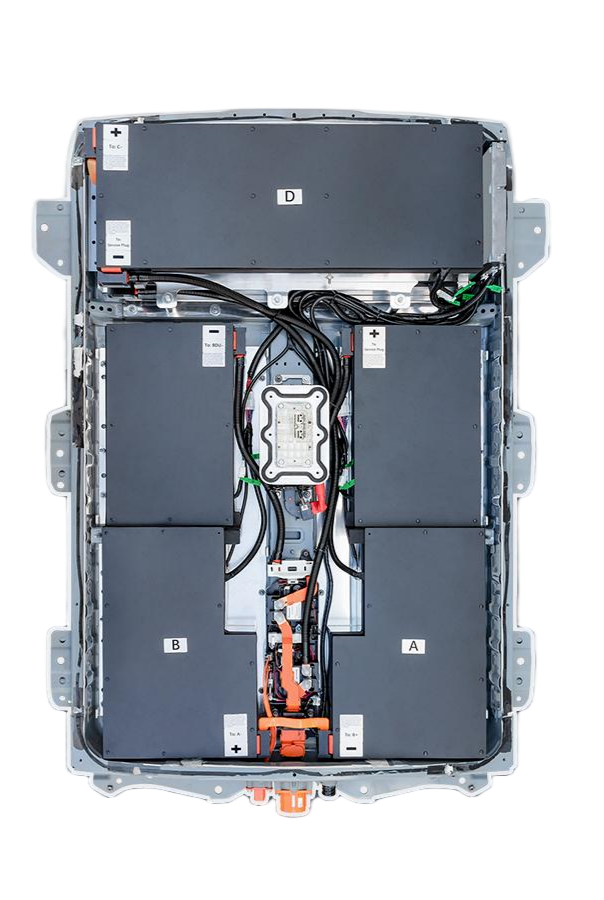
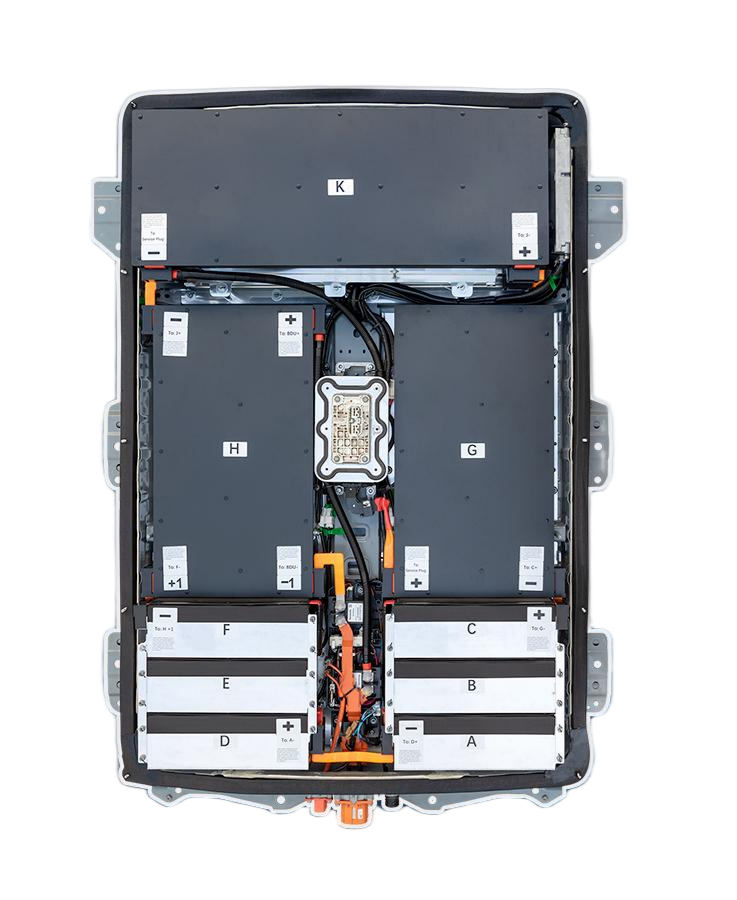
At CNS Battery, we design our Nissan Leaf battery packs with CATL-grade cells and enhanced thermal resilience in mind. Unlike older refurbished packs that might struggle in the heat, our modules are built to OEM standards, ensuring they can handle the thermal cycling of a Zhengzhou summer without breaking a sweat.
- ZE0 / ZE1 / AZE0 Compatibility: We offer 40kWh, 50kWh, and 62kWh options specifically designed for Nissan platforms.
- Longevity: Our packs are engineered to maintain over 70% capacity even after 80,000 km of use, backed by a 2-year warranty.
🛠️ Frequently Asked Questions (FAQ)
Q1: Is it bad to leave my Nissan Leaf parked in the sun all day?
A: While modern Leafs are designed to handle this, it is not ideal. The interior can become an oven, and while the BMS protects the cells, prolonged exposure to extreme heat can accelerate the aging process of the electrolyte. If possible, use a sunshade or park in the shade.
Q2: Why does my fast charging stop at 80% in the summer?
A: This is a safety feature. As the battery fills up, it generates heat. In summer, the ambient heat combines with charging heat. To prevent thermal runaway, the BMS will slow down or pause charging until the pack cools. Try charging in the early morning or late evening for faster speeds.
Q3: Should I use the timer to charge during the day if I need the car later?
A: Generally, no. If you are using AC while driving, the battery will be warm. Charging it immediately after a hot drive adds more heat. It is better to let the battery cool down for an hour or two before starting the charge, or use a timer to start charging late at night.
Q4: How do I know if my battery degradation is due to heat or just old age?
A: Heat accelerates chemical degradation, but it is usually gradual. If you notice a sudden drop in range or error codes (like the “Caravan Mode” light), it is likely a cell imbalance or a faulty BMS, not just temperature. You can check your battery health via a CAN adapter or consult a professional.
Q5: Can I upgrade my old Leaf battery to a newer, heat-resistant model?
A: Absolutely. Many of our customers upgrade from older 24kWh or 30kWh packs to our 40kWh or 62kWh lithium packs. These newer chemistries often have better thermal stability and significantly increase your range, making summer AC usage less stressful.
Don’t let summer heat ruin your driving experience. If you are struggling with range anxiety or suspect your battery pack is failing due to thermal stress, we can help. We specialize in OEM-compatible replacements that offer the reliability of a factory part at a fraction of the cost.