Here is a comprehensive, SEO-optimized article tailored for Nissan Leaf ZE1 owners, focusing on active cooling solutions and upgrade paths.
The Ultimate Guide to Active Cooling for Leaf ZE1 Owners
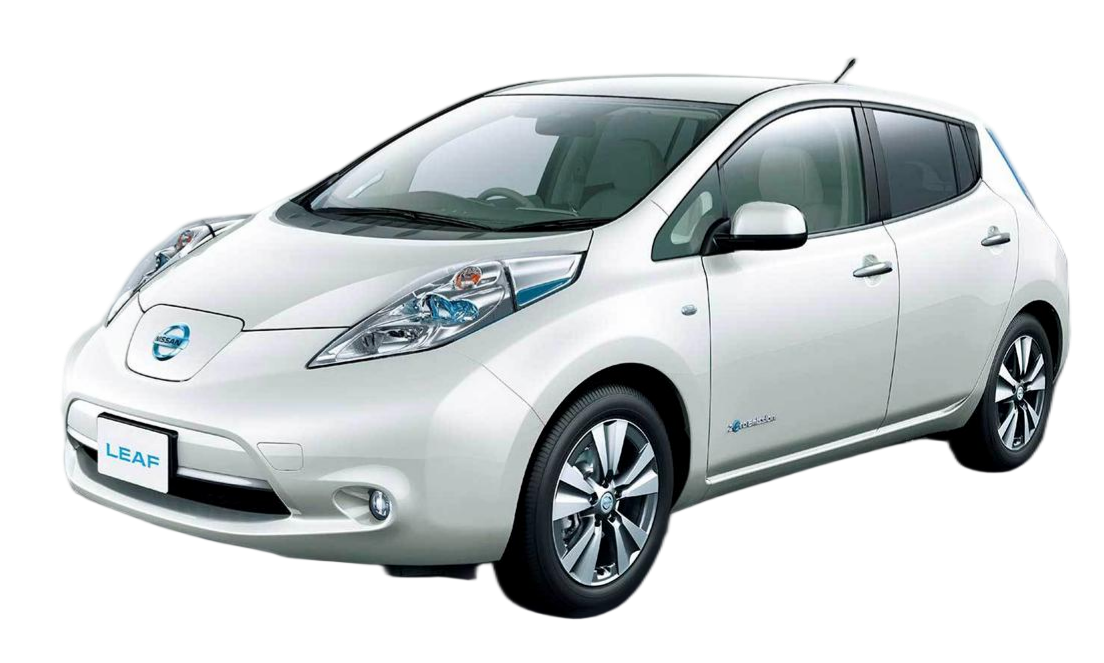
If you drive a Nissan Leaf ZE1 (specifically the 40kWh model), you are likely familiar with the “Leaf Shake” and the dreaded battery degradation caused by the passive air-cooling system. Living in a region with hot summers or relying on your car for daily commutes can turn battery anxiety into a reality. However, the landscape for ZE1 owners has changed dramatically.
This guide is designed for owners who refuse to let a dated thermal management system dictate the lifespan of their vehicle. We will explore why active cooling is the ultimate solution for longevity and how upgrading your battery pack can transform your ZE1 into a modern EV powerhouse.
Why Passive Cooling is the Achilles’ Heel of the ZE1
The Nissan Leaf ZE1 (2013-2017) was a pioneer, but its battery technology has limitations. Unlike the later ZE1 (2018+) or AZE0 models, the early ZE1 relies on a passive air-cooling system.
- The Heat Problem: Lithium-ion batteries degrade rapidly when exposed to high temperatures. Without active cooling, the battery pack acts like a greenhouse, trapping heat generated during driving and charging.
- The “Leaf Shake”: This is the physical manifestation of a failing battery. As cells degrade unevenly due to heat stress, the Battery Management System (BMS) struggles to balance them. This results in a sudden, violent shaking of the car when the battery hits a specific State of Charge (SoC), usually around 80-90%.
- Capacity Loss: Owners in hot climates often report dropping to 50-60% capacity within just a few years.
For ZE1 owners, simply replacing the battery with another used or refurbished pack is often a temporary fix. The root cause—poor thermal management—remains.
The Solution: Upgrading to Active Cooling Systems
The most effective long-term strategy for a ZE1 owner is to upgrade to a battery pack equipped with an Active Liquid Cooling system.
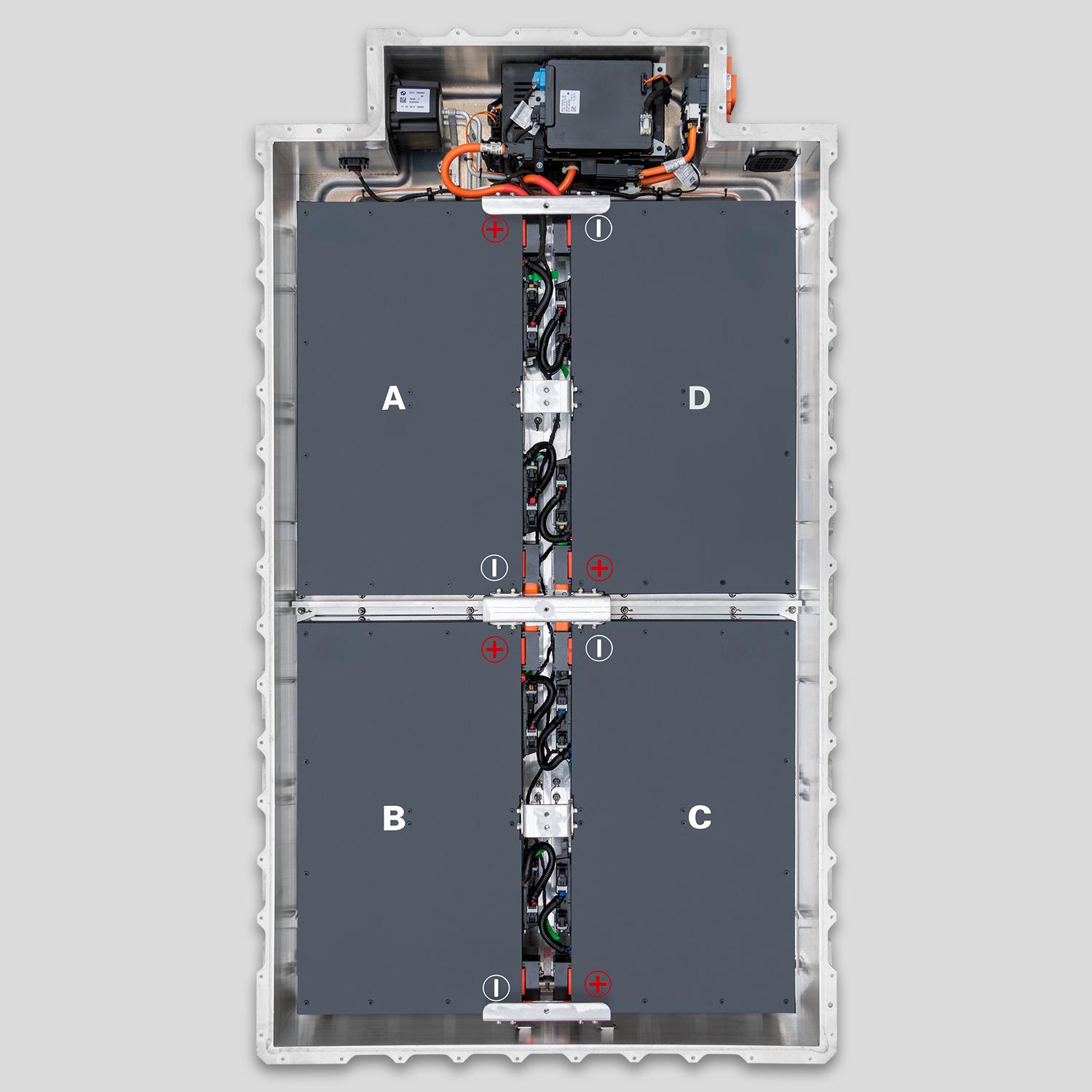
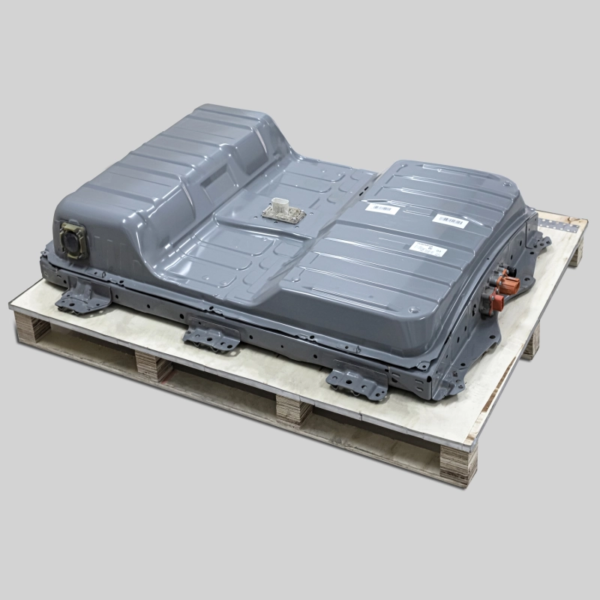
While retrofitting the original chassis with liquid cooling pipes is complex and expensive, the modern solution is to swap the entire battery pack for a new, high-capacity, liquid-cooled module. This is where the aftermarket has evolved to meet OEM standards.
1. The 62kWh Upgrade Path
Many ZE1 owners are opting to upgrade their 40kWh battery to a 62kWh configuration. This isn’t just about range; it is about technology.
- Liquid-Cooled Cells: Modern 62kWh modules utilize advanced Nickel Manganese Cobalt (NMC) chemistry coupled with liquid cooling plates. This keeps the cells at an optimal temperature (typically 20°C – 35°C), regardless of external weather.
- Eliminating the Shake: By using a new, balanced, and actively cooled cell chemistry, the “Leaf Shake” is completely eliminated. The BMS in a new pack does not suffer from the memory effect or imbalance of a 10-year-old degraded pack.
- Extended Lifespan: Active cooling can extend the battery lifespan by 2-3 times compared to passive air cooling. This turns your ZE1 into a “forever car” for city driving.
2. The 45kWh/50kWh LFP Option
For those prioritizing longevity over maximum range, upgrading to a Lithium Iron Phosphate (LFP) battery is a game-changer.
- Thermal Stability: LFP chemistry is inherently more thermally stable than the original LEAF chemistry. While they still benefit from active cooling, they are less prone to thermal runaway.
- Cycle Life: LFP batteries can handle 3000+ charge cycles. When paired with an active cooling system, this means decades of service without significant degradation.
How to Choose the Right Active Cooling Battery
When searching for a replacement or upgrade battery, it is crucial to verify the cooling specifications. Not all “new” batteries are created equal.
Here is a comparison of your options as a ZE1 owner:
| Feature | Original ZE1 (40kWh) | Refurbished/Used Packs | New Active Cooling Battery (62kWh/LFP) |
|---|---|---|---|
| Cooling System | Passive Air Cooling | Usually Passive (Same as Original) | Active Liquid Cooling |
| Cell Source | Old AESC/NMC | Mixed/Used | Brand New CATL/NMC or LFP |
| Degradation Risk | High (Heat Sensitive) | Very High | Low (Thermally Managed) |
| “Leaf Shake” | Likely | Likely | None |
| Warranty | N/A (Expired) | Short (3-6 months) | 2 Years / 80,000 km |
Key Takeaway: If you are investing in a new battery, investing in one with active cooling is non-negotiable for reliability.
The Installation Process: Is it Plug-and-Play?
A common concern among ZE1 owners is the complexity of upgrading to an active cooling system. The good news is that modern aftermarket solutions are designed for compatibility.
- Physical Fitment: New 62kWh or 45kWh modules are engineered to fit the ZE1 chassis dimensions. While the internal cell layout differs from the original “laminated” design, the external mounting points align.
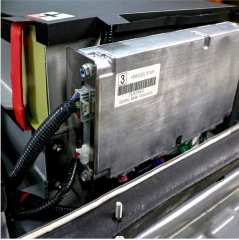
- BMS Compatibility: The most critical step is ensuring the Battery Management System (BMS) communicates correctly with the Leaf’s Vehicle Control Unit (VCU). Reputable manufacturers provide pre-programmed BMS units that mimic the original Nissan communication protocol.
- Cooling Loop Integration: If your upgrade kit includes an external cooling loop (radiator and pump), this usually mounts in the front trunk (frunk) area. This is a standard modification for performance ZE1 builds.
Pro Tip: Always request a VIN compatibility check before purchasing. A professional supplier will verify that the voltage output and communication protocols match your specific 2013-2017 Leaf ZE1 model to ensure a seamless plug-and-play experience.
Maximizing Your Investment: Maintenance Tips
Even with active cooling, proper maintenance ensures your new battery lasts for years.
- Keep it Plugged In: If you are storing the car for an extended period, keep the State of Charge (SoC) between 40% and 60%. Avoid storing it at 100% or 0%.
- Use Scheduled Charging: If you have a home charger, utilize scheduled charging to ensure the battery is only at 100% when you are about to drive. This reduces the time the battery spends at high voltage, which stresses the cells.
- Monitor Temperatures: On extremely hot days, try to park in the shade or a garage. While active cooling works hard, starting with a cooler ambient temperature helps the system maintain the ideal 25°C range.
Frequently Asked Questions (FAQ)
Q1: Can I install an active cooling system on my original ZE1 battery?
A: Technically, yes, but it is highly complex and expensive. Retrofitting the original laminated modules with liquid cooling plates requires custom machining and often voids any remaining warranty. It is usually more cost-effective and safer to replace the entire pack with a modern, pre-cooled module.
Q2: Will upgrading to a 62kWh battery void my car’s warranty?
A: Since the ZE1 models are well out of the factory warranty period, this is generally not a concern. For any remaining mechanical warranties, the battery replacement should be disclosed, but it does not typically affect unrelated components.
Q3: How much does an active cooling battery upgrade cost?
A: Prices vary, but you should expect to pay significantly less than a brand-new Nissan dealership replacement. A new active cooling pack typically costs about 50% less than an OEM replacement while offering superior technology and a longer warranty.
Q4: Is the installation difficult?
A: For a professional mechanic, the installation typically takes 1-2 hours. It involves disconnecting the high-voltage system, removing the old pack, installing the new one, and reconnecting the cables. While DIY is possible, we recommend professional installation to ensure the high-voltage connections are secure and the BMS is programmed correctly.
Ready to eliminate the “Leaf Shake” and give your ZE1 a new lease on life with an active cooling battery upgrade? Get a Free Custom Quote today and find the perfect high-performance solution for your vehicle.