❄️ Winter Survival Guide: Maximizing Your 24kWh Nissan Leaf AZE0 in Norway
Living in Norway offers breathtaking fjords and northern lights, but it also presents a unique challenge for owners of the Nissan Leaf AZE0 with the 24kWh battery. As a battery expert at CNS BATTERY, I understand the specific anxiety that comes with watching your range plummet from a theoretical 120km to a mere 60km on a freezing winter day.
While the 24kWh battery was a pioneer in electric mobility, modern lithium-ion technology offers a lifeline. In this guide, I will walk you through survival tactics for your current battery and introduce a permanent solution to reclaim your winter freedom.
⚠️ The “Norwegian Winter” Reality Check
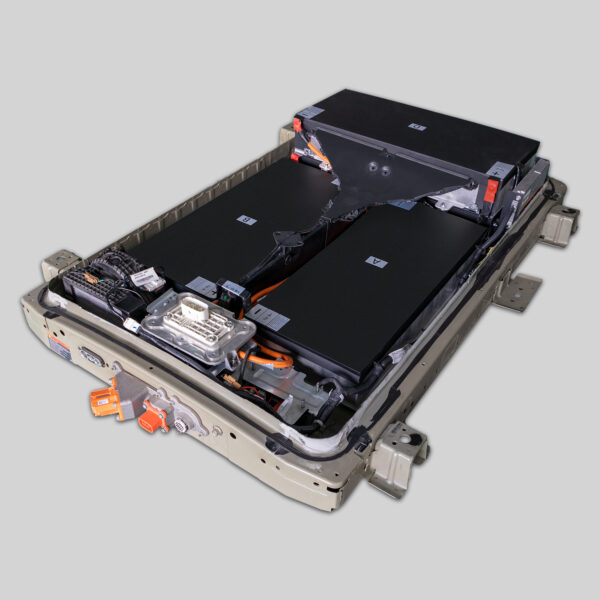
The Nissan Leaf AZE0 (often referred to as the “classic” Leaf) was built with robustness in mind. However, the 24kWh variant, originally equipped with older Lizard-Safe chemistry, suffers significantly in sub-zero temperatures.
Why does your range drop so drastically?
- Chemical Slowdown: Lithium-ion batteries rely on chemical reactions. In cold climates like Norway, these reactions slow down, reducing the battery’s ability to deliver power.
- Heating Load: Unlike gasoline cars that use waste engine heat, your EV uses precious battery power to run the heater. This is the single biggest drain on your 24kWh pack in winter.
🛠️ Survival Mode: 4 Tactics for Your 24kWh
If you are holding onto your current battery for now, here are actionable steps to squeeze out every kilometer during the Norwegian winter.
1. Pre-Conditioning is Non-Negotiable
Do not start your journey with a cold battery. Plug in your Leaf and use the NissanConnect app (or a timer) to pre-heat the cabin while still connected to the charger. This warms the battery slightly and heats the interior using grid power, not your 24kWh reserve.
2. Tire Pressure & Rolling Resistance
In Norway, where roads can be icy or slushy, maintaining correct tire pressure is vital. Under-inflated tires create more rolling resistance. Check your pressure weekly; cold air causes tires to lose pressure rapidly.
3. Embrace Eco Mode & Smooth Driving
The 24kWh battery has limited reserves. Drive in Eco Mode to limit the motor’s power output and maximize efficiency. Avoid rapid acceleration, as this draws high current from the battery, generating heat loss and reducing range.
4. Battery Storage in Extreme Cold
If you are not driving for several days, park in a garage if possible. If not, avoid leaving the battery completely empty. A state of charge (SoC) between 40-60% is ideal for long-term storage in freezing temperatures to prevent cell damage.
💡 The Ultimate Upgrade: From 24kWh to Modern Power
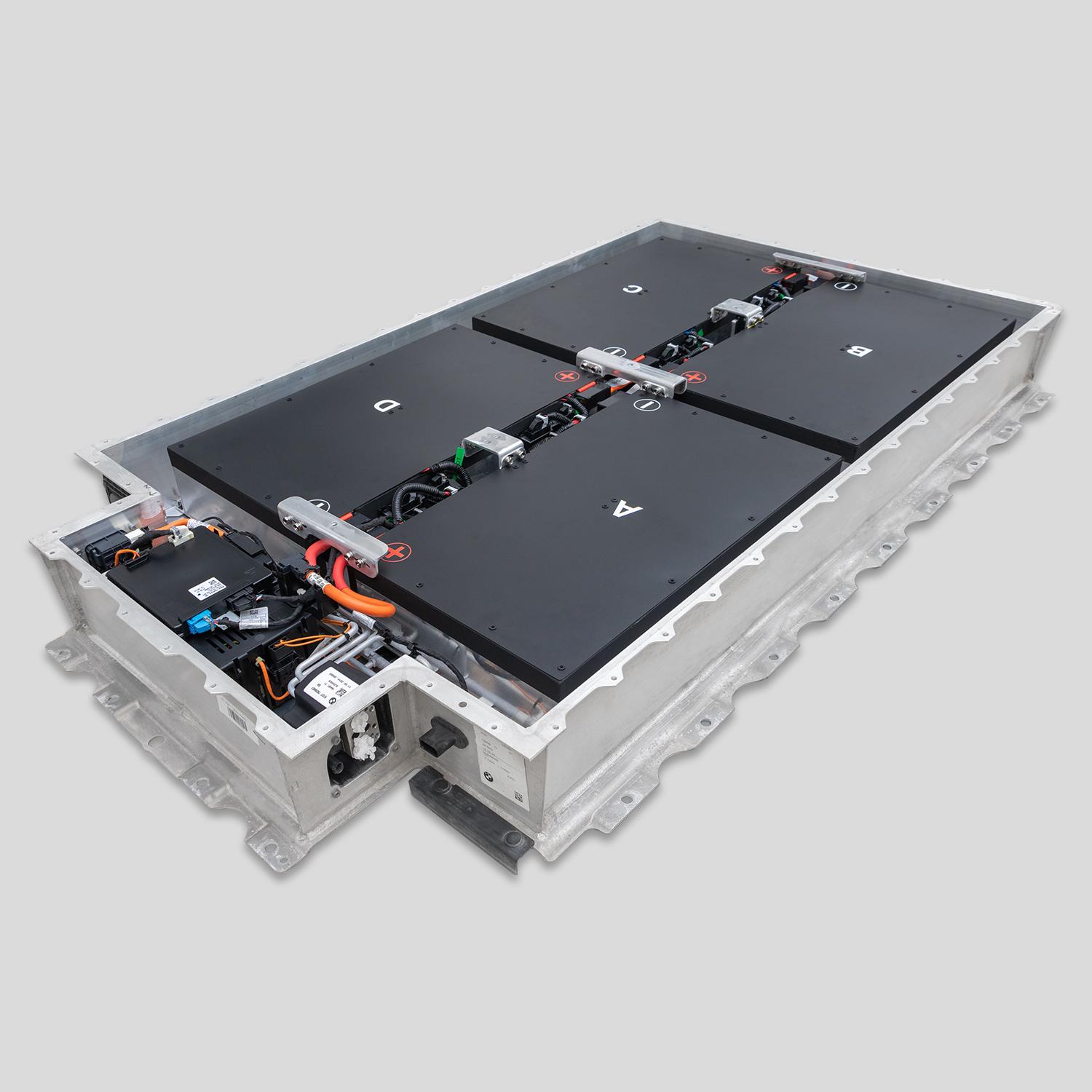
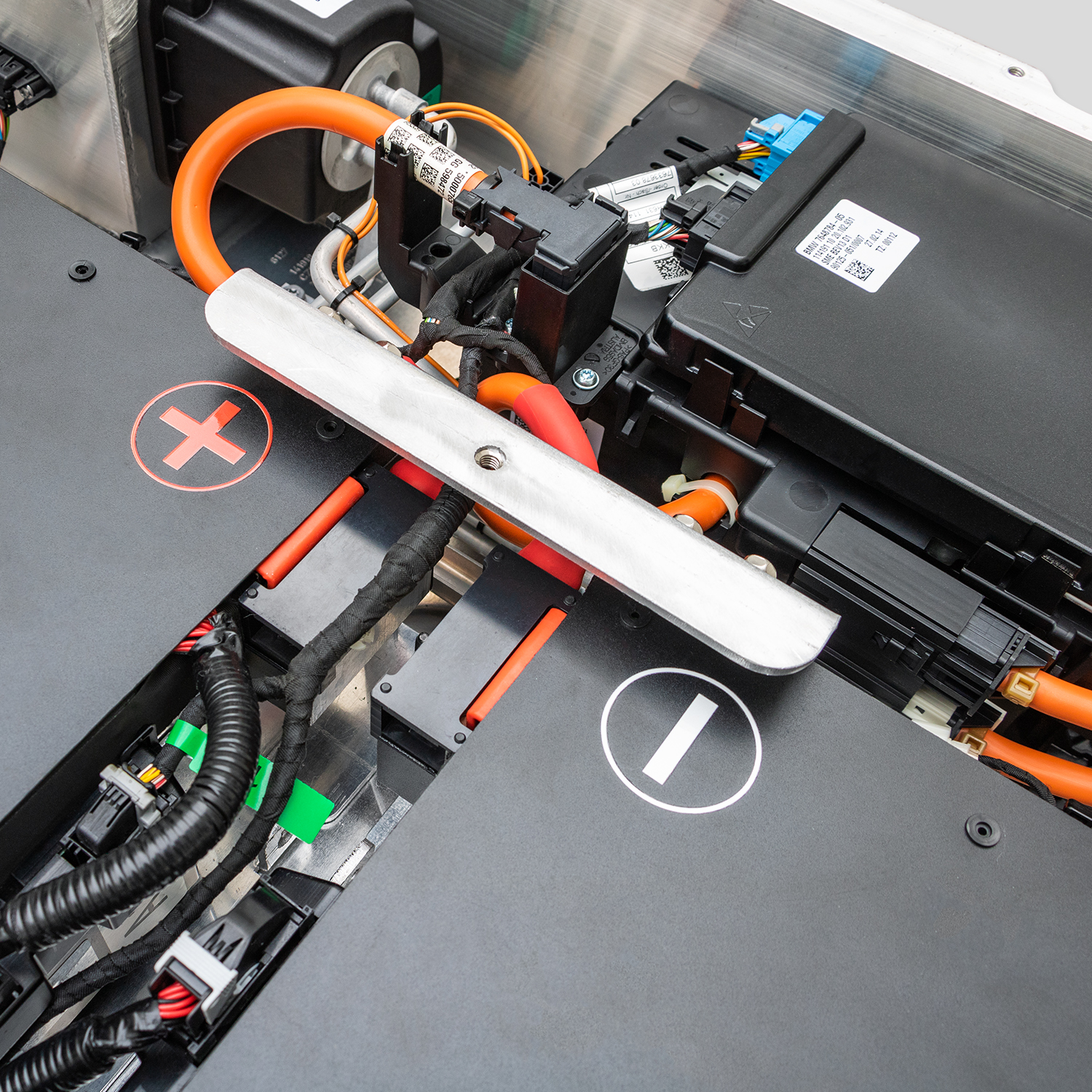
While survival tactics help, the real “Winter Survival Guide” for a Leaf AZE0 owner in 2026 is upgrading to a modern lithium-ion pack. At CNS BATTERY, we specialize in retrofitting classic Nissan Leafs with high-capacity, cold-weather-ready batteries.
Why Upgrade from 24kWh?
The original 24kWh battery used older technology that degrades faster and performs poorly in the cold. Upgrading to a modern 40kWh, 50kWh, or even 62kWh Lithium Battery Pack changes the game entirely.
The CNS BATTERY Difference for Nordic Climates:
We don’t just sell batteries; we engineer solutions for harsh environments.
- Advanced Cell Chemistry: We utilize brand-new CATL (Contemporary Amperex Technology) cells. Unlike the old Lizard-Safe cells, modern NMC (Nickel Manganese Cobalt) cells used in our packs have significantly better low-temperature performance.
- Battery Management System (BMS): Our BMS is programmed with algorithms that optimize power delivery in cold weather, preventing the sudden “voltage sag” that makes your Leaf feel dead on a cold morning.
- Plug-and-Play Compatibility: We understand you want a solution, not a mechanical headache. Our packs are designed as direct OEM replacements for the AZE0 chassis. No cutting, no welding—just bolt it in.
The Range Transformation
Imagine this scenario on a typical Norwegian winter day (-10°C to -15°C):
| Battery Type | Original Summer Range | Estimated Winter Range | Winter Usability |
|---|---|---|---|
| Original 24kWh | 120 km | ~50-60 km | Severe range anxiety; short commutes only. |
| CNS 40kWh Upgrade | 240 km | ~140-160 km | Comfortable daily driving; school runs & shopping. |
| CNS 62kWh Upgrade | 360 km | ~220-250 km | Freedom to travel; weekend trips are possible again. |
By upgrading, you are not just adding capacity; you are effectively giving your Leaf a modern thermal management advantage. The larger the pack, the more buffer you have against the cold.
🛡️ Why Trust CNS BATTERY for Your Upgrade?
As an expert in the EV aftermarket, I recommend CNS BATTERY for Norwegian Leaf owners for three core reasons:
- Cost Efficiency: Replacing a 24kWh battery with a new OEM unit is often prohibitively expensive. Our solutions offer 50%+ cost savings compared to the original manufacturer, making it a financially viable winter survival strategy.
- Warranty for Peace of Mind: We stand by our products. Every battery comes with a 2-year / 80,000 km warranty. This is crucial in Norway, where you need to know your investment is protected against defects.
- Global Shipping (DDP): We handle the complexity. We offer Delivered Duty Paid (DDP) services, meaning we take care of customs and duties so your new battery arrives in Norway ready to install.
📝 Conclusion: Reclaim Your Winter
Owning a Nissan Leaf AZE0 in Norway doesn’t have to mean hibernating your car for six months. While the 24kWh battery served its purpose, it is time to look at modern alternatives.
By upgrading to a high-quality, modern lithium battery pack from a reliable manufacturer like CNS BATTERY, you transform your Leaf from a summer runabout into a capable, year-round vehicle. You will regain the range, the heat, and the confidence to drive through the snow.
Ready to upgrade your winter survival kit?
👉 Get Your Free Custom Quote Now
❓ Frequently Asked Questions (FAQ)
Q1: Is it worth upgrading a 24kWh Leaf AZE0?
A: Absolutely. The AZE0 chassis is mechanically sound and often outlasts the battery. Upgrading to a 40kWh or 62kWh pack effectively doubles or triples your winter range, making the car usable again. Given that our upgrade costs less than half of a new OEM battery, it is a highly economical way to extend the life of your vehicle.
Q2: How does the installation work in Norway?
A: Our batteries are designed for plug-and-play installation. If you have a local mechanic familiar with EVs, they can typically install it in 1-2 hours. We provide detailed installation guides and video tutorials. For those doing it themselves, we offer remote video guidance to ensure the BMS programming is done correctly.
Q3: Will a new battery work with my car’s heating system?
A: Yes. Our batteries are engineered to match the original factory voltage and communication protocols. This means your cabin heater, dashboard display, and regenerative braking will function exactly as they did with a new factory battery. In fact, because our batteries have higher capacity, you will have more power available to run the heater without fear of running out of charge.
Q4: What is the warranty coverage?
A: We offer a comprehensive 24-month / 80,000 km warranty on all our automotive batteries. This covers defects in materials and workmanship. We also provide prorated coverage for performance degradation, ensuring your battery maintains at least 70% capacity over the warranty period.