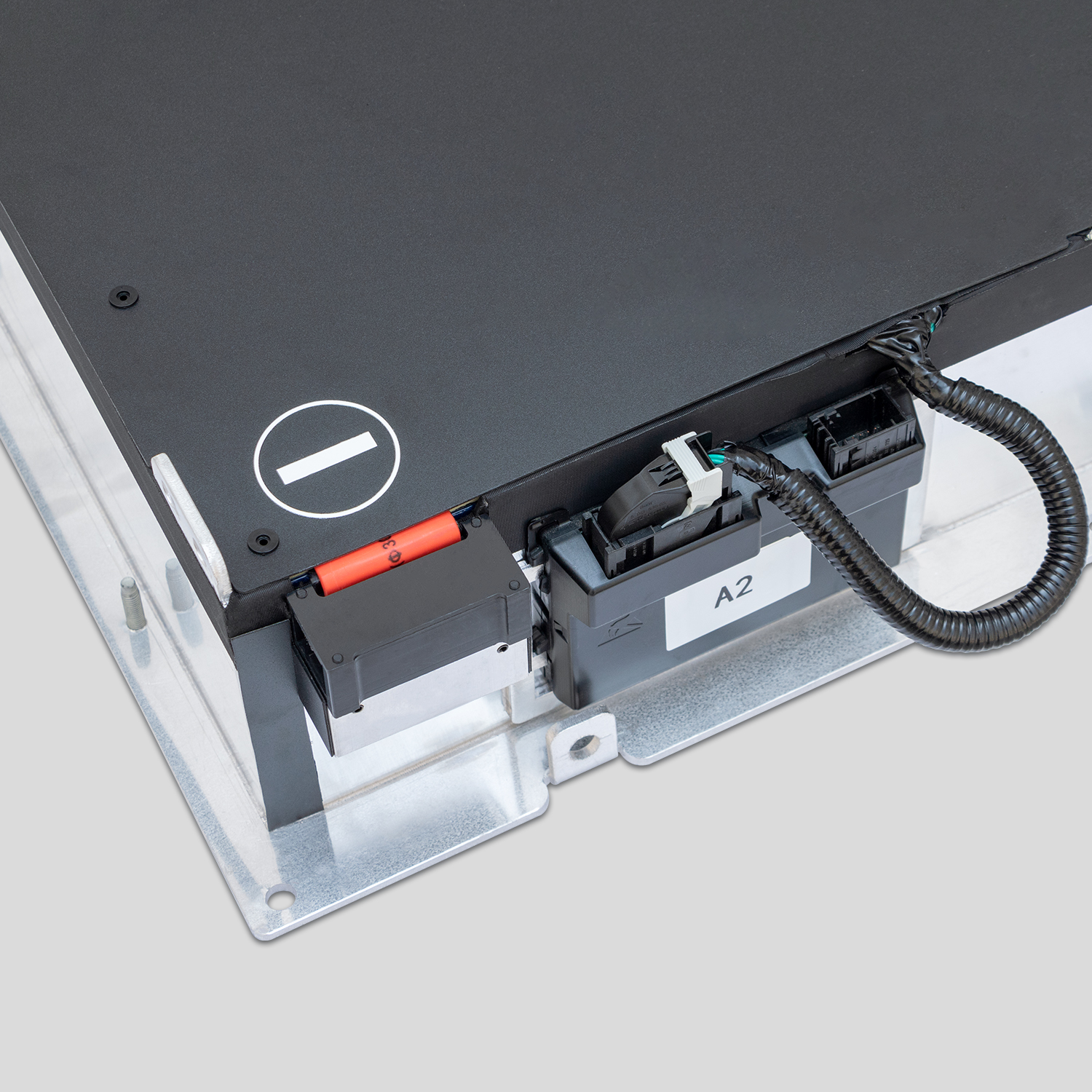
Maximizing Leaf AZE0 Cost Per Mile for Last-Mile Delivery Fleets
For fleet managers operating in the competitive last-mile delivery sector, every penny counts. The Nissan Leaf AZE0 is a popular choice due to its reliability, but as fleets scale, the Total Cost of Ownership (TCO) becomes the deciding factor between profit and loss. The primary driver of TCO is the battery—the most expensive component that degrades over time. If you are looking to maximize your cost per mile and ensure your delivery vans are on the road longer, upgrading to a high-performance aftermarket solution is the strategic move.
The Cost Per Mile Challenge in Delivery Fleets
Last-mile delivery requires vehicles to operate at maximum capacity. Standard batteries often struggle with the demands of constant stop-and-go traffic, climate control usage, and the weight of packages. As batteries degrade, range anxiety sets in, forcing drivers to return to base for charging mid-shift, which directly increases labor costs per delivery.
To combat this, fleet managers need a battery solution that offers:
- Extended Range: To cover more ground without recharging.
- Durability: To withstand the heavy daily cycles of delivery operations.
- Affordability: To keep the initial investment low while maximizing uptime.
Why the Nissan Leaf AZE0 is Ideal for Upgrades
The Leaf AZE0 platform is renowned for its modularity. Unlike newer electric vehicles that integrate the battery into the chassis as a structural element, the AZE0 uses a “skateboard” style pack that can be removed and replaced. This makes it the perfect candidate for a “Bolt-in” battery upgrade. By replacing the aging or standard-capacity pack with a higher-specification unit, you effectively reset the vehicle’s lifecycle.
The Strategic Advantage of Aftermarket Upgrades
When managing a fleet, the goal is to extract maximum value from each asset. Original Equipment Manufacturer (OEM) replacement batteries are often priced prohibitively high, sometimes costing more than the resale value of the vehicle itself. This is where a strategic upgrade with a premium aftermarket battery, such as those offered by CNS, becomes a game-changer.
1. Drastic Reduction in Acquisition Costs
Purchasing a brand-new OEM battery can consume a massive portion of your fleet budget. High-quality aftermarket solutions offer the same factory-grade engineering and safety standards but at a fraction of the price—often saving fleet managers over 50% on the battery cost alone. This capital saved can be reinvested into acquiring more vehicles or upgrading other fleet infrastructure.
2. Increased Range and Payload Efficiency
The standard AZE0 battery may limit your daily routes. Upgrading to a higher kWh capacity pack (such as a 62kWh or higher module) allows your drivers to complete more delivery routes on a single charge. This eliminates the need for mid-day charging stops, which translates directly into more packages delivered per hour and a lower labor cost per mile.
3. Zero Range Anxiety for Drivers
Driver satisfaction is linked to vehicle reliability. A new, high-capacity battery removes the stress of the battery dying before the route is complete. This psychological safety net improves driver focus and reduces the administrative overhead of managing emergency charging or tow trucks.
4. Faster Return on Investment (ROI)
With lower upfront costs and higher operational efficiency, the ROI on a battery upgrade is rapid. A fleet vehicle that was previously sidelined due to poor battery health can be returned to service, extending the usable life of the chassis by years. This defers the capital expenditure of buying new vans.
Selecting the Right Battery Technology for Fleets
Not all replacement batteries are created equal. For a last-mile delivery fleet, where downtime is revenue loss, reliability is non-negotiable.
- Cell Quality is Paramount: Ensure the battery uses Grade-A, brand-new cells from reputable manufacturers like CATL. Avoid refurbished or salvaged cells, as their inconsistent health leads to sudden failures and higher long-term costs.
- Battery Management System (BMS): The BMS is the brain of the battery. It must be compatible with the Leaf AZE0’s specific communication protocols to ensure seamless integration with the vehicle’s dashboard and safety systems.
- Warranty and Support: Given that these are commercial assets, look for suppliers offering substantial warranties (such as 2 years or 80,000 km) and robust technical support to resolve any issues quickly.
Operationalizing the Upgrade
Transitioning your fleet to upgraded batteries requires planning:
- Phased Replacement: Instead of replacing all batteries at once, phase the upgrades. Start with the vehicles showing the most degradation to get an immediate boost in efficiency.
- Training: Ensure your maintenance team is familiar with the installation process. Many premium aftermarket batteries are designed for “Plug-and-Play” installation, minimizing the technical barrier.
- Route Optimization: Once the new batteries are installed, recalibrate your route planning software to take advantage of the extended range. This allows for denser route packing and fewer vehicles needed for the same volume of deliveries.
Long-Term Fleet Sustainability
Adopting a high-performance aftermarket battery strategy does more than just save money; it promotes sustainability. By extending the life of existing Leaf AZE0 chassis, you are reducing the demand for new raw materials required to build new electric vehicles. This aligns with corporate social responsibility goals and presents your fleet as an environmentally conscious operation.
Conclusion
Maximizing the cost per mile in last-mile delivery is about optimization. By upgrading your Nissan Leaf AZE0 fleet with a premium, high-capacity aftermarket battery, you are not just replacing a component; you are revitalizing your entire logistics operation. The combination of lower acquisition costs, extended vehicle lifespan, and increased daily range provides a clear competitive advantage in the fast-paced world of delivery logistics.
Ready to optimize your fleet’s TCO? Contact our technical experts today to discuss the best battery solution for your Nissan Leaf AZE0 fleet.
Contact Us for a Free Fleet Quote
Frequently Asked Questions (FAQ)
1. How much can I save on cost per mile by upgrading my Leaf AZE0 battery?
The savings are significant. By reducing the upfront battery cost by over 50% compared to OEM prices and doubling the range (e.g., upgrading from a degraded 24kWh to a new 62kWh), you effectively halve your depreciation cost per mile and eliminate the labor cost associated with mid-shift charging stops.
2. Are aftermarket batteries safe for commercial fleet use?
Yes, provided you choose a reputable manufacturer. Premium aftermarket batteries, such as those utilizing new CATL cells, undergo rigorous testing for safety and durability. They must meet or exceed OEM standards for vibration resistance, thermal management, and electrical safety to be viable for commercial use.
3. Will upgrading the battery void my vehicle’s remaining warranty?
Generally, replacing the battery with an aftermarket unit does not automatically void the entire vehicle warranty. However, it may affect the powertrain warranty specifically. It is always recommended to check your specific vehicle lease or warranty agreement. Most commercial fleet managers find the long-term savings and performance benefits outweigh the warranty considerations, especially for older vehicles.
4. How long does it take to install a new battery in a Leaf AZE0?
Professional installation typically takes 1-2 hours per vehicle. The process is often described as “Plug-and-Play,” involving lifting the vehicle, disconnecting the old pack, lowering in the new one, and reconnecting the harnesses. Many suppliers offer detailed installation videos and technical support to ensure your team can complete the swap efficiently.