Here is the SEO-optimized article based on your requirements.
🌡️ How to Maintain Nissan Leaf 62kWh SOH During a Heatwave
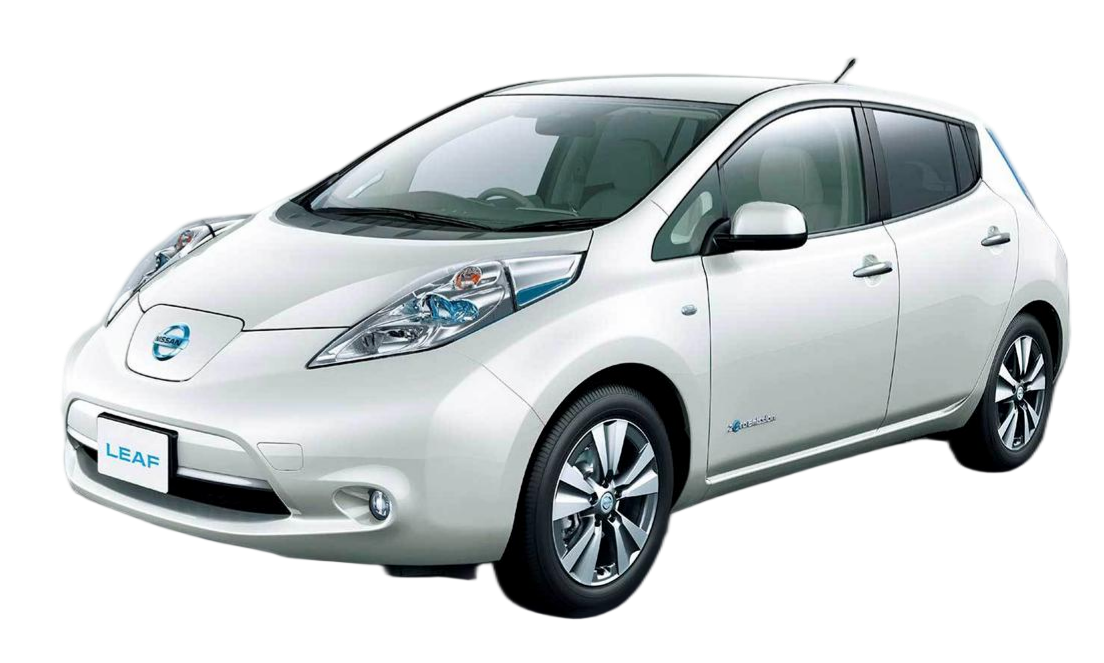
The summer sun is relentless, and if you drive a Nissan Leaf 62kWh, you know that heat is the silent enemy of battery health. As temperatures soar, your battery management system (BMS) works overtime, and without the right precautions, you might see your State of Health (SOH) dip faster than the mercury rises.
Living in Zhengzhou, where the summer heat can be intense, I’ve seen firsthand how high temperatures affect EV batteries. At CNS BATTERY, we engineer our packs to withstand these conditions, but as the driver, you play a crucial role in protecting your investment. This guide is designed to help you maintain your Nissan Leaf 62kWh SOH during a heatwave, ensuring your battery lasts for years to come.
🧠 Understanding the Heat: Why 62kWh Needs Special Care
Before diving into maintenance tips, it’s vital to understand why heat is so damaging. Lithium-ion batteries, like the ones in your Nissan Leaf, rely on chemical reactions. High temperatures accelerate these reactions, leading to faster degradation of the electrolyte and the cathode materials.
For the 62kWh model, which packs more energy density than its smaller siblings, thermal management is even more critical. While the Leaf uses an air-cooling system rather than liquid cooling, this doesn’t mean you’re powerless against the heat. By managing how and when you charge, you can significantly reduce thermal stress on the cells.
⚡ Charging Strategies for Peak Temperatures
Charging generates heat, and when combined with a heatwave, it can push your battery into the danger zone. Here is how to charge safely:
1. Time Your Charging Cycles
Avoid charging during the peak heat of the day. If your Leaf has been sitting in a hot parking lot, the battery cells are already warm. Plugging in immediately adds more heat.
- Night Charging: Whenever possible, charge overnight. The cooler ambient temperatures allow the battery to dissipate heat more effectively.
- Pre-Cooling: If you must charge during the day, park in the shade and let the car cool down for 30 minutes before plugging in.
2. Manage Your State of Charge (SOC)
High temperatures combined with a high state of charge (SOC) is a recipe for accelerated degradation.
- The 80% Rule: In extreme heat, avoid charging to 100%. Keep your charge limit between 20% and 80%. This reduces the internal pressure on the cells.
- Avoid Deep Discharges: Don’t let the battery drop below 20% in hot weather, as this also stresses the chemistry.
🌳 Environmental Protection: Parking and Storage
Your parking habits matter more than you think during a heatwave.
- Seek Shade: This is the simplest and most effective step. Parking in a garage or under a tree can lower the cabin temperature by 20-30°F, which directly benefits the battery underneath.
- Ventilation: If you have a garage, consider leaving the garage door slightly open or using a fan to circulate air around the car. While the Leaf doesn’t have active liquid cooling, airflow around the chassis helps.
- Window Shades: Using a sunshade on the windshield reduces the overall thermal load on the vehicle, helping the BMS maintain a stable temperature.
🛠️ Proactive Maintenance and Upgrades
If you are in an area prone to heatwaves, proactive maintenance is key.
1. Inspect the BMS and Connections
High temperatures can cause metal to expand and contract, potentially loosening connections over time.
Expert Tip: Regularly check that the battery terminals and connections are tight and free of corrosion. A loose connection creates resistance, which generates even more heat.
2. Consider the Quality of Your Pack
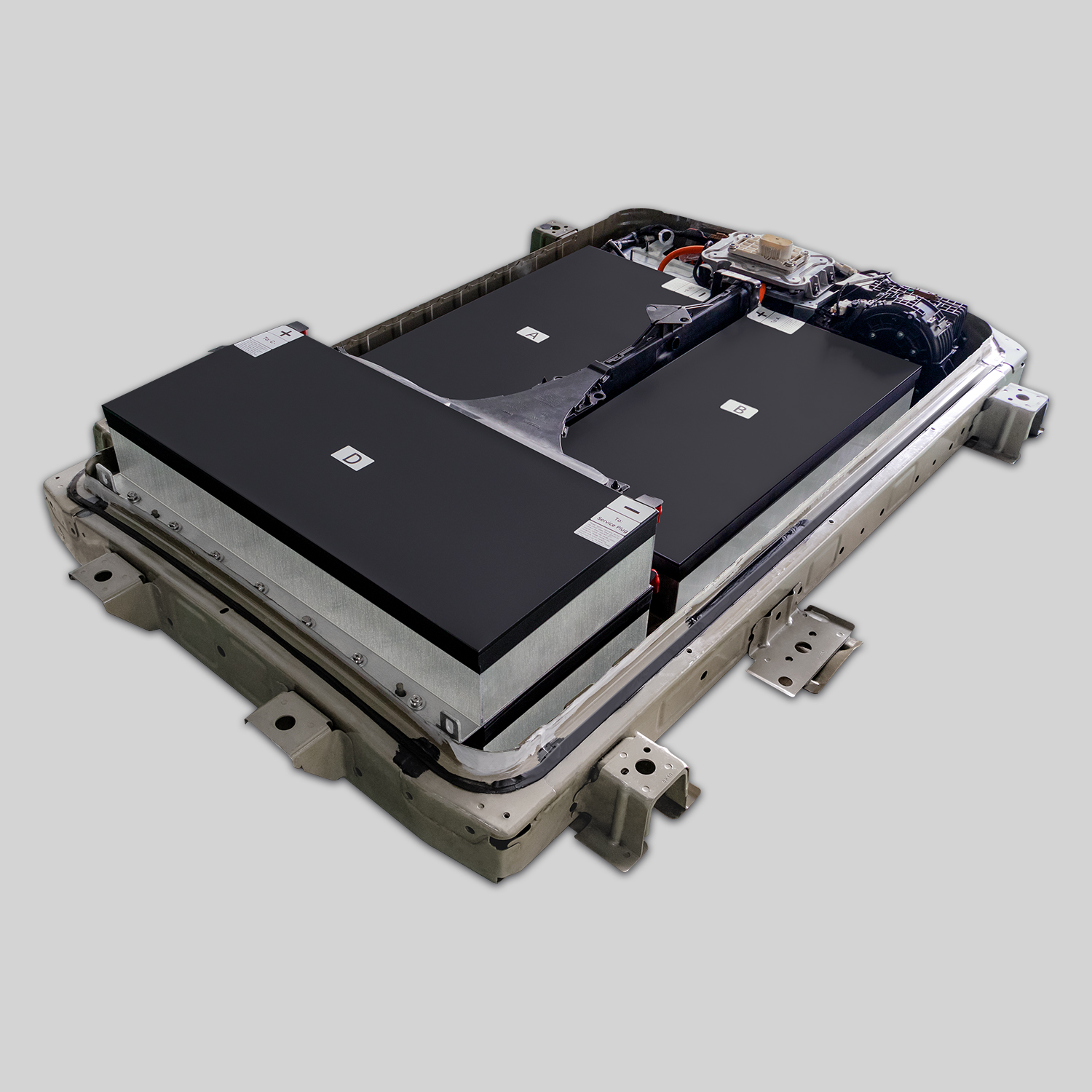
Not all replacement batteries are created equal. If you are using a refurbished pack or one with low-quality cells, the heat tolerance will be significantly lower. At CNS BATTERY, we use brand-new CATL cells which are renowned for their thermal stability and safety.
3. The Upgrade Option
If you are struggling with range anxiety or SOH loss due to heat degradation, upgrading your battery might be the solution. We offer custom solutions for the Nissan Leaf 62kWh, ensuring you get a pack engineered to handle the thermal demands of modern EV driving.
📊 Heatwave Maintenance Checklist
| Maintenance Task | Frequency | Purpose |
|---|---|---|
| Avoid 100% Charging | Daily | Reduces internal stress on cells |
| Night Charging | Daily | Utilizes cooler ambient temperatures |
| Check Ventilation | Weekly | Ensures air channels are clear |
| Inspect Connections | Monthly | Prevents heat buildup from resistance |
| Park in Shade | Daily | Lowers cabin and battery temperature |
💡 When to Consider a Replacement
If you have followed these tips and still find your Nissan Leaf 62kWh struggling to hold a charge, it might be time to look at your battery quality. Many aftermarket batteries use recycled or lower-grade cells that cannot withstand thermal stress.
CNS BATTERY offers a superior alternative. Our Nissan Leaf batteries are built with new, high-quality cells and come with a 24-month/80,000km warranty, far exceeding industry standards. We specialize in OEM-compatible solutions that save you over 50% compared to the manufacturer’s price, without compromising on safety or performance.
Don’t let the heatwave ruin your battery. Take control of your EV’s health today.
Get a Free Custom Quote for a High-Performance Nissan Leaf Battery
Contact Our Technical Experts Now
❓ Frequently Asked Questions
Q: Can I leave my Nissan Leaf plugged in during a heatwave?
A: It is generally safe to leave it plugged in if the car is in a cool garage. However, if the car is in direct sunlight, it is better to unplug it once charging is complete to prevent the battery from heating up again during “topping” charges.
Q: Does preconditioning help in hot weather?
A: Yes. Preconditioning the cabin (cooling it down) while the car is still plugged in allows you to drive away with a comfortable cabin without draining the battery or forcing the AC to work overtime immediately, which generates heat.
Q: How do I know if my battery has been damaged by heat?
A: Signs include a sudden drop in range, the battery bars dropping quickly after a full charge, or error messages related to the BMS. If you notice these, contact a technician immediately.
Q: Are CNS BATTERIES suitable for hot climates?
A: Absolutely. Our batteries use premium cells from CATL, which are rigorously tested for thermal stability. We also provide detailed installation and maintenance guides to ensure your battery performs optimally in any climate.