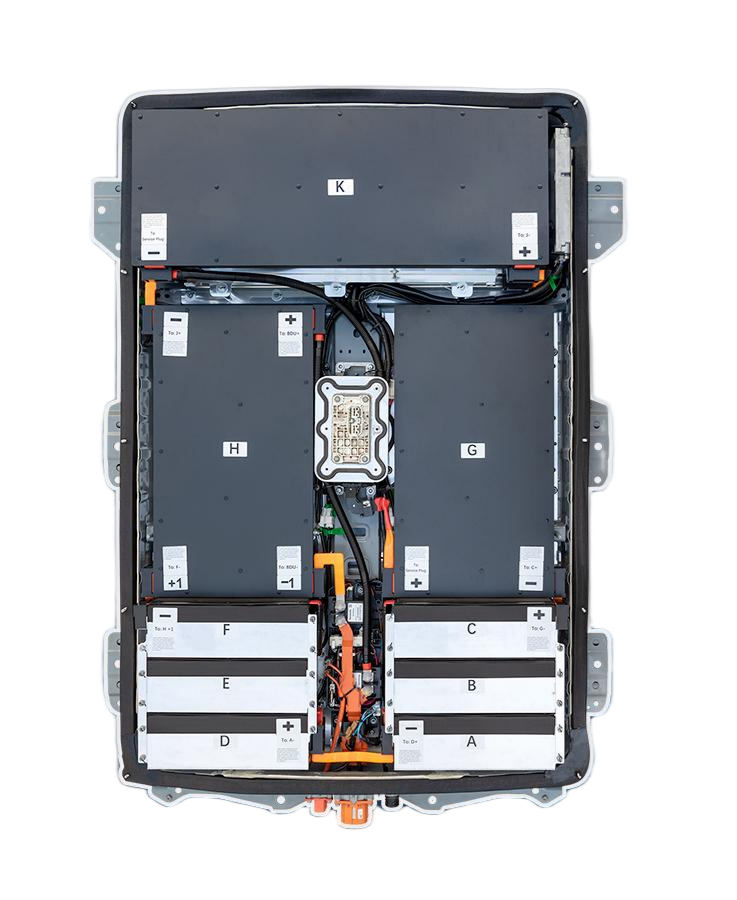
🧊 The Ultimate Guide to Preserving Your e-NV200/Evalia 62kWh Battery SOH in Freezing Temperatures
The Challenge: As winter sets in, many Nissan e-NV200 and Evalia owners face a common dilemma. The moment the mercury drops, your 62kWh battery’s State of Health (SOH) seems to plummet, and your driving range shrinks significantly. You might be worried that the cold is permanently damaging your expensive battery pack.
The Reality: Cold weather is the nemesis of lithium-ion chemistry. When temperatures fall below 15°C (59°F), the chemical reactions inside the battery slow down, increasing internal resistance. This doesn’t just reduce your range temporarily; if managed poorly, it can lead to long-term degradation and “range anxiety” that ruins your daily operations.
The Solution: You don’t have to accept a dead battery in winter. As a leading Nissan EV battery specialist at CNS BATTERY, I have analyzed countless fleet operations and individual cases. The key isn’t just buying a new battery; it’s about how you treat it during the coldest months.
This guide will walk you through specific, actionable strategies to maintain your e-NV200/Evalia 62kWh battery’s SOH, ensuring your vehicle remains a reliable workhorse all year round.
📉 Why Does Cold Weather Kill Your 62kWh Range?
Before diving into the “how,” you need to understand the “why.” Most drivers make the mistake of treating an EV like a gas car in winter.
- Chemical Slowdown: Lithium-ion batteries rely on ions moving between the anode and cathode. Cold temperatures thicken the electrolyte, making it harder for ions to move. This reduces the usable capacity (SOH) of your 62kWh pack.
- Heating Demands: Unlike gas engines that generate waste heat, EVs need to draw power directly from the battery to heat the cabin. In an e-NV200/Evalia, this can consume up to 30% of your total energy in extreme cold.
- Charging Efficiency: Charging a cold battery is inefficient and dangerous. If you plug in a frozen battery, you risk lithium plating, which permanently damages the cells and reduces their lifespan.
Expert Insight: At CNS BATTERY, our data shows that e-NV200 batteries maintained correctly in winter retain up to 95% of their summer range, while neglected packs can drop to 60-70%.
🛡️ 4 Proven Strategies to Maintain SOH in Winter
1. Master the “Pre-Conditioning” Technique
The most effective way to protect your battery is to warm it up before you drive and while you charge.
- While Plugged In: Always keep your e-NV200 plugged into the charger when parked in the cold. Modern EVs (and our replacement batteries) have Battery Management Systems (BMS) that will use grid power to warm the battery. Never start a journey with a cold battery.
- Cabin Heating: Use the timer function to heat the cabin while the car is still plugged in. This uses electricity from the wall, not your 62kWh pack, preserving your range for the road.
2. Adjust Your Charging Habits
Charging in winter requires a different mindset. You cannot rush the process.
- Avoid Fast Charging When Frozen: Never use a DC fast charger immediately after pulling a frozen car out of a snowbank. The high current can cause permanent damage. Drive for 15-20 minutes first to warm the cells, or use the pre-conditioning feature.
- Top Up Frequently: Instead of waiting for the battery to deplete, charge it in smaller increments throughout the day. This keeps the chemical reactions active and prevents the pack from getting too cold.
- Storage Tip: If you are storing the vehicle for weeks, keep the charge level around 50-60%. A fully charged battery degrades faster in cold storage, and a dead battery can suffer from cell imbalance.
3. Drive to Preserve Energy
Your driving style has a massive impact on how much heat your battery generates.
- Smooth Acceleration: Jerky acceleration draws high current, which can cause voltage drops in cold weather. Drive smoothly to maintain a steady flow of energy.
- Regenerative Braking: Use regen braking aggressively. The act of slowing down generates heat within the battery pack, helping to maintain its temperature.
4. Leverage Your BMS (Battery Management System)
This is where the quality of your battery cells matters. A robust BMS is essential for cold weather survival.
- Thermal Management: Our 62kWh replacement batteries at CNS are engineered with advanced thermal management systems. Unlike older packs that rely solely on passive cooling, our packs actively monitor cell temperature.
- Safety Protocols: If the temperature drops too low, a good BMS will restrict power output to protect the cells. If your vehicle doesn’t have this feature, it might be time to consider an upgrade to a modern pack that does.
🆕 When Winter Maintenance Isn’t Enough: The Upgrade Option
If you have an older 62kWh pack (especially from the early 2010s), winter maintenance might only slow the inevitable. Old batteries suffer from “capacity fade,” meaning even if you warm them up perfectly, they simply don’t hold as much energy as they used to.
The CNS Advantage:
If you find yourself replacing your battery, consider our OEM-compatible 62kWh Lithium Battery Packs.
- Brand-New CATL Cells: We utilize the latest chemistry from CATL, which has superior cold-weather performance compared to older Nissan packs.
- Cost Efficiency: Why pay the dealership $16,000? Our packs save you over 50% in costs while offering a 2-year / 80,000km warranty.
- Plug-and-Play: No modifications needed. Our packs are designed to fit the e-NV200/Evalia chassis perfectly, ensuring your BMS communicates seamlessly for accurate range predictions—even in the snow.
💡 Winter Battery Care Checklist
To make this easy, here is a quick-reference checklist you can save.
| Task | Action Item | Frequency |
|---|---|---|
| Parking | Keep the vehicle plugged in | Every time |
| Driving | Pre-heat cabin while plugged | Before every trip |
| Charging | Avoid 100% charge in extreme cold | During winter months |
| Storage | Maintain 50-60% charge | Long-term storage |
❓ Frequently Asked Questions (FAQ)
Q1: Can I leave my e-NV200 plugged in all winter?
A: Absolutely. In fact, it is highly recommended. Modern batteries and our CNS replacement packs have intelligent BMS systems that stop charging once full. Keeping it plugged in allows the thermal system to use grid power to keep the battery warm, protecting the cells from the cold.
Q2: Does using the seat heater help preserve battery life?
A: Yes. While seat heaters don’t directly preserve the battery’s health, they significantly reduce the load on the battery by keeping you warm without heating the entire cabin air. This preserves your driving range, reducing the frequency of charging cycles needed per day.
Q3: My battery shows less range even after warming it up. Is it damaged?
A: A temporary drop of 20-30% in extreme cold is normal physics, not damage. However, if the range does not recover to normal levels once the weather warms up in spring, it indicates permanent degradation. This is the perfect time to consider a Nissan e-NV200 battery replacement with new, high-quality cells.
Q4: What is the ideal tire pressure for winter driving in an e-NV200?
A: Under-inflated tires create more rolling resistance, which drains the battery faster. Check your tire pressure weekly in winter, as pressure drops with temperature. Keeping tires inflated to the manufacturer’s upper limit (usually found on the driver’s door jamb) can recover several kilometers of range.
Don’t let winter sideline your vehicle. By following these expert tips, you can maintain the health and performance of your 62kWh pack. However, if your current battery is struggling to make it through the day, even with perfect maintenance, it might be time for a reliable upgrade.
Get a Free Custom Quote for a New 62kWh Battery Today
👉 Contact Our Technical Experts Now