Winter Survival Guide for Nissan Leaf 68kWh Owners in New Zealand
Are you losing half your range every time the temperature drops? If you drive a Nissan Leaf in New Zealand, winter can feel like a battle against the battery. The chilly mornings and damp air aren’t just uncomfortable for you—they can be brutal for Lithium-ion performance. But here’s the good news: owning a Nissan Leaf 68kWh doesn’t have to mean hibernation during the colder months.
As an expert in EV battery solutions, I’ve seen countless Leaf owners struggle with “Winter Range Anxiety.” The standard 40kWh or 62kWh batteries often leave drivers calculating every kilometer. However, the Nissan Leaf 68kWh upgrade is a game-changer. This guide will show you exactly how to maximize your battery’s potential, ensuring you stay warm, safe, and on the road all winter long.
Why Winter Hits the Nissan Leaf Hard
Before we dive into the survival tactics, let’s understand the enemy: Cold weather chemistry.
Lithium-ion batteries, like the ones in your Nissan Leaf, rely on chemical reactions to release energy. When the temperature drops (common in New Zealand’s South Island and early mornings), these reactions slow down. This isn’t just about the heater draining the battery; it’s a physical limitation of the cells.
- Regenerative Braking Reduction: You might notice your regen braking is weaker in winter. This is a safety feature to prevent the battery from charging too fast when cold, meaning you lose that precious energy recapture.
- Increased Internal Resistance: The battery has to work harder to push electrons out, reducing the effective capacity.
The Solution? A larger battery capacity provides the necessary buffer to absorb these losses without stranding you.
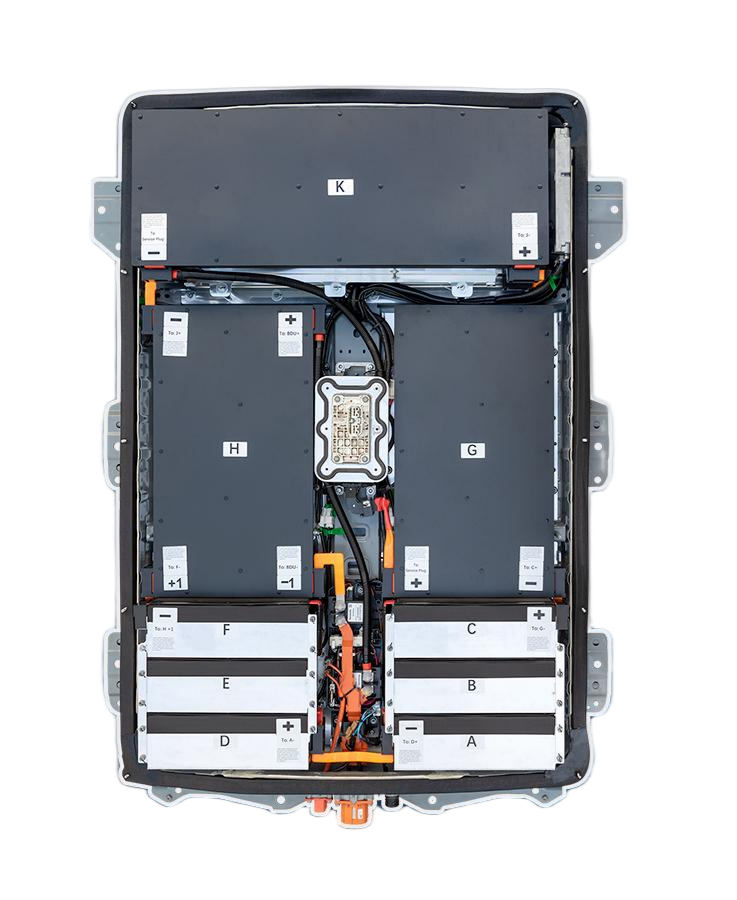
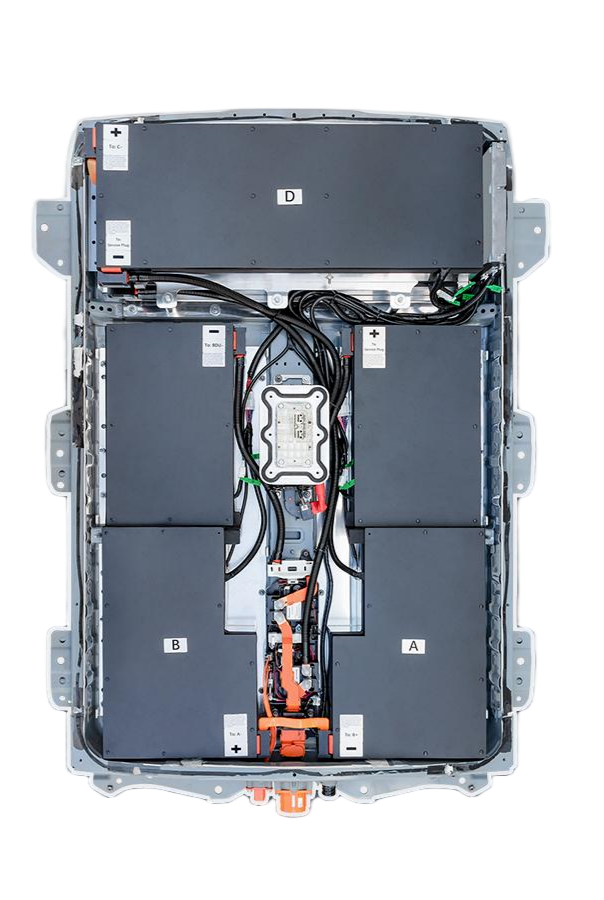
The Ultimate Winter Weapon: The 68kWh Upgrade
If you are currently running on a 30kWh or 40kWh battery, winter is the harshest season. However, upgrading to a 68kWh battery pack transforms your driving experience.
Why is the 68kWh the “Goldilocks” zone for NZ winters?
- Massive Range Buffer: The standard 62kWh Leaf offers roughly 360-380km in ideal conditions. In winter, that can plummet to 250km. The 68kWh upgrade pushes the theoretical range significantly higher. Even with a 30% winter penalty, you are still looking at a usable range of 330-350km, which covers the vast majority of New Zealand driving needs, including trips between cities.
- Heat Pump Efficiency: If your upgraded pack or vehicle setup includes a heat pump (or you use a powerful cabin heater), the 68kWh battery has the headroom to keep you toasty without the panic of a rapidly depleting gauge.
Expert Insight: At CNS BATTERY, we engineer our packs with CATL brand-new cells. Unlike refurbished units that degrade faster in cold temperatures, our high-quality cells maintain better ionic conductivity, giving you a crucial advantage when the mercury drops.
🧣 The 5-Step Winter Survival Strategy
Having the right battery is only half the battle. Here is your tactical checklist for surviving a New Zealand winter.
1. Pre-Conditioning is Non-Negotiable
Do not start driving with a cold battery. If your Leaf is plugged in (which it should be overnight), use the timer or app to pre-heat the battery while it’s still connected to the grid. This serves two purposes:
- It warms the cells to an optimal operating temperature (around 20-25°C).
- It heats the cabin using external power, preserving your battery’s charge for the road.
2. Master the “Cabin Heat” Balance
Heating the cabin is the single biggest drain. Instead of blasting the heater to 25°C:
- Use Seat Warmers: They use significantly less energy than heating the entire air volume.
- Set it to 20°C: This is usually sufficient and much kinder to your kWh meter.
3. Tire Pressure Matters
Cold air contracts. Check your tire pressure weekly. Under-inflated tires increase rolling resistance, which can eat up to 5-10% of your winter range. Keep them inflated to the manufacturer’s maximum recommended pressure (usually found on the driver’s door jamb).
4. Smooth Driving = Warm Driving
Aggressive acceleration causes high current draw, which generates heat but wastes energy through resistance in the cold. Drive smoothly. Gentle acceleration and coasting allow the battery to operate more efficiently and helps retain heat within the pack.
5. Plan for the Terrain
New Zealand is hilly. Remember that going downhill in winter doesn’t recharge your battery as much due to reduced regen. Always plan your routes with a charging buffer, especially in the South Island where distances are longer.
Why Choose a CNS BATTERY 68kWh Pack?
If you are still on the fence about upgrading, consider this: A battery is a long-term investment against depreciation.
We understand that replacing an EV battery is a significant decision. That is why CNS BATTERY focuses on providing a solution that is not just cheaper, but better engineered for longevity.
- OEM Compatibility: Our packs are engineered to fit your Nissan Leaf (ZE0, ZE1, AZE0) perfectly. There is no hacking of the chassis required.
- Zero Fault Reliability: We utilize top-tier CATL cells. These cells have a proven track record of performance in extreme conditions, unlike recycled or low-grade cells that swell or fail in the cold.
- The Warranty Promise: We back our confidence with a 2-year / 80,000 km warranty. This is double the peace of mind offered by most aftermarket suppliers. We guarantee the capacity remains above 70% during this period.
The Math: Replacing a degraded battery with an OEM unit can cost over $16,000 USD. With CNS, you get a brand-new, high-capacity 68kWh pack for roughly 50% of that cost, effectively reviving your car for another decade of reliable service.
🛠️ Technical Support: Your Winter Safety Net
Even with the best preparation, questions arise. Maybe you are wondering if your specific 2014 Leaf ZE0 model is compatible with the 68kWh upgrade, or perhaps you need help interpreting a battery error code.
We are here to help. Our team of technical experts offers personalized consultations.
- Free Compatibility Check: Send us your VIN, and we will confirm the perfect fit for your vehicle.
- Video Call Guidance: Stuck during a DIY installation? We offer remote video support to guide you through the wiring and BMS programming step-by-step.
Don’t let winter dictate your driving life. Upgrade to resilience.
❓ Frequently Asked Questions (FAQ)
Q1: How much range can I realistically expect from a 68kWh Nissan Leaf in New Zealand winter?
A: While the official WLTP range is higher, real-world winter driving in NZ (with heating on) typically yields 330km – 360km for a 68kWh pack. This is significantly better than the 200km you might get from a standard 40kWh battery in the same conditions.
Q2: Is the 68kWh battery upgrade a DIY job, or do I need a mechanic?
A: Many of our customers successfully install the battery themselves. We provide detailed HD video tutorials and color-coded connectors. However, because it involves high voltage, we strongly recommend having it installed by a certified technician if you are not experienced with EVs. If you do DIY, our customer service offers remote video guidance to ensure the BMS programming is done correctly.
Q3: What makes CNS BATTERY different from other aftermarket suppliers?
A: Three things: Cells, Warranty, and Support. We use brand-new CATL cells (the same quality tier used by major OEMs), we offer a market-leading 2-year / 80,000 km warranty, and we provide lifetime technical support. Many competitors use recycled or lower-grade cells with no warranty.
Q4: How long does shipping take to New Zealand?
A: We offer DDP (Delivered Duty Paid) services. Shipping times can vary, typically ranging from 3 to 6 weeks depending on the logistics method chosen (sea freight is economical but slower, air freight is faster). We handle all customs clearance to make it hassle-free for you.
Ready to conquer the cold? Don’t let a shrinking battery gauge limit your adventures. Get a free quote for your Nissan Leaf 68kWh upgrade today and experience a winter without range anxiety.