Why Your Nissan Leaf CANbridge is Failing and How to Repair It
If you drive a Nissan Leaf (specifically the 30kWh models from 2011-2015 or the early 24kWh models), you might have encountered a terrifying dashboard warning: the “CANbridge” error. This error typically appears as a red battery warning light accompanied by a red car symbol or a specific “CANbridge” message on the display.
For many owners, this feels like a death sentence for their car. The CANbridge module is a critical communication gateway between your battery and the rest of the vehicle. When it fails, your car often goes into “limp mode” or refuses to start entirely. As a leading manufacturer specializing in Nissan EV batteries, we at CNS BATTERY understand the panic this causes. This guide will explain why this happens and, more importantly, how to fix it permanently.
What is the CANbridge Module?
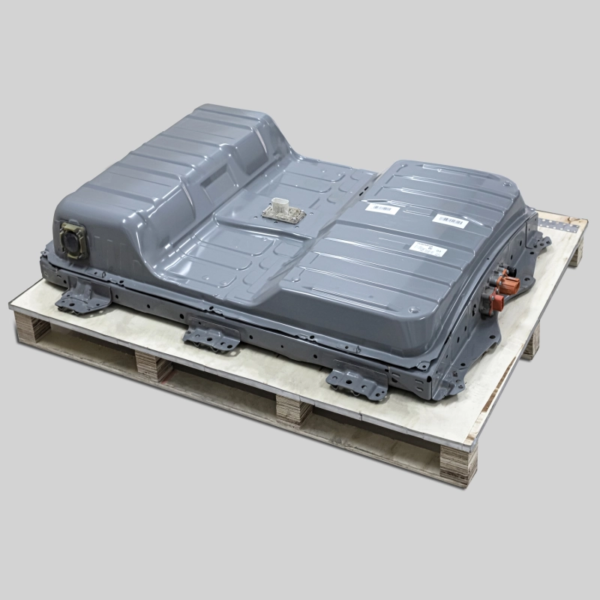
Before we dive into the “why,” let’s clarify the “what.” The CANbridge (Controller Area Network bridge) is a small electronic module located inside the battery pack of early Nissan Leaf models. Its primary job is to translate data between the Battery Management System (BMS) and the car’s main CAN bus network.
Think of it as a translator at a United Nations meeting. If the translator stops working, the battery (one delegate) and the car’s motor/inverter (another delegate) can no longer understand each other. This communication breakdown is what triggers the error lights on your dashboard.
Why Does the CANbridge Fail?
The failure of this module is primarily attributed to corrosion and electrolytic capacitor degradation. These early modules were not designed with the robust environmental sealing required for long-term automotive use.
- Moisture Ingress and Corrosion: The module’s casing can allow moisture to seep in over time. This moisture causes corrosion on the circuit board, particularly around the connectors and solder points. Once corrosion sets in, the electrical connections are broken.
- Capacitor Drying Out: Like all electrolytic capacitors, those in the CANbridge have a limited lifespan. After 8-10 years of operation, these capacitors often dry out or bulge, leading to power instability and communication failure.
- Heat Cycles: The thermal cycling of the battery pack (heating up while driving and cooling down when parked) exacerbates the stress on the solder joints and plastic housing of the module.
The “Band-Aid” vs. The “Cure”
When faced with this failure, owners usually have two options: repair the old battery or replace it entirely.
1. The “Band-Aid” Approach: Module Replacement
Many repair shops will offer to open your old battery pack, remove the corroded CANbridge, and install a new or refurbished module. While this might seem cheaper initially, it comes with significant risks:
- Voided Warranty: Opening the battery pack usually voids any remaining factory warranty.
- Secondary Damage: If the old battery cells are degraded (which they usually are after 10+ years), simply fixing the CANbridge doesn’t solve the range anxiety. You might fix the communication error only to find your range is now only 30-40% of original.
- Recurring Issues: If the root cause of moisture isn’t addressed (which is difficult without remanufacturing the entire pack), the new module might fail again.
2. The “Cure”: Complete Battery Replacement
The most reliable solution, recommended by our technical experts, is to replace the entire battery pack with a modern, compatible unit. This approach eliminates the risk of corrosion because you are using a brand-new, sealed module designed with improved materials.
Why Choose a CNS BATTERY Replacement?
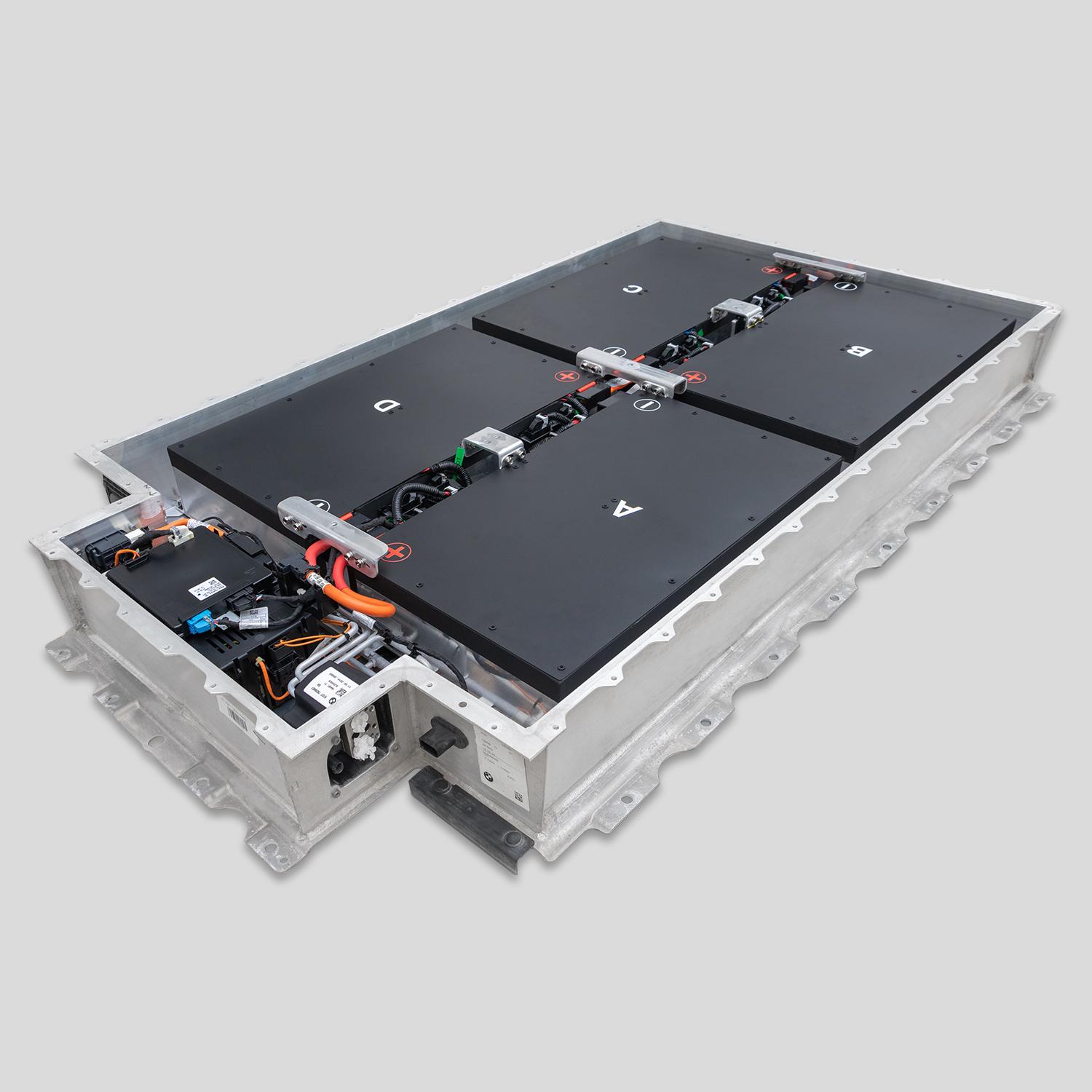
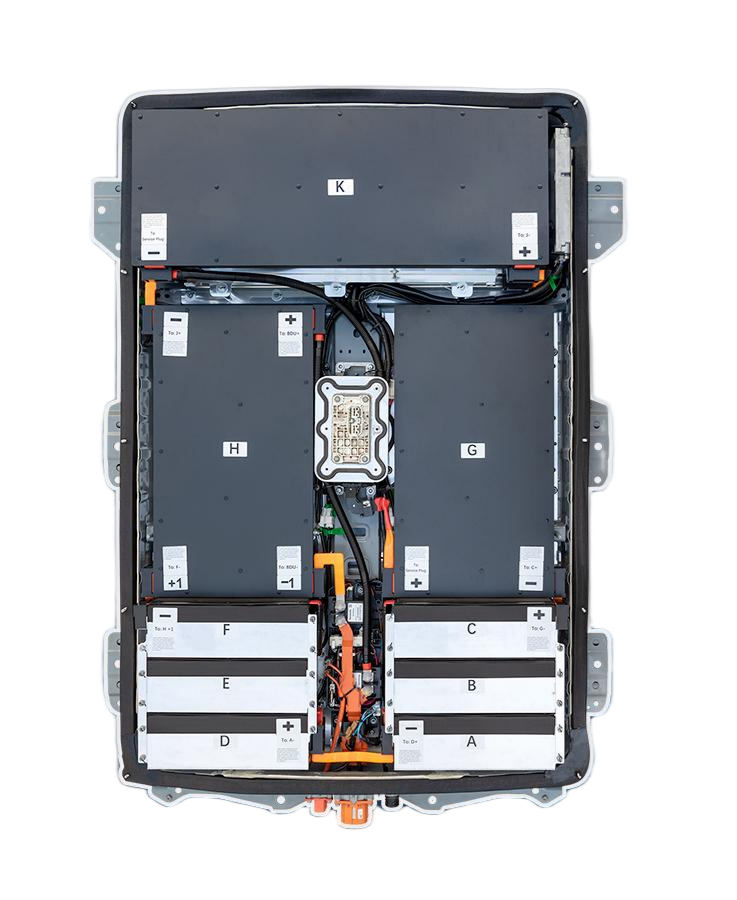
At CNS BATTERY, we specialize in OEM-compatible solutions for Nissan and BMW EVs. We understand that replacing a battery is a significant investment, which is why our solutions are designed to be the superior alternative to expensive OEM replacements or risky repairs.
1. Eliminating the Root Cause
Our Nissan Leaf battery packs (available in 40kWh, 50kWh, and 62kWh variants) are engineered with modern Battery Management Systems that do not rely on the fragile CANbridge architecture of the past. By upgrading, you are not just fixing a broken part; you are modernizing your car’s powertrain.
2. Superior Quality, Half the Price
We utilize brand-new, top-tier cells from CATL, ensuring performance and safety that meets or exceeds factory standards. However, because we cut out the dealership markup, our batteries cost roughly 50% less than an OEM replacement.
3. Zero Failure Rate & Warranty
We back our products with a 2-year / 80,000 km warranty. Unlike repaired batteries or refurbished modules, our packs are built in a controlled environment to prevent the moisture ingress that kills CANbridge modules. Our customers report a near-zero failure rate because we build reliability into every cell and circuit.
4. Seamless Installation
Our batteries are designed for “Plug-and-Play” installation. They are precisely adapted to fit your Leaf’s chassis (ZE0, ZE1, AZE0) without modifications. Furthermore, we offer free VIN compatibility checks to ensure the battery you receive is programmed correctly for your specific vehicle, preventing any communication errors from the start.
Frequently Asked Questions (FAQ)
Q1: Can I just buy a new CANbridge module and install it myself?
While it is technically possible to purchase a standalone CANbridge module, we strongly advise against it for older Leafs. If your car is old enough for the CANbridge to have failed due to corrosion, your battery cells are likely severely degraded as well. Installing a new module might get the car running, but you will likely face poor range and potential cell swelling shortly after. A full pack replacement is the only way to guarantee long-term reliability.
Q2: Will a new battery from CNS BATTERY fix the communication error permanently?
Yes. Our batteries use a modern communication protocol that bypasses the old CANbridge architecture entirely. Since our packs are brand new and sealed, there is no pre-existing corrosion or capacitor degradation. Combined with our 2-year warranty, this provides a permanent solution.
Q3: How much range can I expect after replacing the battery?
This depends on the capacity you choose. Most owners upgrade from the old 24kWh or 30kWh packs to our 40kWh or 62kWh options. Users report a full charge range of approximately 290km (40kWh) or 430km (62kWh), effectively reviving their car to “like new” or even “better than new” condition.
Q4: Is the installation difficult?
Not at all. Most professional mechanics can install the battery in about 1-2 hours. We provide step-by-step installation videos and manuals. For the CANbridge issue specifically, the installation is straightforward: remove the old pack, bolt in the new one, and connect the high-voltage cables. Our team also offers remote video guidance if you encounter any programming issues.
If you are tired of the red warning lights and want a permanent fix for your Nissan Leaf, contact our technical experts today for a free quote and compatibility assessment.