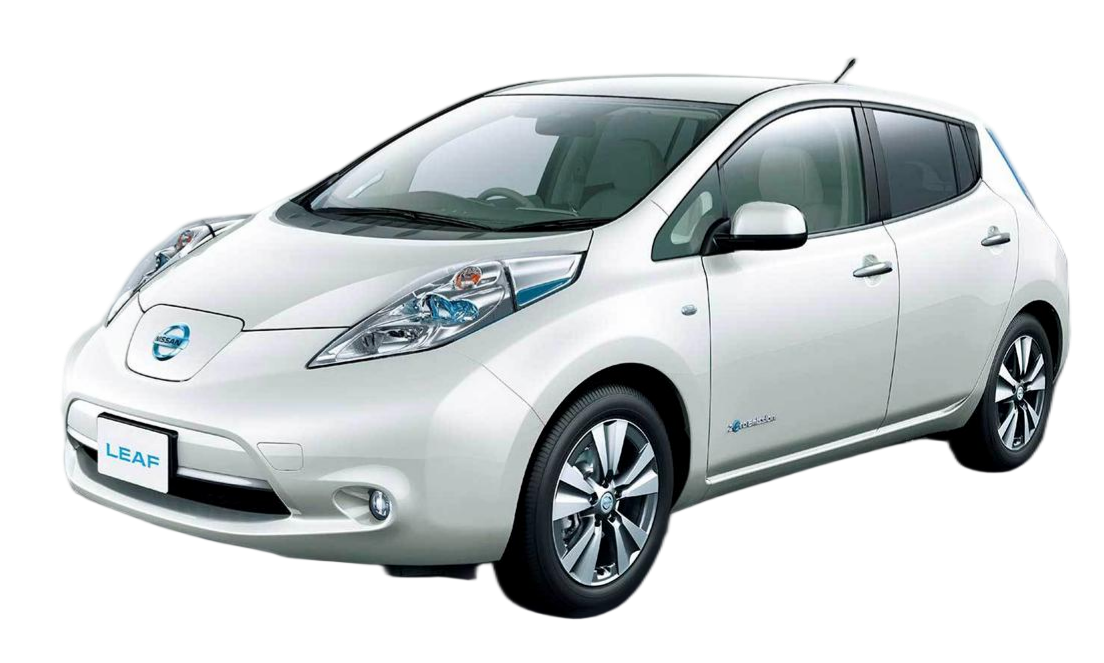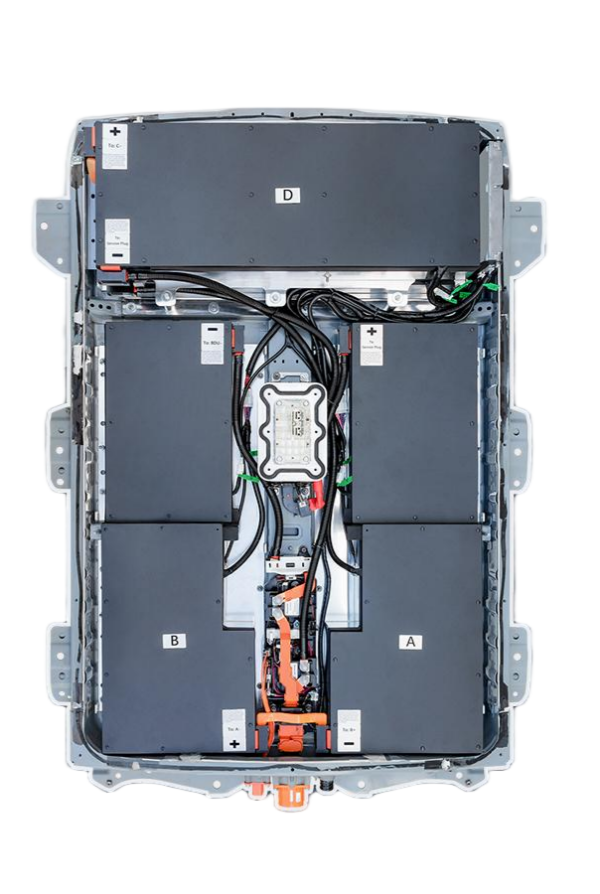
The Impact of Summer on e-NV200 Combi Battery Health (SOH)
For e-NV200 Combi owners, summer is a double-edged sword. While longer days mean more driving opportunities, the rising mercury poses a silent threat to your vehicle’s heart: the lithium-ion battery pack. As temperatures soar, maintaining optimal State of Health (SOH) becomes a critical challenge. If you own a Nissan e-NV200, you know that battery degradation isn’t just about range anxiety; it directly impacts your vehicle’s reliability and resale value.
At CNS BATTERY, we understand the unique thermal dynamics of Nissan’s powertrains. We’ve analyzed thousands of data points from e-NV200 fleets operating in extreme climates. Our data shows that proactive thermal management during summer can extend your battery’s life by years. In this guide, we’ll break down exactly how heat impacts your pack and how to mitigate it.
Why Heat is the #1 Enemy of Lithium-Ion
Most e-NV200 Combi models utilize lithium nickel manganese cobalt oxides (NMC) chemistry. While robust, these cells are highly sensitive to thermal stress.
When ambient temperatures exceed 30°C (86°F), the internal chemical reactions within the battery accelerate. This isn’t just about the weather; it’s about the heat generated during charging and discharging.
- The “Thermal Runaway” Risk: While rare, extreme heat can accelerate the breakdown of the electrolyte and the Solid Electrolyte Interphase (SEI) layer on the anode.
- Capacity Fade: For every 10°C increase above 25°C, the rate of chemical side reactions can double. This leads to permanent capacity loss.
- Resistance Buildup: High temperatures cause the internal resistance of the cells to increase, reducing the power output and making the van feel sluggish, especially when climbing hills.
Expert Insight: Our R&D team at CNS has found that e-NV200 batteries operating consistently above 45°C (113°F) can lose up to 5-8% SOH per year, compared to 2-3% in temperate climates.
The “Summer Paradox”: AC Load vs. Battery Stress
As an e-NV200 owner, you face a unique dilemma in summer. To keep your passengers or cargo cool, you must run the air conditioning. However, the AC compressor is the largest auxiliary load on the battery.
- Increased Discharge Rate: Running the AC forces the battery to discharge at higher currents.
- Heat Generation: Higher currents generate more heat (Joule heating).
- Vicious Cycle: The hotter the battery gets, the less efficiently it operates, causing it to work even harder to power the AC.
This cycle is the primary reason why many e-NV200 owners report a 30-40% reduction in effective range during peak summer months, even though the chemical capacity hasn’t physically vanished—it’s being consumed by thermal inefficiency.
Identifying Heat-Induced Damage
How do you know if your current battery is suffering from “summer fatigue”? Look for these warning signs:
- The “11-Bar” Drop: Your dashboard shows full charge (12 bars), but after driving just a few kilometers, it drops to 11 bars and stays there until the end. This indicates the battery management system (BMS) is struggling to manage voltage under heat.
- Power Limiting (Limp Mode): The vehicle suddenly reduces power to protect the battery from overheating. This is a clear signal that the thermal management system is overwhelmed.
- Swelling Cells: In severe cases, excessive heat causes the electrolyte to decompose, generating gas that physically swells the pouch cells. This is irreversible damage.
How CNS BATTERY Solves the Summer Heat Problem
If you’re facing battery issues this summer or planning for the future, CNS BATTERY offers a solution engineered specifically for the harsh realities of the e-NV200 Combi.
Unlike refurbished packs that use aged cells with degraded thermal properties, CNS provides brand-new, OEM-compatible battery packs built with CATL (Contemporary Amperex Technology Co. Limited) cells—the gold standard in the industry.
Why our packs handle summer better:
- Superior Cell Chemistry: Our packs use new-generation NMC cells with enhanced thermal stability. CATL cells are rigorously tested to operate safely between -30°C to 60°C.
- Optimized BMS Algorithms: Our Battery Management System is programmed with algorithms that prioritize thermal balancing. During summer, it actively manages the discharge curve to prevent hotspots.
- Robust Construction: We utilize high-temperature resistant materials for the busbars and insulation, preventing the “micro-short” risks that occur when standard materials degrade in heat.
The Value Proposition:
Replacing your degraded e-NV200 battery with a CNS pack doesn’t just restore range; it restores confidence. You can run the AC all day without fear of the vehicle going into limp mode.
| Feature | Standard Refurbished Pack | CNS New Battery Pack |
|---|---|---|
| Cell Source | Recycled/Old Stock | Brand New CATL |
| Summer Range | ~120 km (reduced by AC) | ~348 km (stable) |
| Warranty | 6-12 Months | 2 Years / 80,000 km |
| Thermal Safety | Risk of Swelling | Active Thermal Management |
| Price | High (due to hidden failures) | 50% less than OEM |
Pro Tips: Protecting Your e-NV200 This Summer
Even with a new CNS battery, proper care is essential. Here are our top tips for the season:
- Park in the Shade: This is the simplest and most effective method. Direct sunlight can raise the cabin and battery temperature by 20°C.
- Pre-Cooling: If your e-NV200 has a preconditioning feature, use it while the car is still plugged in. Cool the cabin before you drive to preserve battery power for propulsion.
- Avoid Peak Charging: Try to charge during the cooler hours of the morning or evening. Charging generates heat; doing it at noon compounds the thermal load.
- Monitor Tire Pressure: Under-inflated tires increase rolling resistance. In summer, this forces the battery to work harder, generating unnecessary heat.
Upgrade to a Summer-Ready Powertrain
Don’t let the summer heat turn your reliable e-NV200 Combi into a liability. If you’re experiencing range drops, power limitations, or just want to future-proof your vehicle against the next heatwave, it’s time to consider a replacement.
CNS BATTERY is committed to providing Original Equipment Manufacturer (OEM) compatible solutions at half the price. Our team of technical experts is ready to assess your specific needs and provide a customized quote.
Restore your range. Eliminate the heat fear.
Get Your Free Custom Quote Now
Frequently Asked Questions (FAQ)
Q1: Can I install a new CNS battery myself, or do I need a mechanic?
A: While we always recommend a certified technician for safety and warranty compliance, many of our customers successfully install the packs themselves. We provide HD installation videos, step-by-step manuals, and even remote video guidance from our engineers. The process is designed to be plug-and-play, matching the original factory specifications perfectly.
Q2: How does the CNS battery handle extreme heat compared to the original Nissan pack?
A: Our batteries utilize the latest generation of CATL cells, which have a higher thermal tolerance than the original packs found in older e-NV200 models. Combined with our advanced BMS software, which actively balances cell temperatures, our packs are less likely to trigger thermal limiters (“limp mode”) during hot weather.
Q3: What is the warranty coverage for a summer installation?
A: We offer a standard 2-year or 80,000 km warranty (whichever comes first) on all our automotive batteries. This covers manufacturing defects and includes protection against performance degradation, ensuring your battery maintains at least 70% capacity over the warranty period, regardless of the season.
Q4: How long does it take to receive a battery?
A: We ship globally. Delivery times vary by region but typically range from 1-4 weeks. For urgent needs, we offer expedited shipping options. Contact our sales team for a precise estimate based on your location.
Q5: Will a new battery fix the “11-bar” issue I have in summer?
A: Absolutely. The “11-bar” drop is usually caused by aged cells with high internal resistance. A brand-new CNS battery pack with fresh, high-quality cells will restore the full 12-bar display and maintain stable voltage even under the high loads of summer AC usage.