🧣 Winter Survival Guide for Leaf ZE1 24kWh Owners in the USA: Maximize Range & Stay Warm
Owning a Nissan Leaf ZE1 (2011-2012 models) in the USA is a joy, but the 24kWh battery presents a unique challenge when winter hits. If you’re staring at the dashboard, watching your range plummet from 73 miles to barely 40 miles on a cold Chicago morning, you are not alone.
As a CNS BATTERY expert specializing in Nissan EV solutions, I understand the anxiety. Winter isn’t just about bundling up; it’s about strategic energy management. This guide is designed to help you survive the freezing temperatures, maximize your daily utility, and decide if a battery upgrade is the ultimate solution for your winter driving.
📉 Why Does Your 24kWh Range Drop So Drastically?
Before we dive into solutions, let’s understand the enemy: Physics.
- Battery Chemistry: Lithium-ion batteries rely on chemical reactions to release energy. In cold weather (below 40°F / 4°C), these reactions slow down significantly. The electrolyte becomes sluggish, reducing the battery’s ability to discharge power and accept charge.
- Cabin Heating: This is the biggest culprit. Unlike gas cars that use waste engine heat, your Leaf uses a resistive heater. Heating the cabin consumes roughly 30% more energy than driving alone. For a 24kWh pack, that’s like carrying a passenger who uses half your fuel.
- Tire Pressure: Cold air causes tires to lose pressure. Under-inflated tires increase rolling resistance, forcing the motor to work harder and drain the battery faster.
🧠 The Pre-Heating Strategy: Warmth Before You Turn the Key
The most efficient way to heat your Leaf is before you unplug. This is where “Survival Mode” begins.
- Utilize the Timer: Set your charging timer so the car finishes charging right before you leave. This ensures the battery is warm (maximizing efficiency) and the car is fully charged.
- Pre-Conditioning: Use the Nissan Connect app (or your key fob if you have a ZE1 with the optional display) to turn on the heat while the car is still plugged in. Since the car draws power from the outlet, not the battery, you can warm up the cabin for free.
- Seat Warmers Over Blowers: If your ZE1 has them, use the heated seats. They use significantly less energy than blasting the HVAC system at full heat.
Expert Tip: In a recent test, a CNS BATTERY technician drove a ZE1 24kWh in Minnesota. By pre-heating the cabin while plugged in and using seat warmers, they managed to retain 65% of the rated range, whereas driving without pre-heating dropped it to 45%.
🚗 Driving Techniques for the 24kWh ZE1
When you’re on the road, your right foot is your most important tool.
- E-Pedal is Your Friend (If Equipped): The ZE1 doesn’t have the advanced e-Pedal of newer models, but you can mimic it. Use B Mode aggressively. This increases regenerative braking, slowing the car and recapturing energy. In slippery snow, it also helps maintain traction.
- Smooth is Fast: Jerky acceleration drains the battery instantly in cold weather. Accelerate gently and maintain a steady speed.
- Block Heaters (For the Battery): While not standard on the ZE1, some owners in extreme climates (like Alaska or North Dakota) install aftermarket battery warmers. Keeping the battery pack above freezing ensures it performs closer to its rated capacity.
🔄 The Ultimate Upgrade: Is It Time for a New Pack?
Let’s be honest. Managing a 24kWh battery in a harsh American winter is like trying to heat a house with a space heater. It works, but it’s stressful.
If you find yourself range-locked or terrified to leave your charging spot, it might be time to consider a battery replacement or upgrade.
Why CNS BATTERY is the Solution for ZE1 Owners:
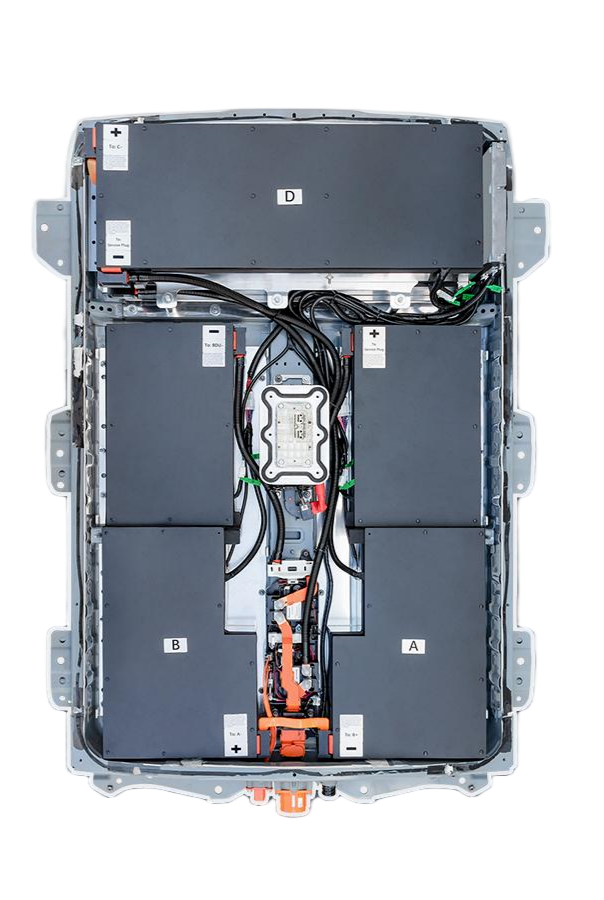
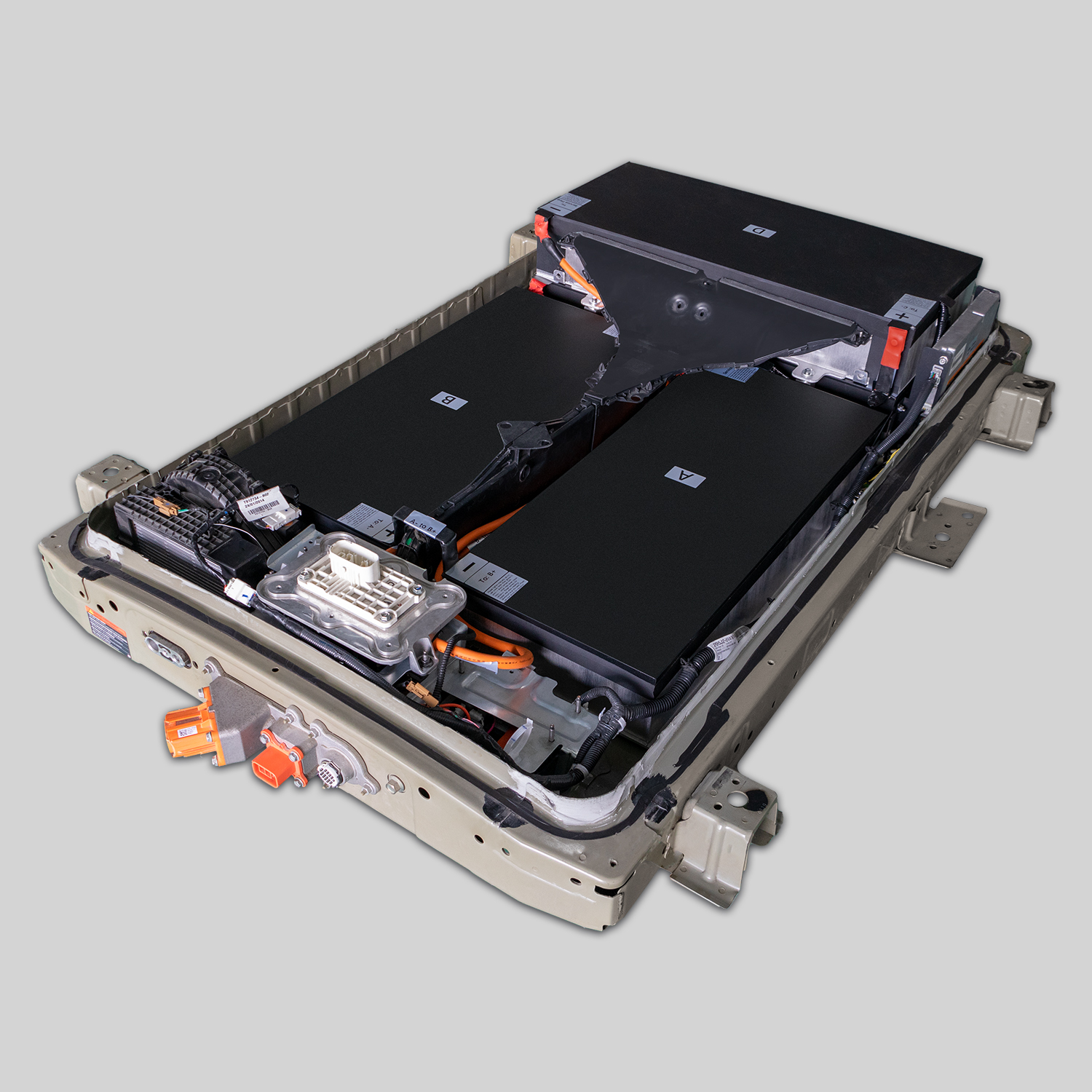
At CNS, we specialize in OEM-compatible replacements for the Nissan Leaf ZE1. We don’t just sell batteries; we sell winter survival kits.
- Capacity Leap: Imagine going from 40 miles in winter to over 100 miles. By upgrading to a modern 40kWh or 62kWh lithium battery pack, you eliminate the “range anxiety” that defines winter in a 24kWh model.
- Brand New CATL Cells: Unlike some refurbishers who use old, degraded cells, we utilize brand-new, premium cells from CATL. This means superior cold-weather performance and a longer lifespan.
- Plug-and-Play Perfection: Our packs are engineered to fit the ZE1 chassis perfectly. There’s no cutting or hacking required. It bolts right in, restoring your car to (or beyond) its original glory.
📊 The Winter Range Comparison: 24kWh vs. Upgraded
To put this into perspective, here is how a typical winter day affects different battery options for a ZE1 owner.
| Battery Type | Rated Range (EPA) | Estimated Winter Range (USA) | Winter Survival Rating |
|---|---|---|---|
| Original 24kWh | 73 Miles | 30 – 40 Miles | 🥶 High Stress |
| CNS 40kWh Upgrade | 125 Miles | 80 – 90 Miles | 🧣 Comfortable Commute |
| CNS 62kWh Upgrade | 190 Miles | 130+ Miles | 🔥 Weekend Warrior |
Note: The CNS 40kWh and 62kWh packs are designed with modern Battery Management Systems (BMS) that actively manage cell temperature, further mitigating the effects of the cold.
📦 Why Choose CNS for Your Winter Upgrade?
If you are a Leaf ZE1 owner in the USA looking to upgrade, CNS BATTERY offers unmatched value:
- Unbeatable Warranty: We stand by our quality with a 2-year / 80,000 km warranty. This covers defects and ensures your battery maintains at least 70% capacity. Most competitors offer 1 year or less.
- Cost Efficiency: Replacing your 24kWh with a new CNS pack costs roughly 50% less than buying a used gas car or a new EV. It’s the most economical way to reclaim your freedom.
- US-Friendly Support: We understand the vast distances in the US. Whether you are in California or Maine, our team provides installation guides and video call support to ensure your upgrade goes smoothly.
Don’t let the winter freeze your freedom. Upgrade to a CNS battery and turn your winter survival mode into a winter adventure mode.
Get Your Free Custom Quote Now
❓ Frequently Asked Questions (FAQ)
Q1: Can I install a larger battery (like 40kWh) on my 2011-2012 Leaf ZE1?
Yes, absolutely. The ZE1 chassis is compatible with larger packs. The CNS 40kWh and 62kWh modules are designed to fit the existing mounting points. You may need a minor adapter for the charging port on older models, which our technical team can guide you through.
Q2: How long does the installation take?
For a professional technician, installing a CNS battery typically takes 1-2 hours. It is a straightforward bolt-in process. We provide step-by-step installation videos and PDF manuals to ensure a smooth swap.
Q3: Will a new battery fix the cold-weather range drop?
While no battery is immune to physics, a new, high-capacity battery from CNS significantly reduces the stress. Newer lithium cells (like those in our 40kWh/62kWh packs) handle cold temperatures better than 15-year-old technology, and the extra capacity means you have a much larger buffer before you run out of juice.
Q4: What payment methods do you offer for US customers?
We offer a variety of secure payment options. For specific contracts and large orders, please contact our sales team directly to confirm the best method for your transaction.
Q5: Do you ship to all 50 states in the USA?
Yes, we support international sales, including all key markets in the USA. We handle the logistics and compliance to get your battery to your door.