The Impact of Freezing Temperatures on Nissan Leaf Battery Health (SOH)
“My Leaf’s range dropped from 150 miles to 70 miles overnight!”
If you live in a region with harsh winters, this scenario likely sounds familiar. You’re not imagining things, and your battery isn’t broken. Freezing temperatures have a profound, often misunderstood, impact on Lithium-ion battery chemistry. As a leading OEM-compatible battery manufacturer specializing in Nissan and BMW EVs, we at CNS BATTERY have analyzed thousands of data points regarding Battery State of Health (SOH) in cold climates.
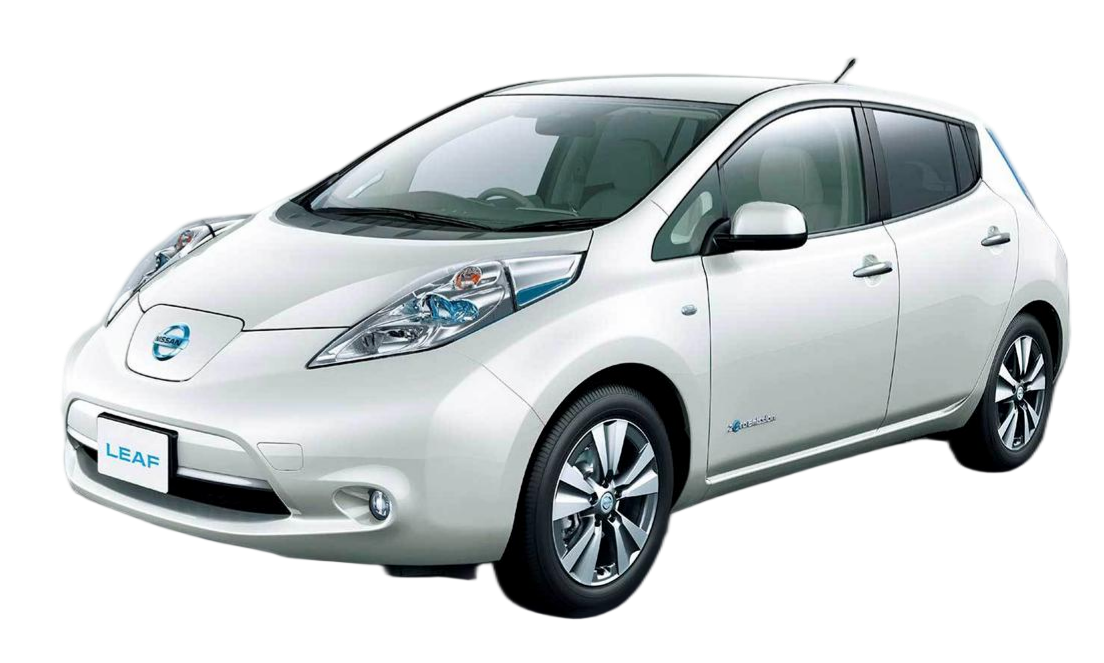
This guide will explain the science behind the “winter range anxiety” and, more importantly, provide you with actionable strategies to protect your investment. Whether you drive a Nissan Leaf ZE0, ZE1, AZE0, or e-NV200, understanding these dynamics is crucial for maintaining long-term battery health.
🧪 Why Does Cold Weather Kill My Range?
To understand the impact on SOH, we must first differentiate between “usable range” and “actual capacity loss.”
When the temperature drops below freezing (0°C / 32°F), the electrolyte inside the Lithium-ion cells becomes sluggish. The chemical reactions that generate electricity slow down significantly.
- Increased Internal Resistance: The battery fights harder to push electrons out. This resistance generates heat (which is good for the battery, but bad for efficiency) and results in immediate range loss.
- Cabin Heating: Unlike gasoline cars that use waste engine heat, EVs require a significant amount of battery power to heat the cabin. This can consume an additional 20-30% of your charge in winter.
- Regenerative Braking Reduction: Most EVs disable or reduce regenerative braking in extreme cold to protect the cells from charging when they are too cold and brittle. This means you lose one of the primary ways to recapture energy while driving.
Key Insight: Much of the range loss you see in winter is reversible. Once the battery warms up, the range typically returns. However, repeated deep discharges in freezing conditions can cause permanent damage to the State of Health (SOH).
❄️ The Hidden Danger: “Lithium Plating”
While range loss is annoying, the real threat to your Nissan Leaf Battery is a phenomenon called Lithium Plating.
If you attempt to charge a cold battery (below 0°C) at high speeds, or if the Battery Management System (BMS) doesn’t properly precondition the cells, metallic lithium can plate onto the anode instead of intercalating into it. This is irreversible.
The Consequences:
- Permanent Capacity Loss: Each time lithium plating occurs, your battery loses a tiny fraction of its total capacity permanently.
- Accelerated Aging: A battery subjected to frequent freezing cycles without proper thermal management will age much faster than one kept in a moderate climate.
- Safety Risks: In extreme cases, lithium plating can create dendrites that pierce the separator, leading to internal short circuits.
🛡️ How to Protect Your Battery SOH This Winter
Don’t panic. There are specific steps you can take to mitigate these effects and ensure your EV battery lasts for years to come.
1. Park Indoors or Use a Garage
This is the single most effective strategy. Keeping your car in a garage, even if it’s unheated, provides significant insulation from the wind chill. If you have a driveway, consider investing in an insulated car cover.
2. Avoid Deep Discharges
In summer, driving your battery down to 20% might be fine. In winter, do not let your battery drop below 20%. The increased resistance means that hitting “0%” in winter can actually mean you are physically draining the cells to a dangerous voltage level, which causes permanent damage.
3. Precondition the Battery While Plugged In
Always plug in your car immediately after arriving home. Set a timer on your charging station or vehicle app to start charging before you need to leave. This allows the battery’s internal heater (if equipped) or the charging current to warm the cells to an optimal temperature (around 20-25°C) before you unplug and drive. Driving with a warm battery significantly reduces the range penalty.
4. Embrace “Eco” Mode
Use Eco mode aggressively in winter. It limits the power output, reducing the internal resistance heat loss and helping you squeeze every last mile out of the charge.
🔋 The Ultimate Winter Solution: Upgrade Your Pack
If you are tired of the winter range anxiety or if your current Nissan Leaf battery has degraded significantly due to years of cold weather, it might be time for an upgrade.
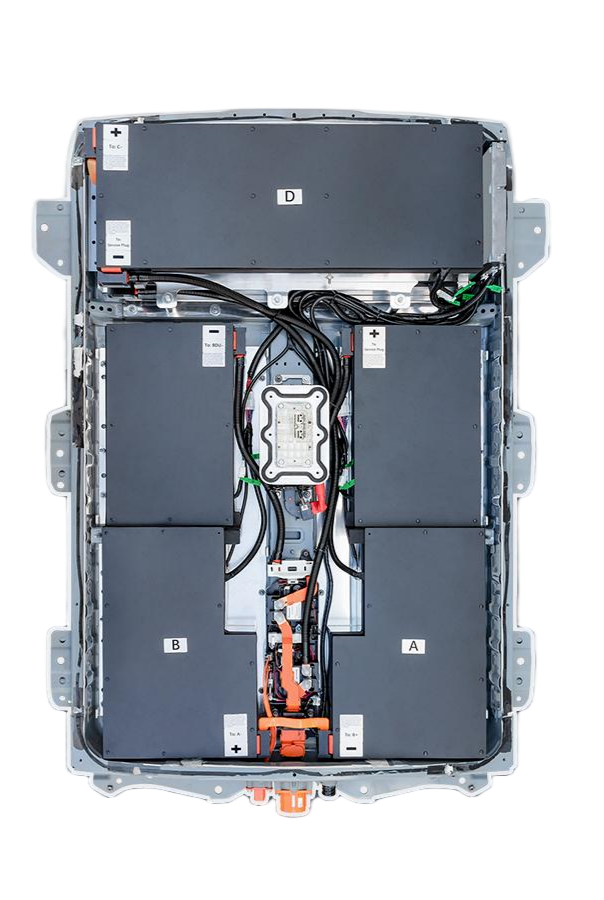
At CNS BATTERY, we specialize in manufacturing OEM-compatible replacement batteries for Nissan and BMW models. Our packs are engineered with advanced thermal management systems to handle a wider range of climates compared to older generation Leaf batteries.
Why choose a CNS replacement?
- Higher Capacity Options: Upgrade from a degraded 24kWh or 30kWh pack to a brand new 40kWh, 50kWh, or 62kWh lithium battery. More capacity means more buffer for winter losses.
- CATL Grade-A Cells: We use brand new, top-tier cells known for their stability and longevity, not recycled or refurbished cells.
- Cost Efficiency: Save over 50% compared to dealership prices, without sacrificing safety or compatibility.
🛠️ Maintenance Tips for e-NV200 and Older Leaf Models
For owners of the Nissan e-NV200 or early ZE0/ZEO Leafs, winter maintenance is even more critical due to the lack of active liquid cooling in some variants.
- Check the Cabin Filter: A clogged cabin air filter forces the heater to work harder, draining more battery. Replace it annually.
- Seat Warmers > Cabin Heat: If your model has them, use heated seats and a heated steering wheel. They use a fraction of the energy that heating the entire cabin does.
- Tire Pressure: Cold air reduces tire pressure. Under-inflated tires increase rolling resistance, which is a major drain on EV range in winter. Check your pressure weekly.
📝 Conclusion
Freezing temperatures are a reality for many EV drivers, but they don’t have to be a death sentence for your Battery SOH. By understanding the science of lithium-ion chemistry and adopting smarter charging and driving habits, you can protect your investment.
If your current battery is struggling to hold a charge even in summer, or if you simply want the peace of mind that comes with a larger, modern capacity pack, CNS BATTERY is here to help. We provide reliable, high-performance solutions designed to keep you moving, no matter the weather.
Don’t let the cold slow you down. Explore our range of Nissan Leaf and e-NV200 battery upgrades today.
Get Your Free Custom Quote Now
❓ Frequently Asked Questions (FAQ)
Q1: Is it bad to leave my Nissan Leaf outside in the winter?
A: It’s not ideal. While modern batteries have管理系统 (BMS) to protect them, prolonged exposure to sub-zero temperatures drastically reduces range and can cause long-term degradation if the battery is frequently deeply discharged. If you must park outside, try to park facing the sun and keep the charge level above 50% when not in use.
Q2: Should I charge my EV in the rain or snow?
A: Yes, it is perfectly safe. EV charging ports and cables are rigorously tested for water resistance (IP67 rating or higher). However, if there is ice buildup on the charging port door or the connector, do not force it. Use the car’s defrost function to melt the ice first.
Q3: Do I need a special charger for winter?
A: You don’t need a special physical charger, but you do need a strategy. Using a Level 2 (240V) charger is better than Level 1 in winter because it allows you to utilize the “timed charging” feature to precondition the battery before departure.
Q4: Can a frozen battery explode?
A: No, a frozen battery will not explode. However, attempting to charge a frozen battery can be dangerous as it can cause internal short circuits. Most modern BMS systems (including those in CNS batteries) will prevent charging if the temperature is too low until the pack is warmed up.
Q5: How do I know if my battery health (SOH) has been permanently damaged by cold?
A: If, after consistently keeping your car plugged in during a warm spell (or driving for 20+ miles on a warm day), your range does not recover to at least 80% of the original advertised range, the cells may have suffered permanent chemical degradation or lithium plating.