The Future of Nissan Leaf in Canada: Battery Swaps vs New Sales
The Nissan Leaf is at a crossroads in Canada. As the pioneer of mass-market electric vehicles, the first generation of Leafs (especially the ZE0 and ZE1 models) are now facing the inevitable reality of battery degradation. For Canadian owners, the choice is stark: watch your beloved EV become a garage ornament, or invest in a future that keeps you driving emission-free.
This article cuts through the noise to analyze the two primary paths for the future of the Nissan Leaf in the Canadian market: the traditional route of selling your car for scrap value versus the innovative, cost-effective solution of a battery swap.
📉 The Canadian Reality: Why “New Sales” Are Fading for Early Adopters
Let’s face the facts. If you own a 2011-2017 Nissan Leaf (ZE0) or a 2018-2022 model (ZE1) in Canada, you are likely experiencing “range anxiety” in a literal sense.
- Degradation is Real: After 8-10 years, the original battery packs often drop to 50-60% capacity. A car that once had a 170km range might now struggle to hit 100km on a good day.
- The Resale Trap: The Canadian used car market has adjusted to this. A Leaf with a degraded battery has a scrap value, not a resale value. You are essentially trading your car for pennies on the dollar to a recycler.
- The “New Car” Financial Hurdle: Buying a brand-new EV in 2026 is expensive. With interest rates and inflation, the financial jump from a paid-off Leaf to a new Tesla or Hyundai Ioniq is a massive barrier for many middle-class Canadian families.
The Verdict on New Sales: For the average Leaf owner, simply selling the car and buying new is often not a financially viable “future.” It breaks the bank and sends a functional chassis to the crusher.
🔋 The Future is Rebuilding: Why Battery Swaps Are Winning in Canada
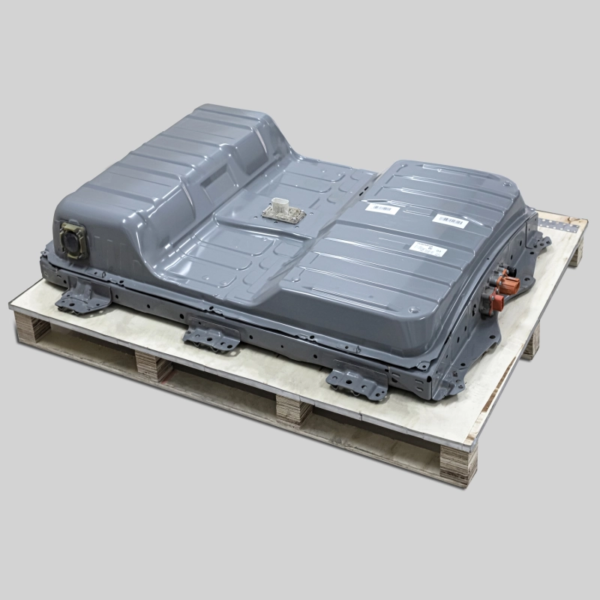
The true future of the Nissan Leaf in Canada lies in refurbishment, specifically battery swapping. Instead of replacing the entire vehicle, you replace the worn-out component: the battery.
Here is why this is becoming the dominant trend for Canadian EV owners:
1. Economic Sense
Replacing a battery costs a fraction of a new car. While a new EV might set you back $50,000+, a high-quality replacement battery can revive your Leaf for under $10,000 CAD (often closer to $7,000-$8,000 USD depending on the model).
2. Environmental Responsibility
Canada has strict environmental regulations. Crushing a perfectly good car body with functional motors, suspension, and interiors just because the battery is dead is wasteful. Battery swapping is the ultimate form of recycling, aligning with Canada’s push for a circular economy.
3. Technological Upgrades
This isn’t just about replacing old with old. The future allows you to upgrade. You can take a 2014 Nissan Leaf ZE0 with a 24kWh degraded pack and swap in a brand new 62kWh or 68kWh Lithium-ion pack. Suddenly, your “old” car has a range that rivals modern EVs.
📊 The Cost Comparison: New Purchase vs. Battery Swap
To visualize the financial impact, let’s compare the two scenarios for a Canadian family.
| Feature | Option A: Buy a New EV | Option B: Battery Swap (CNS Solution) |
|---|---|---|
| Upfront Cost | $50,000 – $70,000+ CAD | $7,000 – $10,000 USD |
| Existing Asset | Lost (Sold for scrap value) | Retained and Revived |
| Range Outcome | New car range (e.g., 400km+) | Upgraded Range (e.g., 400km+) |
| Environmental Impact | High (New manufacturing footprint) | Low (Reusing 90% of the vehicle) |
| Time to Drive | Weeks (ordering, delivery) | Days (Ordering, installation) |
🛠️ The CNS Battery Advantage for Canadian Leafs
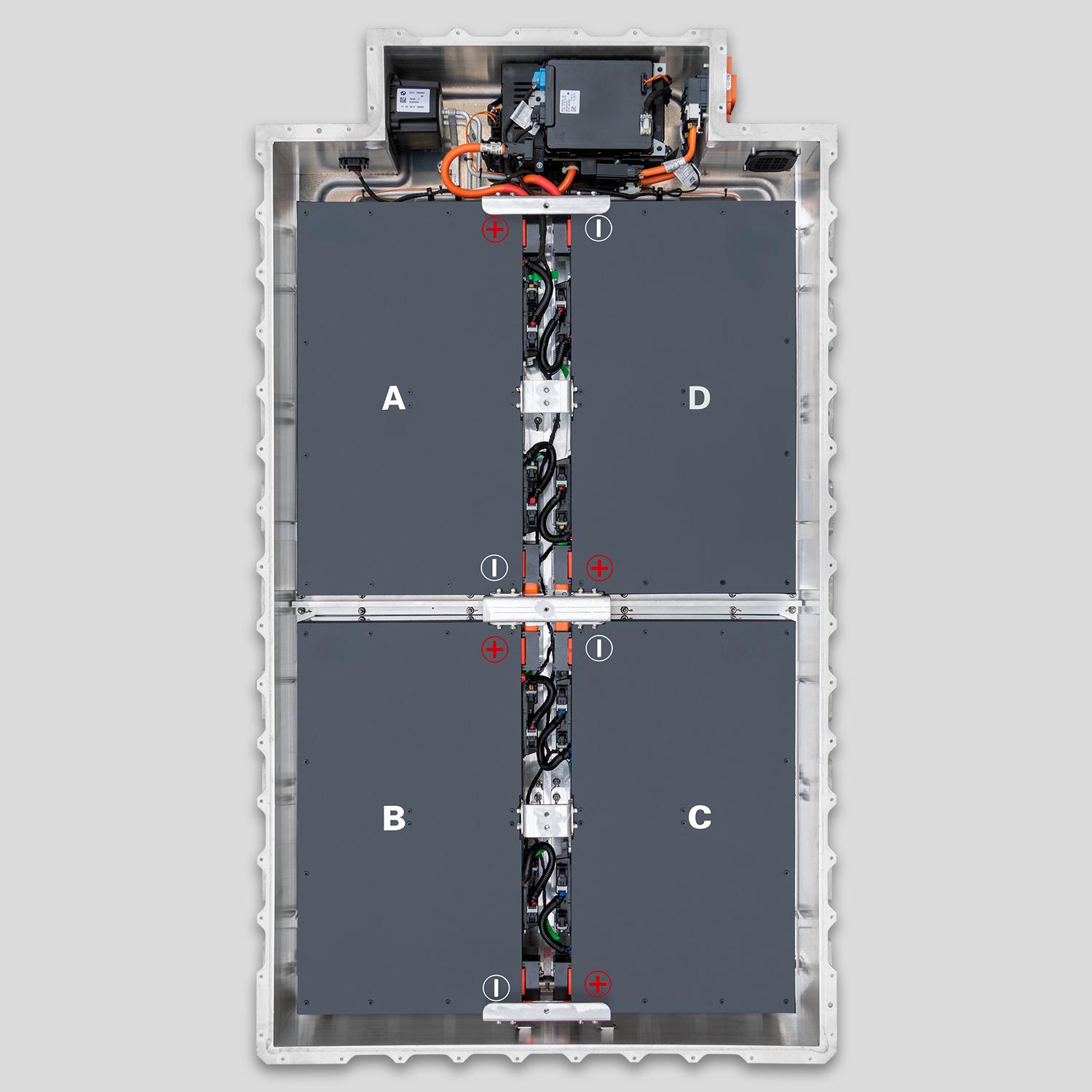
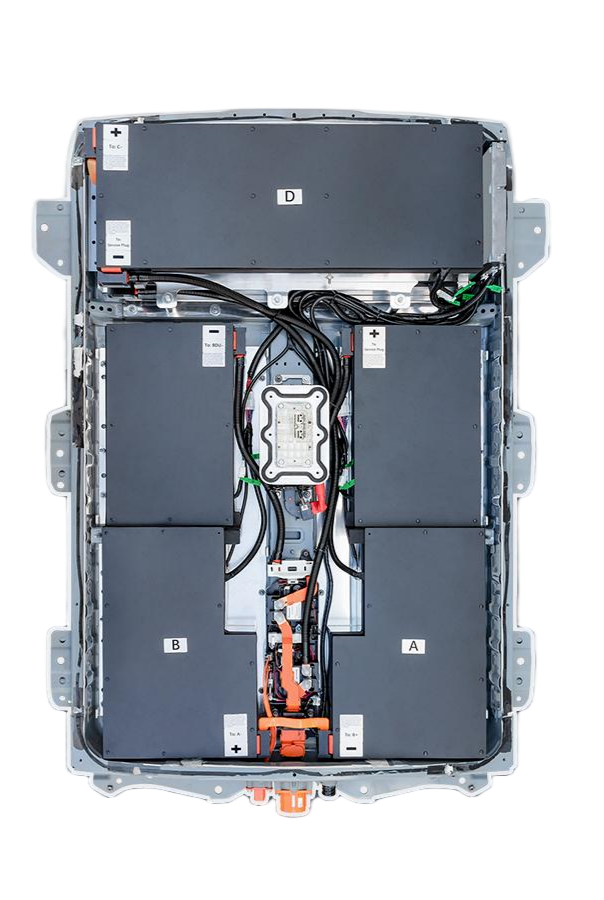
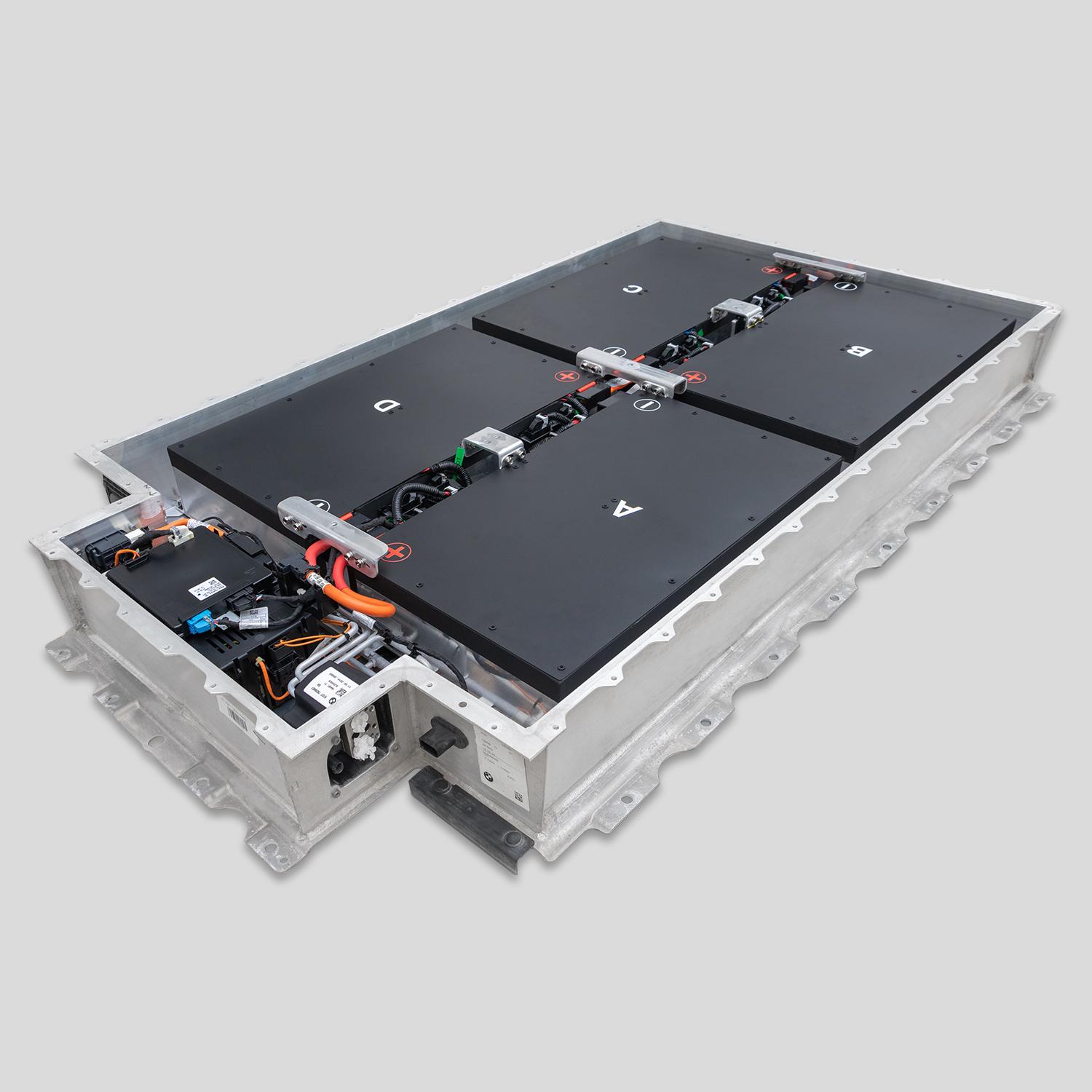
When you decide to swap your battery, the quality of the replacement is paramount, especially for the harsh Canadian climate. At CNS BATTERY, we specialize in OEM-compatible solutions designed specifically for Nissan Leafs (ZE0, ZE1, AZE0) and BMW i3s.
Why Canadian Leafs Choose CNS:
- Brand New CATL Cells: We don’t use recycled or refurbished cells. Our packs utilize brand new, top-tier CATL lithium-ion cells. This ensures maximum energy density and longevity, capable of handling the cold winters and hot summers across Canada.
- Plug-and-Play Compatibility: We understand Canadian mechanics and DIYers. Our packs are engineered to be plug-and-play. They match the OEM voltage, capacity, and interface perfectly. There is no need for complex modifications to your Leaf’s software or wiring harness.
- Unbeatable Warranty: We stand by our product with a 2-year / 80,000 km warranty. This far exceeds the coverage offered by most refurbished battery sellers and gives you peace of mind knowing your investment is protected.
- Range Upgrades: Why go back to stock? We offer 40kWh, 50kWh, 62kWh, and 68kWh options. You can transform your Leaf into a long-range vehicle that can handle cross-town commutes or even highway trips comfortably.
Expert Insight: “We see it every day. A customer comes to us heartbroken because their Leaf’s range dropped below 100km. After installing our 62kWh pack, they report a full charge range of over 400km. It is not just a repair; it is a resurrection of their electric dream.” – CNS Battery Technical Team.
📝 The Path Forward: Your Action Plan
The future of the Nissan Leaf in Canada is bright, but only if owners take action. Instead of contributing to the scrap heap, you have the power to extend the life of your vehicle.
If you are sitting on a Leaf with a degraded battery, don’t sell it. Swap it.
Simple Steps to Revive Your Leaf:
- Assess: Check your model (ZE0, ZE1, or AZE0).
- Choose: Decide if you want to stick with the original capacity or upgrade to a higher kWh (like 62kWh).
- Install: Use our detailed video guides or find a local Canadian mechanic for a 1-2 hour installation.
Ready to bring your Nissan Leaf back to life with a brand new battery?
👉 Get Your Free Custom Quote Now
❓ Frequently Asked Questions (FAQ)
Q1: Is it legal to replace the battery in my Nissan Leaf in Canada?
Yes, it is perfectly legal to replace the battery in your vehicle. As long as the replacement battery meets safety standards and fits the vehicle’s specifications (voltage, dimensions), there are no legal barriers. CNS batteries are designed to OEM specifications, ensuring a safe and legal fit.
Q2: How long does a new CNS battery last in Canadian weather?
Our batteries use brand new CATL cells with a robust Battery Management System (BMS). In Canadian conditions, you can expect the battery to last well beyond the 2-year warranty period. The BMS is designed to manage thermal conditions, protecting the cells during both freezing winters and hot summers.
Q3: Can I install the battery myself?
Absolutely. Many of our Canadian customers are DIY enthusiasts. The installation typically takes 1-2 hours. We provide high-definition installation videos and step-by-step manuals. If you encounter any issues during BMS programming, our customer service team offers remote video guidance to walk you through it.
Q4: Will a battery swap affect my car’s warranty or safety systems?
A properly installed OEM-spec battery will not trigger safety faults. CNS batteries are engineered to communicate seamlessly with the Leaf’s existing systems. However, if your car is still under the original manufacturer’s warranty, we recommend checking the specific terms, though most Leafs requiring this service are well out of the factory warranty period.
Q5: How much range will I get after the swap?
This depends on the pack you choose. For example:
- 40kWh Pack: Approx. 240-270 km range.
- 62kWh Pack: Approx. 400-430 km range.
- 68kWh Pack: Approx. 450-470 km range.
(Note: Real-world range varies based on driving style, temperature, and AC/heating usage.)