Revitalize Your Leaf ZE0: The Ultimate Guide to 24kWh Upgrades
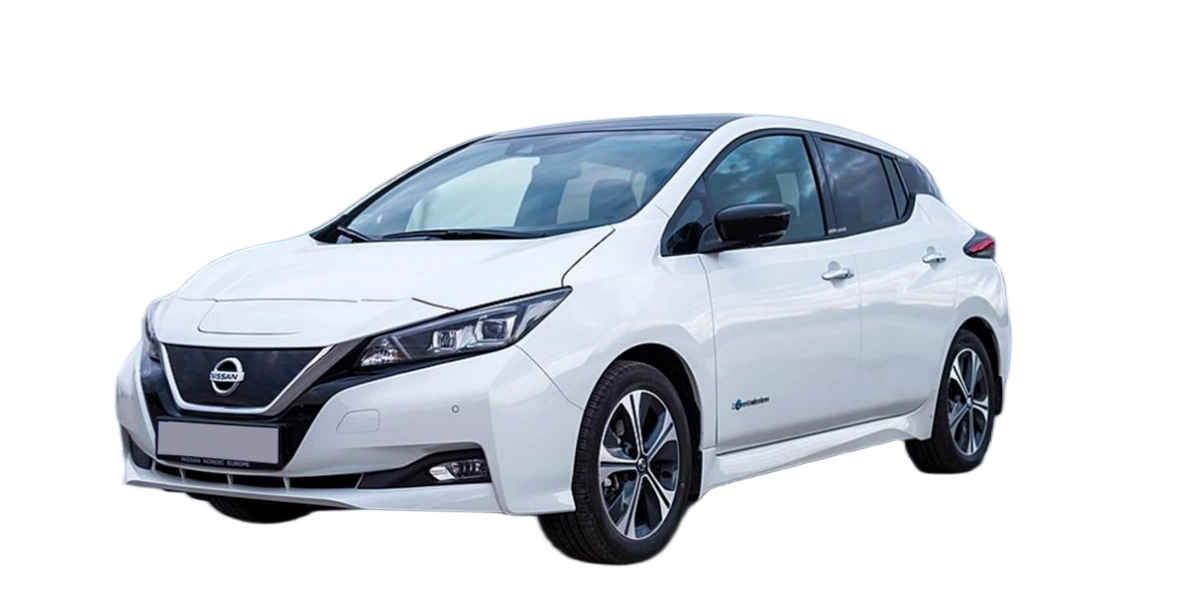
The Nissan Leaf ZE0 (first generation) holds a special place in automotive history. It was the car that introduced the world to mass-market electric mobility. However, if you are reading this in 2026, you are likely facing a common reality: the original 24kWh battery has significantly degraded, and the driving range is no longer sufficient for daily life.
The good news? You don’t need to scrap a perfectly good car or buy a new EV. As a battery expert, I have seen a rising trend where owners are boosting their Leaf ZE0’s residual value by retrofitting high-capacity battery packs. This isn’t just about getting more miles; it is about transforming a budget commuter into a capable, modern electric vehicle.
Here is everything you need to know about upgrading your ZE0 with a modern 24kWh equivalent (or higher) solution.
Why the 2011-2015 Leaf ZE0 is Still Worth Saving
Before we dive into the technical details, let’s address the elephant in the room: Why upgrade instead of replacing?
- Sentimental Value: The ZE0 was a pioneer. Many owners have a deep connection with the car that newer models can’t replicate.
- Cost Efficiency: Even in 2026, buying a used Leaf ZE0 and installing a new pack is significantly cheaper than purchasing a used 2023+ EV.
- Sustainability: Retrofitting is the ultimate form of recycling. It reduces the demand for new raw materials and keeps a functional chassis on the road.
However, the original 24kWh pack suffers from “range anxiety” even when new (approx. 73 miles EPA). After a decade of use, that range often drops below 50 miles, rendering the car nearly useless for errands.
The “24kWh” Upgrade Myth: What You Really Need
When we talk about a “24kWh upgrade” for the ZE0, we are usually referring to increasing the capacity to match or exceed the performance of later Leaf generations.
The market standard for this upgrade has shifted from simple refurbishment to complete replacement with modern lithium-ion technology. Here is the breakdown of what a professional upgrade entails:
- Cell Chemistry: Moving from the original LMO (Lithium Manganese Oxide) cells to NMC (Nickel Manganese Cobalt) or LFP (Lithium Iron Phosphate). NMC offers higher energy density (more range), while LFP offers longer cycle life and better thermal stability.
- Capacity Boost: Installing a pack that effectively functions as a 40kWh or 62kWh unit in the ZE0 chassis. This restores the range to 120-150 miles, making the car viable again.
- BMS Integration: The Battery Management System (BMS) is the brain of the battery. A successful upgrade requires a BMS that is perfectly calibrated to communicate with the Leaf ZE0’s Vehicle Control Unit (VCU) to avoid error codes.
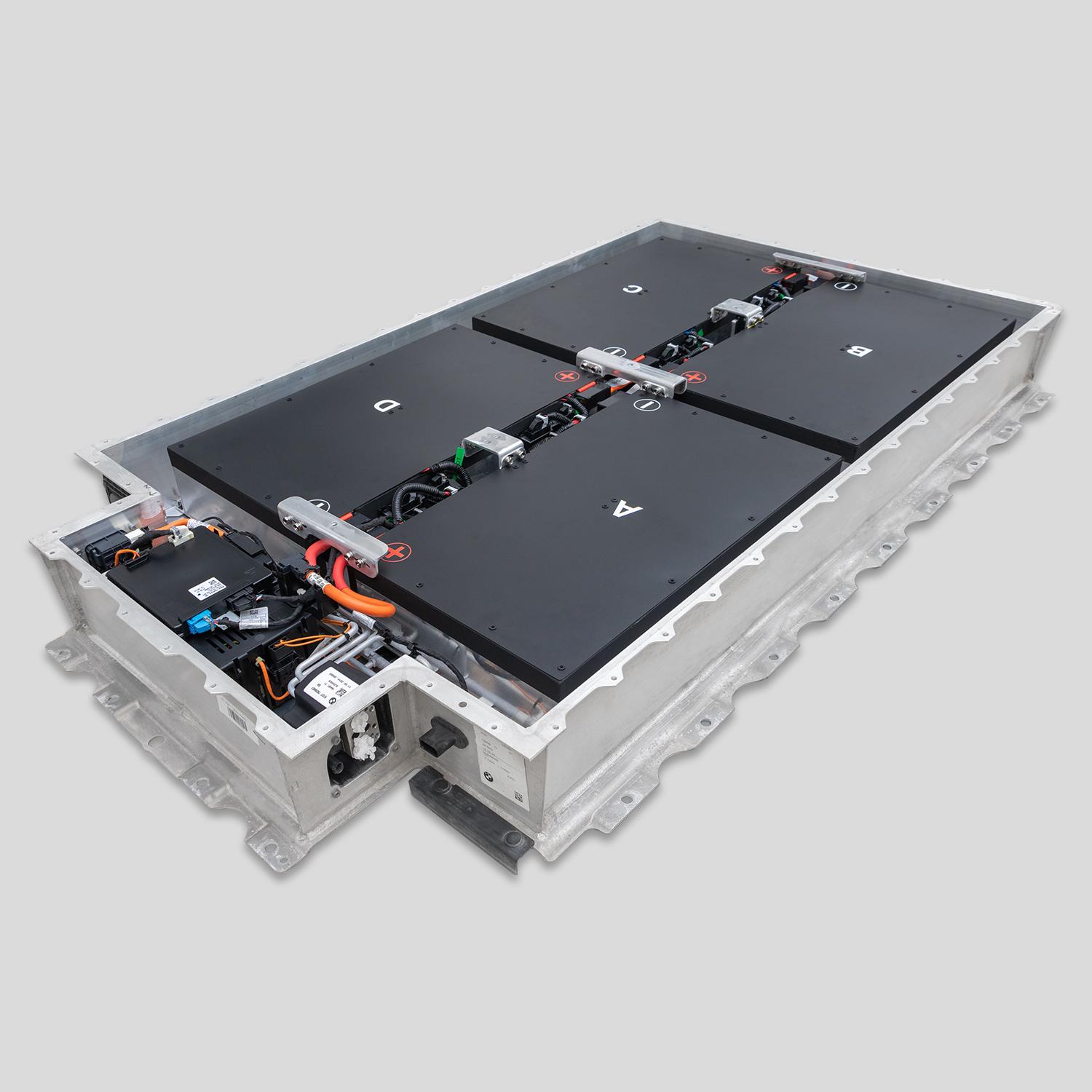
Expert Insight: Simply putting new cells into the old 24kWh casing often leads to overheating and failure. The most reliable solution is a drop-in replacement using a modern 40kWh or 62kWh module design adapted to fit the ZE0 footprint.
The Transformation: Performance & Value
Upgrading your battery is not just a repair; it is a performance enhancement. Let’s look at the tangible benefits of installing a high-capacity pack.
Before vs. After: The ZE0 Upgrade
| Feature | Original 24kWh (Degraded) | Upgraded 40kWh/62kWh Equivalent |
|---|---|---|
| Real-World Range | 30 – 50 km (Dead) | 180 – 240 km (Revived) |
| Cell Quality | Aged, Swollen, Unreliable | Brand New (e.g., CATL) |
| Warranty | None (Out of warranty) | 2 Years / 80,000 km |
| Cost | Scrap Value | ~50% of New OEM Price |
1. Restoring Residual Value
By installing a new 40kWh equivalent pack, you effectively turn your $1,000 scrap car into a $6,000-$8,000 functional EV. This is the definition of boosting residual value. You are not just paying for parts; you are paying for the labor of resurrection.
2. The Charging Experience
One of the biggest complaints about the old ZE0 was the slow charging. Modern replacement packs often come with upgraded BMS firmware that allows for better CHAdeMO DC fast-charging compatibility. While the ZE0’s onboard charger is limited, a new pack ensures that every percentage point you gain from the charger is stored efficiently without the voltage sag common in old batteries.
3. Safety First
Older Leaf batteries are prone to thermal runaway if cells are imbalanced. A professional high-capacity upgrade uses new, high-quality prismatic cells (like those from CATL) that meet modern safety standards. This includes better thermal management and over-current protection.
Why Professional Installation Matters
While the DIY community loves the Leaf ZE0, installing a high-voltage battery pack is not a job for a novice.
- Programming is Key: The car’s dashboard needs to recognize the new battery’s State of Charge (SOC). This requires specific programming tools and software access.
- Physical Fitment: The ZE0 chassis has specific mounting points. A “custom” pack must match the OEM dimensions exactly to avoid rattling or stress on the chassis.
- Warranty Protection: Attempting a DIY install often voids the warranty on the new battery. Professional technicians ensure the installation meets the manufacturer’s standards.
Frequently Asked Questions (FAQ)
Q1: Is it safe to put a 40kWh/62kWh pack into a ZE0 designed for 24kWh?
Absolutely, if done correctly. The upgrade does not increase the voltage beyond what the motor controller can handle. Instead, it increases the amp-hour (Ah) capacity. The physical dimensions and cooling systems are adapted to fit the original ZE0 space. The safety comes from using new, high-quality cells that are thermally stable.
Q2: How much does a “24kWh to 40kWh” upgrade cost in 2026?
Prices vary based on cell chemistry (NMC vs LFP) and labor. Generally, you should budget between $6,000 and $9,000 for a complete professional swap using premium new cells. This is roughly half the cost of a new OEM replacement from Nissan (if you could even find one).
Q3: Will this upgrade fix the “range drop” issue in cold weather?
While no battery is immune to cold weather range loss, a brand-new high-capacity pack performs significantly better than a degraded 10-year-old battery. New cells have lower internal resistance, meaning they retain more heat and lose less capacity in winter compared to the original pack.
Q4: How long does the installation take?
A professional workshop typically requires 1 to 2 days. This includes removing the old pack, preparing the new pack (if it requires minor bracket modification), installing the high-voltage cables, and performing the BMS programming and system diagnostics.
Ready to Resurrect Your ZE0?
If you are sitting on a Leaf ZE0 that has become a garage ornament, don’t let it rust. The technology exists today to give it a second life with double the range and zero anxiety.
Don’t gamble with refurbished cells or untested kits. You need a solution backed by engineering, using cells from the world’s top manufacturers.
Get Your Custom Quote Today
Transform your driving experience. Visit our contact page to speak with a technical expert about the perfect high-capacity solution for your Nissan Leaf ZE0.