
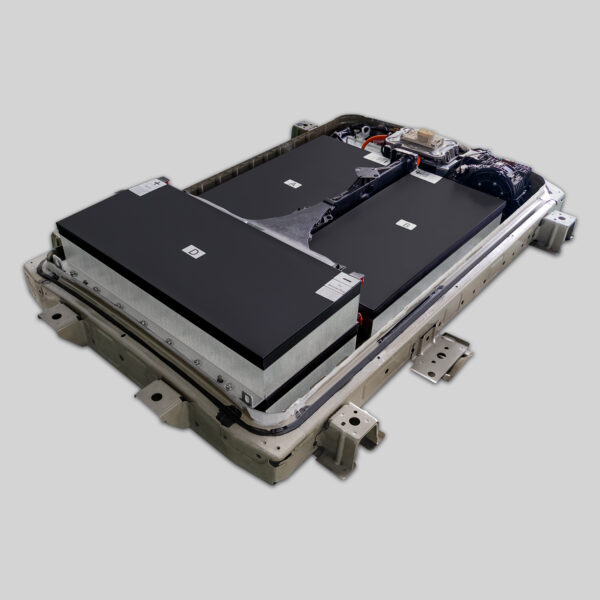
🚀 OEM vs Aftermarket: Which is Better for Your Nissan e-NV200 Repair?
If you drive a Nissan e-NV200, you know it’s a versatile workhorse for both commercial fleets and families. However, like all electric vehicles, the battery is its most critical—and expensive—component. When the dreaded “Battery Capacity Reduced” warning light pops up on your dashboard, you face a tough financial decision.
The dealership or OEM (Original Equipment Manufacturer) quote can be staggering, often costing thousands of dollars. This leaves many owners wondering: Is there a safer, more affordable alternative? The answer lies in high-quality Aftermarket EV Batteries.
As an industry expert specializing in EV powertrains, I’m here to break down the real differences between OEM and Aftermarket solutions. We’ll look at why modern aftermarket batteries, specifically designed for the e-NV200, are becoming the preferred choice for savvy owners who want reliability without the financial penalty.
⚡ The Core Difference: New vs. Rebuilt
To understand which option is better, we must first define what we mean by “OEM” and “Aftermarket” in 2026.
1. OEM (Original Equipment Manufacturer)
This is the “factory standard.” It typically refers to either a brand-new battery built by the original supplier (like AESC or Envision) or a refurbished unit sold under the Nissan banner.
- Pros: Guaranteed compatibility, factory warranty standards.
- Cons: Extremely high cost (often 50%+ more than alternatives), long lead times for refurbished stock.
2. Aftermarket (High-Grade Replacement)
This does not mean “cheap knock-offs.” For the Nissan e-NV200, the modern aftermarket offers brand-new battery packs built with new cells from top-tier manufacturers like CATL.
- Pros: Significantly lower price (often saving 50%+), brand-new components, longer specific warranties.
- Cons: Requires research to find reputable suppliers (like CNS BATTERY).
Expert Insight: The stigma around “Aftermarket” comes from the early days of EVs when “reconditioned” or “used” batteries flooded the market. Today, the best aftermarket providers offer brand-new, OEM-spec batteries at a fraction of the price.
⚖️ The Ultimate Comparison: Value vs. Cost
Let’s compare these two options head-to-head based on what actually matters to you: your wallet and your driving range.
💰 Price & Affordability
This is the most significant factor. Replacing an e-NV200 battery at a Nissan dealership can easily cost upwards of $12,000 – $15,000, depending on your region and labor rates.
In contrast, a high-quality Aftermarket New Battery (such as the 40kWh or 50kWh options) can be acquired for roughly $6,000 – $8,000. This represents a saving of over 50%, which can be the difference between repairing the vehicle and having to scrap it or buy a new van.
🔋 Battery Health & Longevity
- OEM: If you get a refurbished pack, you are inheriting someone else’s battery degradation. Even “new” OEM packs might use older cell chemistry technology.
- Aftermarket: Reputable suppliers like CNS BATTERY utilize brand-new CATL cells. This means you start your ownership journey at 100% health, not 70% or 80% like a refurbished pack. New cells also offer better thermal management and cycle life.
📜 Warranty Protection
Many owners fear that aftermarket means “no warranty.”
- OEM: Standard warranties are often 8 years / 100,000 miles but are void if the car is modified.
- Aftermarket: Leading aftermarket brands are so confident in their new builds that they offer competitive warranties. For instance, CNS BATTERY offers a robust 2-year / 80,000 km warranty on their e-NV200 packs, covering manufacturing defects and performance degradation.
🛠️ The Installation Reality: Is it Plug-and-Play?
One major concern for e-NV200 owners is the complexity of the swap.
The good news: The Nissan e-NV200 has a standardized chassis and Battery Management System (BMS) interface.
A premium aftermarket battery is designed as a drop-in replacement.
Here is what the installation process looks like:
- Physical Fit: The chassis brackets and mounting points are identical to the OEM design.
- Electrical Connection: The high-voltage connectors and signal wires are color-coded and match the original harness.
- Software Handshake: This is the most critical step. Unlike generic batteries, high-end aftermarket packs come pre-programmed. Some suppliers even offer remote video guidance to ensure the BMS communicates perfectly with your car’s dashboard.
Real-World Experience: Many owners and repair shops report that installing a premium aftermarket e-NV200 battery takes about 1-2 hours, similar to the OEM timeline.
📈 Why Choose an Aftermarket Upgrade? (The 50kWh Advantage)
Here is where the aftermarket truly shines for the e-NV200. While Nissan capped the original offerings at 40kWh, the aftermarket allows for upgrades.
By choosing an aftermarket specialist, you aren’t just replacing your battery; you can upgrade it.
- Original: 40kWh (Approx. 170 miles range)
- Aftermarket Upgrade: 50kWh+ (Approx. 220+ miles range)
This upgrade is possible because aftermarket engineers utilize higher-density NMC (Lithium Nickel Manganese Cobalt Oxide) cells. You get more range, better charging efficiency, and a longer lifespan—all while still fitting perfectly under the floor of your van.
📝 Making the Right Choice for Your Fleet
If you are managing a fleet of e-NV200s or rely on your van for daily work, the math is simple.
Choosing OEM means paying a premium price for a product that might be rebuilt from old stock. You are paying for the badge, not necessarily the technology.
Choosing a Premium Aftermarket (like those offered by CNS BATTERY) means:
- Investing in brand-new technology.
- Saving thousands of dollars per vehicle.
- Potentially increasing your vehicle’s range and resale value.
Don’t let the fear of the unknown stop you from saving money. The aftermarket EV battery industry has matured, and for the Nissan e-NV200, it represents the best path to a reliable, long-term solution.
❓ Frequently Asked Questions (FAQ)
1. Is an aftermarket battery legal and will it pass inspection?
Yes. In most jurisdictions, replacing a battery with a compatible, safety-certified aftermarket unit is perfectly legal. Reputable manufacturers ensure their batteries meet UN38.3 transportation and safety standards.
2. Will an aftermarket battery void my remaining car warranty?
It depends on your specific warranty terms. However, because premium aftermarket batteries are designed as “drop-in” replacements with OEM-compatible communication protocols, they rarely trigger errors that would void a warranty. Always check your vehicle’s specific warranty guide.
3. How long does an aftermarket e-NV200 battery last?
A brand-new aftermarket battery using high-grade cells (like CATL) should last just as long, if not longer, than the original. With proper maintenance, expect a lifespan of 8-10 years or 150,000+ miles.
4. Can I install it myself?
While the process is “plug-and-play,” we strongly recommend having the installation done by a certified EV technician. Handling high-voltage components requires specific safety gear and training to avoid injury or damage.
5. How do I know if a supplier is trustworthy?
Look for these signs:
- They use Brand New Cells (not recycled).
- They offer a warranty comparable to OEM (e.g., 2 years / 80,000 km).
- They provide remote technical support for BMS programming.
💡 Ready to Revive Your e-NV200?
Don’t let battery degradation sideline your Nissan e-NV200. With the right aftermarket solution, you can get back on the road with a brand-new battery pack and enjoy thousands of miles of reliable driving.
Get a Free Custom Quote Today
Find out how much you can save by upgrading to a high-performance aftermarket battery. Our experts are ready to help you choose the perfect 40kWh or 50kWh solution for your van.

