
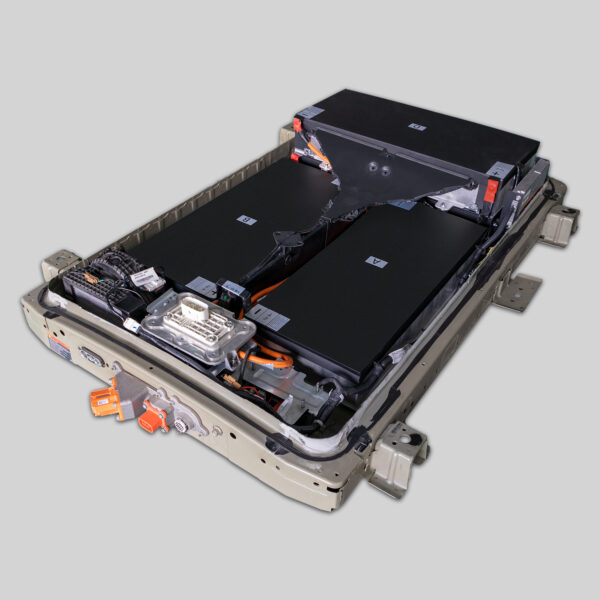
Winter Battery Care: 5 Steps to Maintain e-NV200 Combi 50kWh SOH
If you drive a Nissan e-NV200 Combi in cold climates, you know the struggle: winter hits, and your 50kWh battery suddenly feels like it has a mind of its own. The range drops, charging slows down, and you start worrying about the long-term health of your pack. You’re not alone. As a CNS BATTERY expert, I’ve helped thousands of fleet managers and private owners navigate these exact challenges. The good news? With the right strategy, you can maintain your State of Health (SOH) and keep your e-NV200 running efficiently all winter long.
Why Does Your 50kWh Battery Hate Winter?
Before we dive into solutions, let’s understand the enemy. Your Lithium-ion battery relies on chemical reactions to store and release energy. When temperatures drop below 20°C (68°F), these reactions slow down significantly.
- Range Anxiety is Real: In freezing conditions, you might see a 20-30% drop in range. This isn’t just “phantom drain”; the electrolyte in the cells becomes sluggish.
- Heating Costs: Unlike gas cars that use waste engine heat, your e-NV200 uses precious battery power to run the heater.
- Charging Speed: Charging below 0°C (32°F) can cause lithium plating, a dangerous condition that permanently damages cells and kills your SOH.
1. Master the Art of Pre-Conditioning
The most effective tool in your arsenal is pre-conditioning. This means warming up the battery while the car is still plugged in, so you leave the house with a warm battery and a full cabin.
How to do it:
- Plug In: Always charge your e-NV200 overnight.
- Schedule: Use the NissanConnect app or the car’s timer function to start charging about 2 hours before you plan to leave.
- Activate: Turn on the cabin heater via the app while the car is charging. The car will use grid power to warm the cabin and, crucially, condition the battery to its optimal operating temperature.
Expert Tip: Never start your journey with a “cold” battery if you can avoid it. A warm battery is a happy battery.
2. The “50% Sweet Spot” for Winter Storage
If your e-NV200 Combi is parked for a few days (or if you’re not using it for a shift), do not leave it fully charged.
High voltage stress combined with low temperatures accelerates chemical degradation. Conversely, a completely empty battery can suffer from cell imbalance.
The Golden Rule:
For optimal SOH maintenance during winter storage, keep your charge level between 20% and 50%. This reduces internal stress and protects the cells from the cold.
| Charging Scenario | Winter Recommendation | Why? |
|---|---|---|
| Daily Driving | 80-90% (if range needed) | Ensures you have enough power to reach your destination and a charger. |
| Overnight/Plugged In | 100% | Allows pre-conditioning and ensures you start the day warm. |
| Long Term Storage | 40-50% | Minimizes voltage stress on the cells during cold idle periods. |
3. Tire Pressure: The Free Range Booster
This might seem like basic car maintenance, but it’s critical in winter. Cold air causes tire pressure to drop.
The Physics:
Under-inflated tires increase rolling resistance. For an electric vehicle, this resistance translates directly into higher energy consumption. In winter, when your battery is already struggling, this extra drag can eat up an additional 5-10% of your range.
Action Plan:
Check your tire pressure weekly during the cold months. Inflate them to the manufacturer’s recommended “cold” pressure (usually found on the sticker inside the driver’s door). It only takes 60 seconds but can save you from a stranded car.
4. Regenerative Braking: Winter Mode
Your e-NV200’s regen system is great for recapturing energy, but winter roads are slippery.
The Strategy:
In icy or wet conditions, reduce your reliance on aggressive regenerative braking. While it doesn’t damage the battery, sudden regen can cause wheel lock-up on low-traction surfaces, leading to a loss of control.
Instead, drive smoothly. Anticipate stops further in advance. This smooth driving style reduces the thermal stress on the battery pack and prevents the need for sudden, high-current draws that can shock a cold battery.
5. Upgrade to a Winter-Ready Pack
If you’re still running the original factory battery, you might be fighting a losing battle. Old batteries lose their ability to retain heat and manage cold temperatures efficiently.
At CNS BATTERY, we specialize in OEM-compatible replacements for the Nissan e-NV200. Our 50kWh Lithium Battery Packs are engineered with the latest CATL cells, which have superior thermal management properties compared to older generations.
- Why Upgrade? Our packs are designed to handle extreme temperatures better. We incorporate advanced Battery Management Systems (BMS) that actively monitor and protect the cells during winter operation.
- The Cost Factor: Replacing a degraded battery with a brand-new CNS pack can save you over 50% compared to OEM prices, getting your Combi back to its original 348km range (or better) without the winter fear.
“After switching to the CNS 50kWh pack, my winter range issues vanished. The BMS keeps the cells stable, and the range in winter is consistent.” – Thomas B., Commercial User
Frequently Asked Questions (FAQ)
Q1: Can I leave my e-NV200 outside in freezing temperatures?
Yes, but with caveats. If possible, park in a garage. If not, ensure the car is plugged in (even if fully charged) so the thermal management system can activate if needed. Avoid deep discharges in sub-zero weather.
Q2: Does fast charging damage the battery in winter?
Yes, if done incorrectly. Never use a DC fast charger immediately after driving in freezing rain or snow without letting the battery cool (or warm) down first. If the battery is very cold (<5°C), the car should ideally warm it before accepting a high-speed charge to prevent lithium plating.
Q3: How often should I service my 50kWh battery for winter?
While the battery itself is sealed, the annual service should include checking the coolant levels in the thermal loop. Low coolant reduces the car’s ability to heat the battery efficiently, which is vital for winter performance.
Q4: What is the ideal charging habit for winter?
Avoid “topping up” with fast chargers constantly. Use Level 1 or Level 2 (AC) charging whenever possible. AC charging is gentler on the cells and allows the pre-conditioning cycle to work effectively while you sleep.
Ready to Conquer Winter?
Don’t let the cold weather limit your e-NV200 Combi’s potential. Whether you need expert advice on maintaining your current 50kWh SOH or you’re considering an upgrade to a high-performance CNS BATTERY pack, our team is here to help.
Get a Free Custom Quote today and ensure your vehicle is winter-ready.

