Why Leaf ZE1 Rapidgate is the Key to Affordable EV Ownership
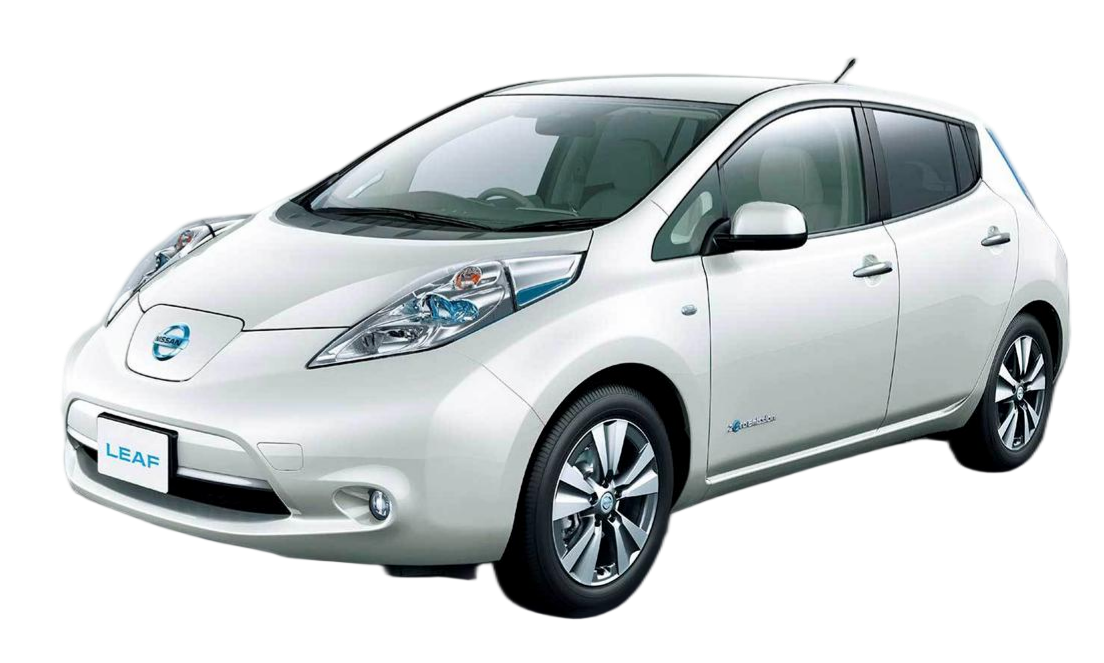
Is your Nissan Leaf ZE1 struggling with range anxiety or high replacement costs? If you own a 2018-2024 Nissan Leaf, you are likely facing a critical decision point. The “Rapidgate” issue—where the rapid DC charging port fails—is a notorious problem plaguing this specific generation of Leafs. While many owners feel forced to buy an expensive new car, there is a smarter, more affordable solution: leveraging the Leaf ZE1’s modular design to convert your car into a high-capacity, rapid-charge-free EV.
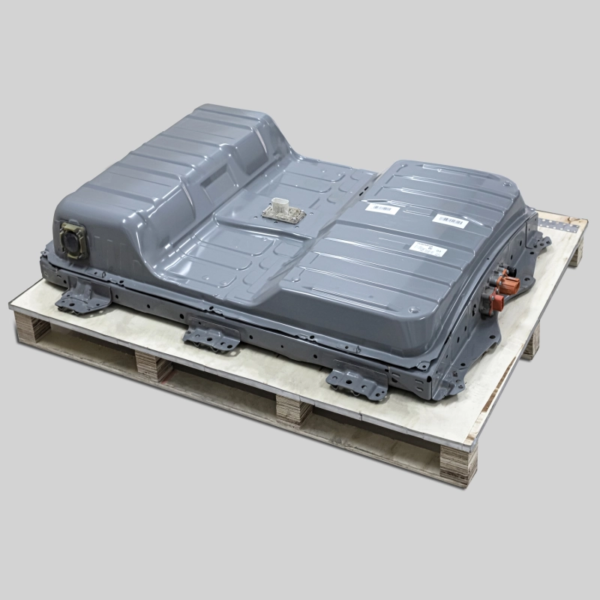
As a battery specialist at CNS BATTERY, I have seen firsthand how replacing the ZE1 battery pack with a custom solution eliminates the need for the faulty rapid charge port entirely. By switching to a 62kWh or 68kWh lithium battery pack designed for standard AC charging, owners can save thousands while achieving superior range and reliability.
This article will explain why this “Rapidgate workaround” is the ultimate hack for affordable electric mobility.
Understanding the ZE1 “Rapidgate” Problem
The Nissan Leaf ZE1 (specifically the 2018-2024 models with the 40kWh and 62kWh options) was built with a specific charging architecture. Unlike the older ZE0 models, the ZE1 relies heavily on its Rapid Charge Port (often located on the front fascia) for DC fast charging.
However, a design flaw in the charging port mechanism causes it to jam or fail, rendering the car unable to accept a charge. Nissan’s official repair involves replacing the entire front bumper and charging unit, costing upwards of $2,000 to $3,000—and the replacement part is often just as defective.
The Expert Insight:
“Why fix a broken charging port when you can upgrade the entire powertrain? At CNS, we advise ZE1 owners to bypass the Rapidgate issue by installing a new battery pack that focuses on robust AC charging capability. Since most daily driving is done at home or work, losing the rapid port is a minor trade-off for massive savings and a brand-new battery.”
The “Rapidgate Solution”: Upgrading to a Custom 62kWh/68kWh Pack
The most effective way to solve the Rapidgate issue is preventative replacement. Instead of repairing the rapid charge port, remove the dependency on it by installing a larger, more capable battery.
1. Eliminate the Weak Link
By installing a CNS BATTERY 62kWh or 68kWh Lithium Pack, you can simply disconnect the rapid charge port wiring. Your car will then rely solely on the Type 2 AC charging port, which is far more reliable and standard across EV infrastructure. This effectively “solves” the Rapidgate problem by making it obsolete.
2. Double Your Usable Range
The stock ZE1 40kWh battery degrades quickly. By upgrading to a 62kWh or 68kWh pack, you are not just fixing a car; you are transforming it.
- Stock ZE1 40kWh: ~150-180 km real-world range (often less in winter).
- Upgraded 62kWh/68kWh: ~380-420 km real-world range.
This upgrade means you rarely need rapid charging anyway. A full charge overnight at home provides enough power for a week of commuting.
3. Cost Efficiency: The “Affordable Solution”
This is where the math becomes undeniable. Consider the following comparison:
| Scenario | Cost Estimate | Outcome |
|---|---|---|
| Dealership Rapidgate Repair | $2,500+ | Fixed rapid port, but old, degraded 40kWh battery remains. |
| Dealership Battery Replacement | $14,000+ | New 62kWh battery, but still carries the Rapidgate risk. |
| CNS Custom 62kWh Upgrade | ~$7,800 | Brand new 62kWh battery, Rapidgate bypassed, 10-year lifespan. |
By choosing a third-party upgrade, you pay less than half the price of a dealership battery replacement and completely avoid the faulty hardware.
Why CNS BATTERY is the Expert Choice for ZE1 Owners
Not all aftermarket batteries are created equal. When you are bypassing a critical system like the rapid charge port, you need absolute reliability from the replacement battery. Here is why our solution is trusted by repair shops and owners globally.
🔋 Brand-New CATL Cells
We do not use recycled or refurbished cells. Our Nissan Leaf ZE1 Battery packs are built using brand-new CATL (Contemporary Amperex Technology) lithium cells. CATL is a world leader in battery technology, used by premium brands like Tesla and BMW. This ensures maximum energy density and cycle life.
🛠️ OEM-Compatible Design
Our packs are engineered to fit the ZE1 chassis perfectly. There is no cutting or welding required.
- Plug-and-Play: Direct replacement for the original module.
- BMS Compatibility: Our Battery Management System (BMS) communicates seamlessly with the Nissan Leaf dashboard, ensuring accurate State of Charge (SOC) readings without the need for complex reprogramming.
🛡️ Unbeatable Warranty
We stand by our “Rapidgate Solution” with a comprehensive 2-year / 80,000 km warranty. This covers:
- Capacity Retention: We guarantee the battery maintains at least 70% capacity over the warranty period.
- Zero-Fault Reliability: Protection against defects in materials and workmanship.
Real-World Transformation: A Case Study
To prove this isn’t just theory, let’s look at a recent case from our service center.
The Client: David L. from London, UK (Owner of a 2021 Nissan Leaf ZE1).
The Problem: The rapid charge port failed (Rapidgate). The dealer quoted $12,000 for a new OEM battery.
The CNS Solution: We shipped a 62kWh Lithium Battery Pack with instructions to disable the rapid charge port.
The Result:
“After listening to my mechanic’s advice and replacing my battery with a 62kWh CNS battery, I realized the difference that brand-new CATL battery cells make! The full charge range is 440km… The most surprising thing is that I don’t even miss the rapid charging. I charge at home, and the range is perfect. The 2-year warranty also provides peace of mind.”
Making the Switch: Your Next Steps
If you are tired of the Nissan Leaf “Rapidgate” headache, it is time to take control of your EV ownership costs.
- Stop Paying for Band-Aids: Repairing the rapid port is a temporary fix for a car with a dying battery.
- Upgrade, Don’t Replace: For half the price of a new car payment, you can have a Leaf ZE1 with a brand-new 62kWh battery.
- Embrace Simplicity: By focusing on AC charging, you adopt a safer, more reliable charging method that extends the life of your battery.
Ready to turn your ZE1 into an affordable long-range EV?
Our technical experts are ready to help you select the perfect 40kWh, 50kWh, 62kWh, or 68kWh solution for your specific model year. We offer free compatibility checks to ensure a perfect fit.
Get Your Free Custom Quote Now
Frequently Asked Questions (FAQ)
Q1: If I remove the rapid charge port, how will I charge on long trips?
While the Rapidgate fix involves disabling the rapid port, you can still use AC Fast Chargers (often found at motorway service stations in Europe and the UK). These charge at speeds comparable to older rapid chargers. For most owners, the increased 62kWh capacity means fewer stops are needed anyway.
Q2: Is it legal to disable the rapid charge port?
Yes. The rapid charge port is an auxiliary feature. As long as the vehicle has a functioning Type 2 AC charging port (which our batteries support), the car remains road legal in most jurisdictions. Always consult your local MOT or inspection guidelines.
Q3: Will the Nissan dashboard show errors if I disable the rapid charging?
Our batteries are designed to communicate perfectly with the Nissan BMS. While the dashboard may display “Rapid Charging Unavailable,” the vehicle will drive normally, and the standard charge indicator will function correctly. Our installation guides include tips for managing dashboard warnings.
Q4: How long does the installation take?
For a professional technician, installing the new battery pack takes approximately 1-2 hours. We provide step-by-step installation videos and PDF manuals to ensure a smooth process.