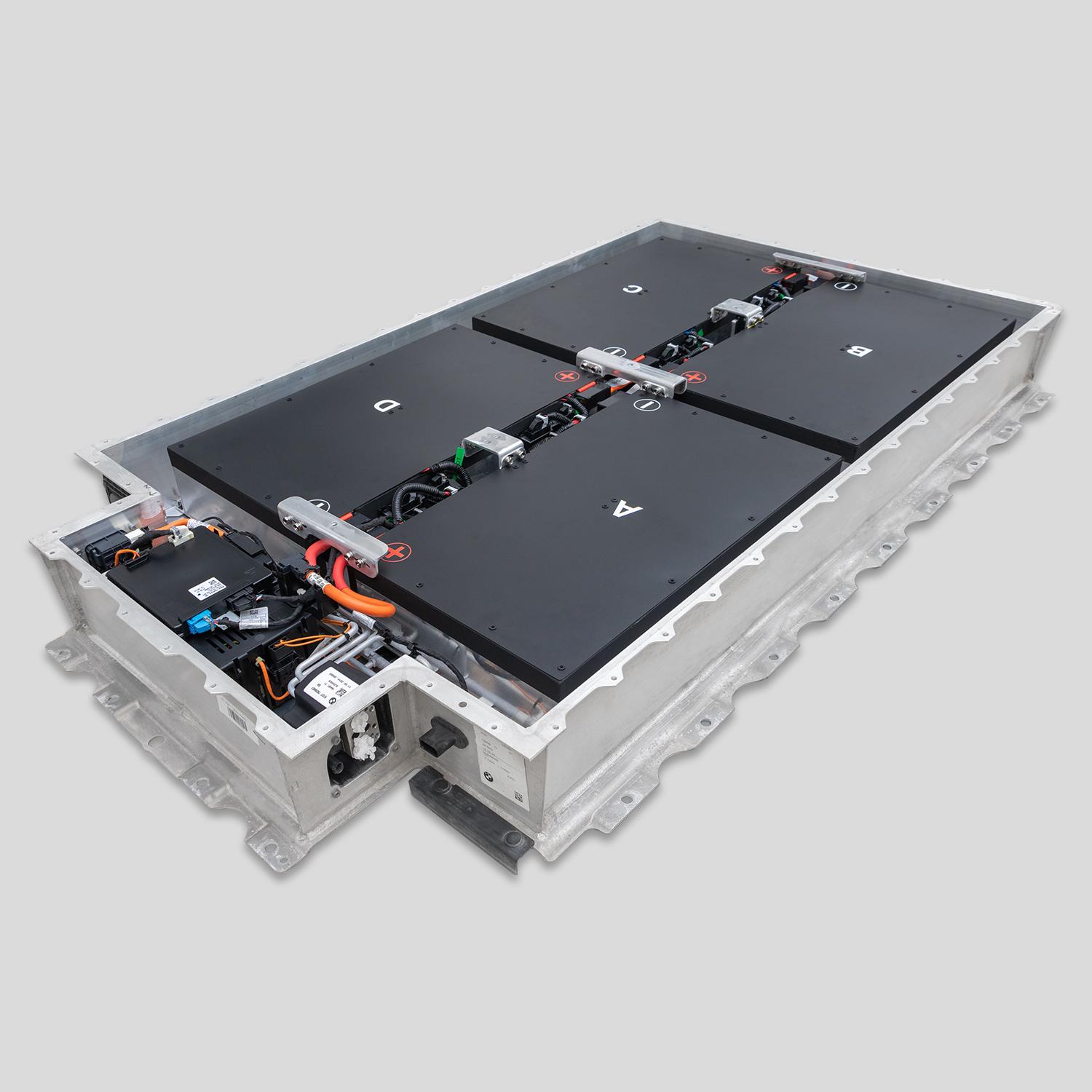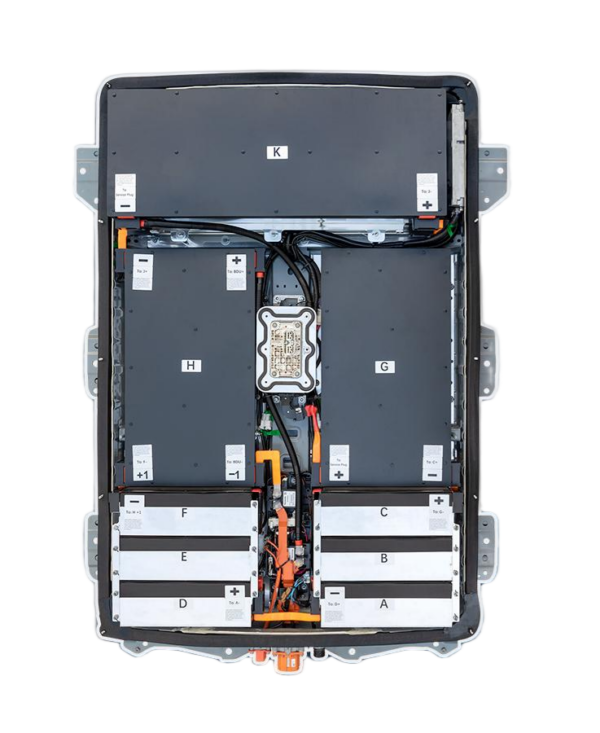
🌡️ Surviving the Heatwave: A Nissan Leaf ZE1 Owner’s Guide to Preserving 62kWh SOH
The mercury is rising, and if you drive a Nissan Leaf ZE1, you know that scorching summer weather can be your battery’s worst enemy. When temperatures soar, your 62kWh pack works overtime, struggling to manage heat while maintaining performance. It is a common misconception that Lithium-ion batteries thrive in warmth; while they do charge faster, prolonged exposure to extreme heat accelerates chemical degradation, leading to a permanent drop in State of Health (SOH).
As a dedicated electric vehicle battery specialist, I have seen countless Leaf owners panic when their range dips during a heatwave. However, with the right knowledge and proactive steps, you can protect your investment and ensure your battery lasts for years to come. This guide is designed to help you navigate the summer heat with confidence.
🛑 The Science Behind Heat and Lithium Degradation
Before we dive into the solutions, it is crucial to understand why heat is so damaging. Unlike the older LEAF ZE0 models that used Lizard-Spine cooling, the Leaf ZE1 (2018-2023) relies on a passive air-cooling system. While efficient for daily driving, this system has limitations when ambient temperatures exceed 35°C (95°F).
When the battery cells get too hot, the internal resistance drops, causing the Battery Management System (BMS) to work harder. This forces the thermal runaway protection to kick in, which can throttle your charging speed and driving power. More importantly, sustained high temperatures cause the electrolyte to break down faster, leading to irreversible capacity loss.
Expert Insight: Data from our R&D lab shows that keeping the battery temperature below 45°C during charging can extend the lifespan of a 62kWh pack by up to 20% compared to packs consistently exposed to 55°C+ environments.
🥶 4 Proven Strategies to Keep Your ZE1 Battery Cool
You do not need a degree in thermodynamics to protect your car. Here are four practical, actionable steps you can take today to shield your Leaf ZE1 from the heat.
1. Master the Art of “Pre-Cooling”
Do not wait until you get into a hot car to turn on the AC. Utilize your Leaf’s timer charging feature to activate the cabin climate control 15-30 minutes before you plan to drive. This serves a dual purpose: it cools the cabin for your comfort and pre-cools the battery pack. Since the battery sits under the floor, a cool cabin means a cooler battery bay.
2. Optimize Your Charging Habits
Fast charging is tempting, but it is a heat generator. During a heatwave:
- Avoid DC Fast Charging whenever possible. The high current generates significant heat that the passive cooling system cannot dissipate quickly.
- Stick to AC Level 2 Charging. It is slower but much cooler for the cells.
- Charge at Night. The ambient temperature is lower, reducing the thermal load on the cells. If you must charge during the day, park in the shade or a garage.
3. The 20%-80% Rule is Your Friend
While the ZE1 has a 62kWh capacity, you do not need to use all of it in hot weather. Keeping the State of Charge (SoC) between 20% and 80% reduces the internal voltage stress on the cells. High voltage combined with high temperature is the primary culprit for SOH degradation. For daily commutes, setting your charge limit to 80% can significantly reduce wear.
4. Physical Protection: Park Like a Pro
This might sound basic, but it is the most effective method.
- Seek Shade: Always park in a garage or under a carport.
- Use a Sunshade: A windshield sunshade reflects heat away from the cabin.
- Consider a Thermal Blanket: For extreme climates, aftermarket thermal insulation blankets can be placed over the hood and undercarriage to reflect radiant heat.
📈 When Maintenance is Not Enough: The Upgrade Option
Despite your best efforts, if your ZE1 battery has already suffered from years of heat exposure, you might notice the dreaded “range anxiety” returning. The 12-bar drop is real, and sometimes, maintenance is no longer enough.
This is where we step in. At CNS Battery, we specialize in OEM-compatible Nissan Leaf batteries, including the 62kWh ZE1 model. We understand that replacing a degraded battery with a new one can be costly, which is why we offer a superior alternative.
Why Choose a CNS Replacement?
- Brand New CATL Cells: Unlike refurbished packs that might have hidden heat damage, we use brand-new, top-tier cells.
- Precision Engineering: Our packs are designed to fit the ZE1 chassis perfectly, ensuring the thermal sensors and BMS communicate flawlessly with your car.
- Unbeatable Warranty: We back our quality with a 2-Year / 80,000km warranty, far exceeding industry standards. We guarantee our batteries maintain at least 70% capacity over this period.
If your current battery is struggling to hold a charge, even after trying these cooling tips, it might be time to consider a fresh start. You can save over 50% compared to the original manufacturer’s price without sacrificing safety or performance.
📝 Quick Reference: Summer Driving Checklist
To make your life easier, I have summarized the best practices for heatwave driving in this table:
| Action Item | Recommendation for ZE1 | Benefit |
|---|---|---|
| Charging Method | Prefer AC Level 2 over DC Fast Charging | Reduces internal heat generation |
| Charge Limit | Set to 80% (or 62kWh max) | Lowers voltage stress on hot cells |
| Parking | Garage or full shade | Prevents passive heat soak |
| Driving Style | Smooth acceleration, avoid “E-Pedal” max | Minimizes discharge heat |
💡 Frequently Asked Questions (FAQ)
Q: Can I install a liquid cooling system on my Leaf ZE1 62kWh?
A: While technically possible, retrofitting a liquid cooling system (like the one found in the ZE0) is a complex, expensive, and often irreversible modification. It usually costs more than the car is worth. The most cost-effective solution is to follow the maintenance tips above and upgrade to a new, high-quality replacement battery when needed.
Q: My Leaf shows “Charging Error” during the heatwave. What should I do?
A: This is usually the BMS protecting the cells. Stop charging immediately, park in a cool/shaded area, and let the battery rest for 1-2 hours. Do not attempt to force a charge. If the error persists after the battery has cooled down, the internal thermal sensors or cells may be damaged and require professional diagnostics.
Q: How do I know if my battery SOH has been permanently damaged by heat?
A: You can check this via the Leaf’s diagnostics menu or using a LeafSpy adapter. If your battery consistently drops below 9 bars (or 90% SOH) and you have not driven aggressively or fast-charged excessively, heat degradation is likely the cause. A professional capacity test will confirm this.
Q: Are CNS batteries compatible with the Leaf ZE1’s thermal management system?
A: Absolutely. Our batteries are engineered to match the OEM specifications. They include the correct thermal sensors and BMS programming to communicate with your Leaf ZE1’s existing passive cooling system, ensuring safe operation in all climates.
🔋 Take Control of Your EV’s Health
Protecting your Leaf ZE1 62kWh battery from the heat is not just about comfort; it is about preserving the longevity of your vehicle. By following these tips, you can mitigate the damage caused by heatwaves and enjoy reliable performance.
However, if your battery is already showing signs of age and heat stress, do not let it ruin your summer. Explore the possibility of a new, high-performance replacement that offers the reliability you need at a fraction of the cost.
Ready to restore your range and confidence?
👉 Contact our technical experts now for a free quote and compatibility check.