🧊 Mastering the Cold: How to Maintain e-NV200 Combi 24kWh SOH in Freezing Temperatures
The Nissan e-NV200 Combi, with its compact size and urban efficiency, is a favorite for city logistics and family transport. However, if you rely on the older 24kWh model, you know the struggle is real—especially when the mercury drops. Cold weather is the silent killer of State of Health (SOH) for older Lizard Pack batteries.
As temperatures plummet below freezing, you might notice your range dropping by 40% or more, and worse, the permanent degradation accelerating. If you’re currently nursing a 24kWh e-NV200 through the winter, this guide is your survival kit. We’ll walk you through specific maintenance steps to preserve what’s left of your battery’s health, and we’ll be honest about when it might be time for a more permanent solution.
🌡️ Why Your 24kWh Battery Hates Winter
Before we dive into the “how,” you need to understand the “why.” The 24kWh e-NV200 uses older generation lithium-manganese-oxide (LMO) chemistry. Unlike the newer 40/62kWh Leaf batteries that use NMC chemistry, the LMO cells in your 24kWh pack are significantly more vulnerable to cold.
The Science of the Drop:
When temperatures fall below 0°C (32°F), the chemical reactions inside the battery slow down dramatically. The electrolyte becomes sluggish, increasing internal resistance. This means:
- Charging Stops: The Battery Management System (BMS) will often refuse to charge a cold battery to prevent lithium plating (which destroys cells).
- Discharge Power Drops: You lose acceleration and available power.
- Capacity Evaporates: Your 24kWh, which might already be degraded to 18kWh usable, can feel like a 10kWh battery in a snowstorm.
🛠️ 4 Critical Steps to Protect Your SOH
If you’re stuck with the 24kWh pack for now, here is how to nurse it through the freeze without killing the remaining cells.
1. Pre-Conditioning is Non-Negotiable ❄️
Do not plug in a cold battery. If your e-NV200 has been sitting in sub-zero temperatures, charging immediately can cause irreversible damage.
- The Rule: Always precondition the battery before charging.
- How: Use the NissanConnect app to turn on the climate control at least 30 minutes before you plug in. This warms the battery coolant, bringing the cells into a safe charging temperature range (ideally above 10°C / 50°F).
- Pro Tip: If your app doesn’t work in extreme cold, start the car (if possible) and let the heater run for 20 minutes before plugging in the charger.
2. Avoid DC Fast Charging in the Cold ⚡
While it might be tempting to use a rapid charger to warm up the battery, avoid DC Fast Charging when the pack is cold.
- The Risk: Fast charging a cold battery forces ions to deposit on the anode surface instead of embedding into it (lithium plating). This is a primary cause of permanent capacity loss.
- The Fix: Stick to AC charging (Level 1 or 2) during freezing spells. The slower charge rate generates less heat stress and is gentler on the fragile LMO chemistry.
3. Store Plugged-In (But Not Full) 🔌
Lithium-ion batteries hate being stored at 0% or 100% in cold weather. For the e-NV200, a “buffer” is essential.
- The Sweet Spot: Keep the State of Charge (SOC) between 40% and 60% when parked for long periods in freezing conditions.
- Why Plugged-In? If your car is plugged in, the BMS will use a trickle charge to maintain the battery temperature and voltage. This prevents the deep discharge that often kills e-NV200 batteries over winter storage.
4. Gentle Driving Habits 🚙
Aggressive driving in the cold is like sprinting with asthma for your battery.
- Use ECO Mode: This limits the current draw, reducing heat buildup and voltage sag.
- Regenerative Braking: Use it! The resistance helps generate a small amount of heat within the pack, keeping the cells slightly warmer than ambient temperature.
📊 Cold Weather Impact: 24kWh vs. Modern Packs
To give you perspective on why the 24kWh is struggling, here is how it compares to modern battery technology.
| Feature | Nissan e-NV200 24kWh (LMO) | Modern 62kWh (NMC) |
|---|---|---|
| Chemistry | Lithium Manganese Oxide | Lithium Nickel Manganese Cobalt |
| Cold Tolerance | Very Low (High resistance) | Moderate (Better thermal stability) |
| Winter Range Loss | 40% – 60% | 20% – 30% |
| Fast Charging in Cold | Risky (Lithium plating) | Manageable (With preconditioning) |
| Longevity | Degrades faster in heat and cold | More resilient cycle life |
🔄 The Long-Term Solution: Upgrading Beyond 24kWh
Let’s be honest: maintaining a 24kWh e-NV200 in freezing temperatures is like keeping an old diesel heater running. It requires constant attention, and the performance is marginal.
If you are tired of the winter range anxiety and the constant fear of killing your SOH, it is time to consider an upgrade. At CNS BATTERY, we specialize in providing OEM-compatible solutions that transform these old city cars into viable winter warriors.
Why Upgrade to a CNS 62kWh Pack?
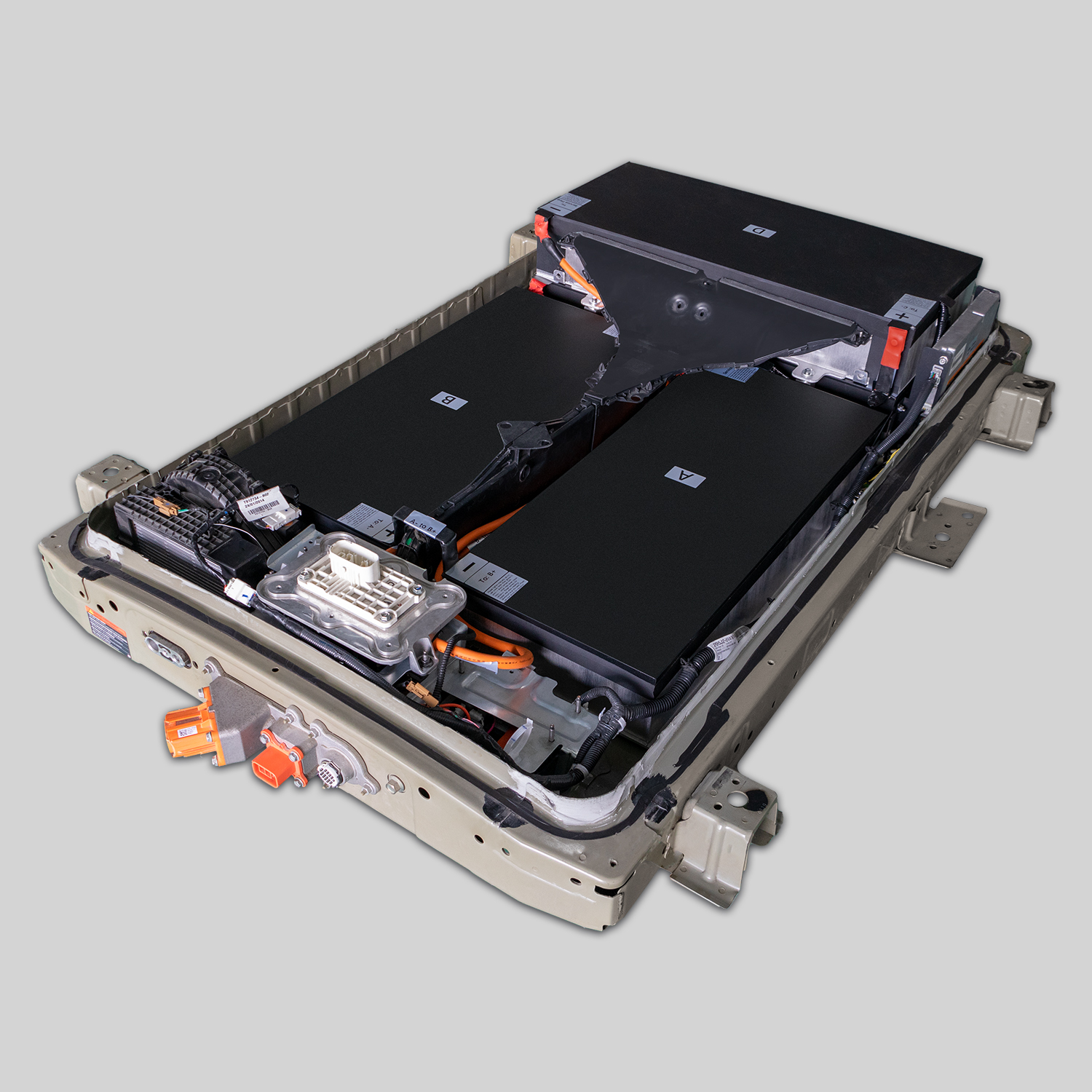
If you are running the 24kWh, you likely own an older generation e-NV200. The best path forward is replacing the “Lizard Pack” with a modern 62kWh module.
- Massive SOH Boost: Instead of fighting to preserve 18kWh of degraded capacity, you jump to 62kWh of brand new capacity.
- Superior Chemistry: Our packs utilize brand-new CATL cells with NMC chemistry. These cells are significantly more thermally stable and handle cold weather far better than the old LMO chemistry.
- Built-in Heating: Modern packs come with advanced thermal management systems designed to handle sub-zero charging without the risk of lithium plating.
- Cost Efficiency: Replacing the 24kWh often costs nearly as much as a used car. A CNS 62kWh upgrade costs roughly 50% less than an OEM replacement, effectively doubling your range and giving your e-NV200 a second life.
🛠️ Expert Support for Your Upgrade
We understand that swapping a battery pack is a big job. That is why we don’t just sell batteries; we provide the expertise.
- Free Compatibility Check: Upload your VIN, and our technical experts will confirm if your specific e-NV200 model is compatible with a 40kWh or 62kWh upgrade.
- Plug-and-Play Design: Our packs are engineered to match OEM dimensions and connectors, minimizing modification time.
- Unbeatable Warranty: We back our confidence in quality with a 2-year / 80,000km warranty, covering defects and performance degradation—something you certainly can’t get on a 10-year-old 24kWh pack.
💡 Frequently Asked Questions (FAQ)
Q1: Can I use a block heater or external heater for my 24kWh e-NV200 in winter?
A: While some owners rig external solutions, it is not recommended for the 24kWh pack. The internal structure lacks the thermal management channels of modern batteries. External heating can cause uneven temperatures, leading to thermal runaway or fire. The safest method is preconditioning via the app or storing the vehicle in a heated garage.
Q2: How do I know if my 24kWh SOH is too low to recover?
A: If your car shows less than 10 bars (or 12 bars with significant sag) on a full charge, or if the range is under 80km (50 miles) in summer, the cells are likely sulfated or dead. No amount of winter maintenance will fix this; a replacement is the only economic option.
Q3: Is it worth upgrading the battery in an old e-NV200?
A: Absolutely. An e-NV200 with a 62kWh CNS battery transforms from a “neighborhood car” into a vehicle capable of 200+ mile ranges. Considering the cost of a new commercial van or EV, revitalizing your existing e-NV200 with a new core is the most sustainable and cost-effective choice.
Q4: Will a new battery fix the cold weather range drop completely?
A: No battery is immune to physics. You will still lose some range in freezing temperatures (typically 20-30%). However, starting with 200 miles instead of 70 means you still have a usable 140 miles, which covers most daily needs even in a snowstorm.
Don’t let the cold freeze your operations. Whether you are looking for expert advice on maintaining your current 24kWh pack or are ready to upgrade to a high-capacity, cold-weather-ready solution, the CNS BATTERY team is here to help.
Contact our technical experts now for a free customization quote and SOH assessment.