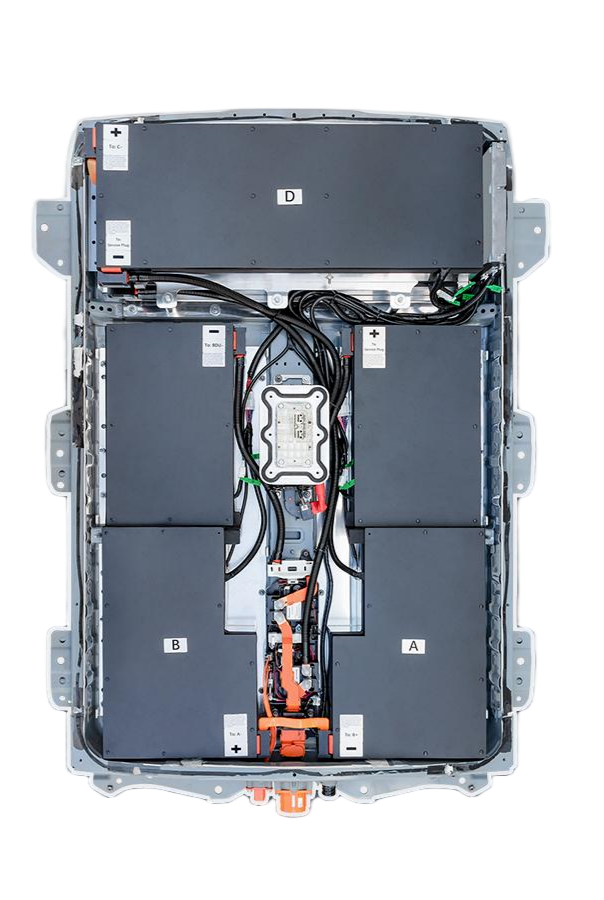
The Impact of Heatwave on Nissan Leaf Battery Health (SOH)
The summer heatwave is coming. If you drive a Nissan Leaf or e-NV200, this season can be brutal on your battery’s State of Health (SOH). As temperatures rise, so does the internal resistance and chemical degradation within your lithium-ion pack. This isn’t just about reduced range on a hot day; it’s about the long-term lifespan of your vehicle.
At CNS BATTERY, we understand that extreme heat is one of the biggest enemies of electric vehicle longevity. Many owners in hot climates face a dilemma: keep driving and risk further degradation, or invest in a solution that can handle the heat. If you are noticing your Leaf’s battery bars dropping faster than usual during these heatwaves, it might be time to consider a replacement.
In this guide, we will break down exactly how high temperatures affect your Nissan Leaf battery and what you can do to protect your investment.
🌡️ Why Heat is the Silent Killer of EV Batteries
While cold weather slows down chemical reactions (reducing range temporarily), heat accelerates the degradation process permanently. When your Nissan Leaf battery operates in a heatwave environment (consistently above 30°C / 86°F), several critical changes occur inside the battery pack:
- Accelerated Chemical Reactions: High temperatures speed up the side reactions between the electrolyte and the electrodes. This creates a layer of resistance on the anode, known as Solid Electrolyte Interphase (SEI) growth. The thicker this layer gets, the less lithium ions can move, resulting in permanent capacity loss.
- Thermal Runaway Risk: Although rare, extreme heat can push the battery management system (BMS) to its limits. If the cooling system cannot dissipate the heat fast enough, it can lead to thermal runaway, a dangerous condition where the battery overheats uncontrollably.
- Gas Generation and Swelling: Heat causes the electrolyte to decompose, generating gas. In older batteries or those with compromised casings, this can lead to visible swelling, which is a clear sign of a battery that needs immediate replacement.
Expert Insight: Our data shows that Nissan Leafs operating primarily in hot climates can lose 2-3 times more capacity over a 5-year period compared to those in temperate zones.
📉 Real-World Impact: Heatwaves and Your Daily Commute
You might be wondering, “What does this mean for my daily drive?” Let’s look at a typical scenario for a Nissan Leaf ZE0 or ZE1 owner during a summer heatwave:
| Scenario | Normal Temperature (20°C) | Heatwave (35°C+) | Impact |
|---|---|---|---|
| Full Charge Range | 170 km (40kWh) | 130 km | ~25% Range Loss |
| Battery SOH | 80% | 70% (or lower) | Accelerated Degradation |
| AC Load | Moderate | High (Continuous) | Drains battery faster |
The Vicious Cycle:
During a heatwave, you need to run the air conditioning (AC) at full blast. The AC compressor is the second biggest power consumer in your car, after the motor itself. This increased load generates even more heat inside the battery pack. If your battery is already old or has degraded cooling channels, this cycle can drain your range significantly and stress the cells beyond recovery.
🛡️ How to Protect Your Nissan Leaf Battery in Summer
Before you consider a replacement, there are steps you can take to mitigate the damage if you are still using the original battery:
- Pre-Conditioning: Always plug in your car and precondition the battery while it is still connected to the grid. This cools the cabin and the battery pack before you unplug, preserving your driving range.
- Avoid 100% Charging: If you don’t need the maximum range, avoid charging to 100% in the heat. Lithium-ion batteries are most stressed at high voltages. Charging to 80-90% can significantly reduce stress during a heatwave.
- Park in Shade: This is the simplest yet most effective method. Keeping the car out of direct sunlight prevents the cabin and battery from soaking up radiant heat.
🔋 The Ultimate Solution: Upgrading to a Heat-Resistant Battery
If your current battery has already suffered from years of heat exposure, the best solution is a complete replacement. At CNS BATTERY, we don’t just refurbish old packs; we build new ones designed to handle the rigors of modern driving, including extreme temperatures.
Why Our Nissan Leaf Batteries Excel in Heat
We manufacture batteries for Nissan Leaf (ZE0, ZE1, AZE0) and e-NV200 models that are built to last. Unlike second-hand or refurbished batteries that have already endured thermal stress, our packs are engineered from the ground up with heat resilience in mind.
1. Premium CATL Cells
We utilize brand-new, top-tier CATL (Contemporary Amperex Technology Co. Limited) lithium iron phosphate (LFP) or NMC cells. These cells are renowned for their thermal stability. Unlike older generation cells found in early Leafs, CATL cells have a higher tolerance for high temperatures, reducing the risk of swelling and capacity fade.
2. Advanced Battery Management System (BMS)
Our BMS is specifically programmed to monitor temperature gradients across every cell. During a heatwave, it actively manages the charging and discharging curves to prevent hotspots. This intelligent management ensures that even in 40°C weather, your battery operates within a safe thermal window.
3. Structural Integrity
Original Nissan Leaf battery packs can suffer from water ingress or degraded thermal paste over time. Our replacement packs feature reinforced casings and high-quality thermal interface materials to ensure efficient heat transfer away from the cells.
“I used to dread summer in Texas. My old Leaf battery would drop from 12 bars to 10 bars in just two months of heat. After switching to the CNS 62kWh pack with CATL cells, I drove through 45°C without any issues. The range is stable, and the battery health hasn’t dipped.” – Tom H., Texas, USA (Nissan Leaf ZE0 Owner)
💰 Cost vs. Value: Why Replace Now?
You might be hesitant due to the cost of a new EV battery. However, consider this:
- Original Manufacturer Price: Often exceeds $15,000 – $20,000, plus installation.
- Refurbished/Risky Options: Cheap alternatives often use recycled cells that will fail again within 6-12 months, especially in the heat.
- CNS BATTERY Solution: We offer brand-new, OEM-compatible battery packs starting at a fraction of the cost—saving you over 50% compared to the original manufacturer.
We back this up with a 2-Year / 80,000 km Warranty, which is significantly longer than what most competitors offer for aftermarket batteries. This warranty covers manufacturing defects and performance degradation, giving you peace of mind that your battery won’t die on you during the next heatwave.
🚀 Ready to Beat the Heat?
Don’t let the summer heatwave ruin your Nissan Leaf’s performance. If your current battery is struggling to hold a charge or showing signs of thermal stress, it is time for a reliable upgrade.
Contact our technical experts now for a free, no-obligation quote. We will help you select the perfect battery solution for your model (Leaf ZE0, ZE1, AZE0, or e-NV200) to ensure you have the range and reliability you need, no matter how high the mercury rises.
Get Your Free Custom Quote Now
❓ Frequently Asked Questions (FAQ)
Q1: Can I install the new battery myself to save money?
Yes, absolutely. Our Nissan Leaf batteries are designed for a “Plug-and-Play” experience. We provide detailed installation manuals and HD video tutorials. Many of our customers successfully install the battery themselves in about 2 hours. However, if you are not comfortable working with high-voltage systems, we recommend hiring a certified mechanic.
Q2: Will a new battery from CNS void my car’s warranty?
No. Since we provide an OEM-compatible replacement (not a modification), it does not automatically void your vehicle’s remaining warranty. However, it is always best to check your specific vehicle warranty terms. Our batteries are designed to match the original factory specifications perfectly, including communication protocols with the car’s computer.
Q3: How long does shipping take, especially if I need it fast?
We ship globally from our warehouse in China. Standard shipping times vary by region (typically 2-4 weeks). If you are in a rush, we offer expedited shipping options. Contact our sales team to discuss the fastest delivery method available to your location.
Q4: What is the difference between the 40kWh, 62kWh, and 68kWh options?
These refer to the battery capacity. The 40kWh is ideal for daily commuting and city driving. The 62kWh and 68kWh options provide significantly longer range (up to 430km+), making them perfect for long trips or drivers who need maximum range, especially when using AC heavily in the summer.
Q5: Do you offer batteries for the Nissan e-NV200?
Yes, we do. We offer high-quality lithium battery packs specifically designed for the Nissan e-NV200. These are perfect for fleet operators or individuals using the vehicle for commercial purposes who need reliable power throughout the summer months.