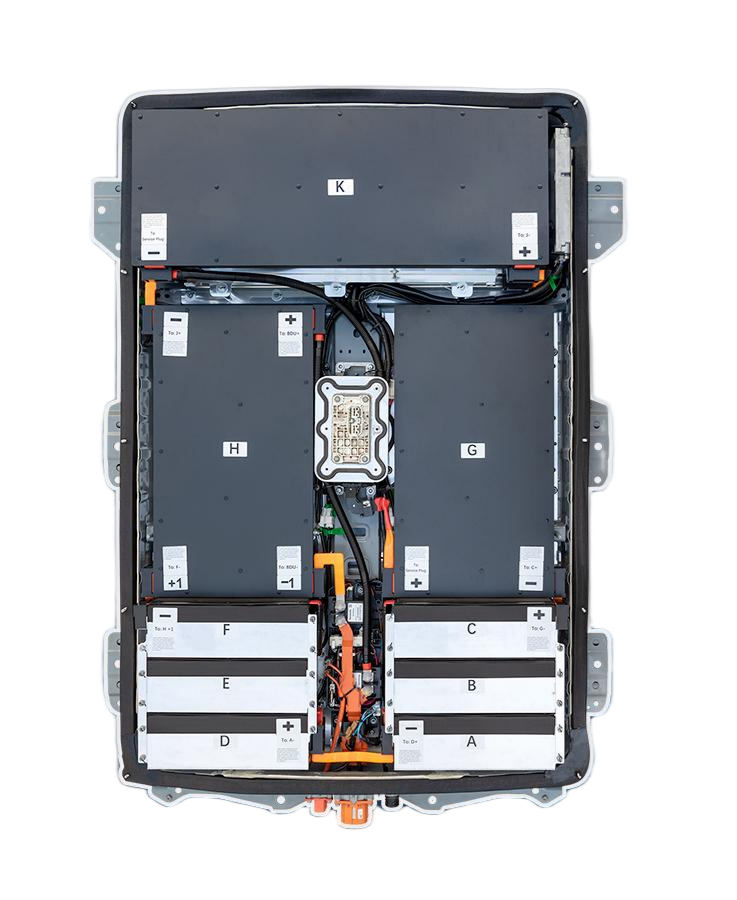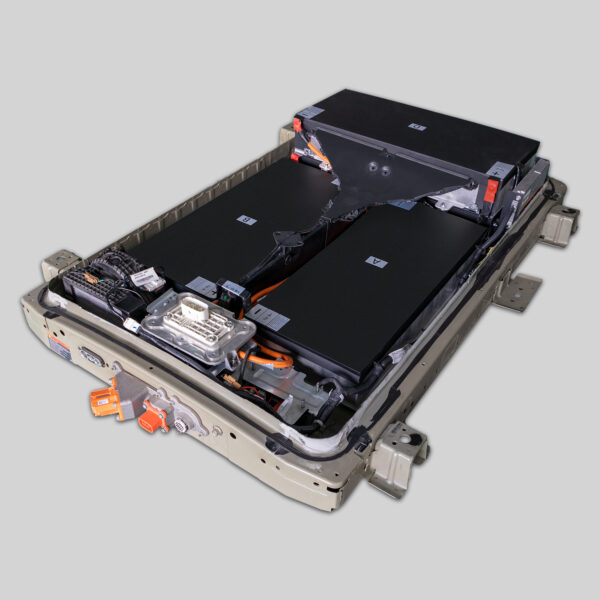
The Impact of Cold Weather on Leaf ZE0 Battery Health (SOH)
Nissan Leaf ZE0 owners know the struggle. One moment you’re cruising with a full charge, and the next, your dashboard shows a terrifying drop in range as winter sets in. You might be wondering, “Is this just a temporary inconvenience, or is the cold weather permanently damaging my battery’s health (SOH)?”
As a specialist in Nissan EV batteries with over a decade of R&D experience, I can tell you this: while the range drop is mostly reversible, prolonged exposure to freezing temperatures without proper care can indeed accelerate the degradation of your Leaf ZE0 battery. At CNS BATTERY, we see many owners stuck with degraded packs, but there’s a solution. We provide high-performance, OEM-compatible lithium battery packs designed to withstand various climates while offering the ultimate safety and longevity you need.
Why Does My Leaf ZE0 Battery “Die” in Winter?
When the temperature drops, the chemical reactions inside your lithium-ion battery slow down. For a Leaf ZE0, which is already a few years old, this manifests in two ways: Reduced Range and Apparent SOH Drop.
The Science Behind the Shrinkage
Lithium-ion batteries rely on ions moving between the anode and cathode. In cold weather, the electrolyte solution thickens, increasing internal resistance. This means:
- Less Usable Energy: The battery management system (BMS) limits the discharge to prevent damage, making your 24kWh or 30kWh pack behave like it has much less capacity.
- Increased Consumption: Heating the cabin consumes significant power. Unlike gasoline cars that use waste engine heat, the Leaf uses direct battery power for the heater.
Expert Insight: A study by the AAA found that at 20°F (-6°C), a typical EV can lose about 41% of its range. For a Leaf ZE0 owner, this could mean a range drop from 70 miles to just 40 miles.
The “Soft” SOH vs. “Hard” SOH
It’s crucial to distinguish between temporary performance loss and permanent degradation.
- Soft SOH (Reversible): This is the immediate drop you see on a cold morning. Once the battery warms up (either by driving or charging), the capacity usually returns.
- Hard SOH (Permanent): This is the actual, irreversible loss of capacity due to aging and stress. Cold weather can accelerate this “Hard” degradation if the battery is charged incorrectly when frozen.
3 Critical Mistakes That Kill Your ZE0 Battery in Winter
If you’re experiencing rapid degradation, you might be making one of these common errors:
1. Charging a Frozen Battery
Never plug in your Leaf if the battery is below freezing (32°F / 0°C) without preconditioning. Charging a frozen lithium-ion battery causes “lithium plating,” where metallic lithium deposits form on the anode. This is irreversible damage that permanently reduces capacity and increases the risk of short circuits.
2. Relying on Level 1 Charging (120V) in the Cold
Slow charging in freezing temperatures keeps the battery in a vulnerable state for longer. If you must charge slowly in the cold, try to do it in a garage or use a thermal blanket.
3. Deep Discharges Overnight
Leaving your car parked outside with a low state of charge (SoC) in freezing weather increases the risk of the battery voltage dropping too low, which can damage the cells permanently.
How to Protect Your Leaf ZE0 Battery This Winter
Don’t let the cold weather ruin your electric driving experience. Here are actionable steps to preserve your battery health:
1. Preconditioning is Key
Use the NissanConnect app (or a timer) to precondition your battery while it’s still plugged in. This warms the battery using grid power before you even start driving, maximizing range and protecting the cells.
2. Maintain a “Goldilocks” Charge Level
When parking in the cold for extended periods:
- Avoid 100%: High voltage stresses the cells.
- Avoid 0%: Risk of deep discharge.
- Ideal: Keep the charge between 40% and 80%.
3. Park Smart
If possible, park in a garage or use a windbreak. Even a simple car cover can provide a few degrees of insulation.
The Ultimate Upgrade: Future-Proofing Against the Cold
If you’re tired of the “Leaf shudder” and range anxiety, especially in winter, it might be time to consider a replacement. The original ZE0 packs are now over a decade old, and their thermal management systems are basic.
Why Upgrade to a CNS BATTERY Pack?
At CNS, we don’t just sell batteries; we engineer reliability. If your current ZE0 battery is struggling with the cold, upgrading to a modern, high-quality pack is the best investment you can make.
- Brand New CATL Cells: Unlike refurbished old packs, our batteries use brand-new, top-tier cells from CATL (Contemporary Amperex Technology Co. Limited), the world’s largest battery manufacturer. These new cells have significantly better low-temperature performance characteristics than the decade-old chemistry in your original pack.
- OEM-Grade Safety & Adaptation: We design our packs to meet Original Factory Standards. This means perfect fitment for your ZE0 and a Battery Management System (BMS) that is specifically tuned to protect the cells in extreme conditions, preventing lithium plating during cold charging.
- Massive Range Increase: Tired of 40-mile winter commutes? Upgrade your ZE0 to a 62kWh pack. This retrofit swaps your old 24kWh/30kWh unit for a modern high-capacity pack, effectively doubling your winter range and eliminating the anxiety of cold weather driving.
Real User Experience: David L. from London upgraded his Leaf ZE1 to a CNS 62kWh pack. “The charging speed is the same as the original, and the handling hasn’t been affected… The 2-year/80,000km warranty provides peace of mind.”
Conclusion: Don’t Let Winter Slow You Down
Cold weather is a fact of life, but it doesn’t have to ruin your Leaf ZE0 experience. By understanding the impact on your SOH and taking proactive steps, you can extend the life of your current battery.
However, if you’re ready to trade range anxiety for confidence, CNS BATTERY offers the perfect solution. We provide Original EV Powertrain solutions specifically customized for Nissan models like the Leaf ZE0. With our 24-month/80,000km warranty, you can drive through the snow knowing your investment is protected.
Ready to upgrade your range and beat the winter blues? Get a free, personalized quote for your Nissan Leaf today.
Get Your Free Custom Quote Now
Frequently Asked Questions (FAQ)
Q: Can cold weather permanently damage my Leaf ZE0 battery?
A: Yes, but only if specific mistakes are made. Charging the battery when it is frozen (below 32°F / 0°C) causes lithium plating, which is a permanent and irreversible form of damage that reduces capacity and lifespan. Normal driving in the cold usually only causes a temporary range drop.
Q: What is the best way to store a Leaf ZE0 in freezing temperatures?
A: The ideal storage charge level for lithium-ion batteries in cold weather is between 40% and 80%. Avoid storing it fully charged (100%) as this stresses the cells, and avoid storing it empty (0%) as this risks the voltage dropping too low and damaging the battery management system.
Q: Should I upgrade my ZE0 battery to handle the cold better?
A: If your current battery is degraded, upgrading is highly recommended. Modern replacement packs, such as the 62kWh lithium battery packs offered by CNS BATTERY, use new-generation cells with better thermal characteristics and advanced BMS systems that actively manage temperature, making them far more resilient in winter than the original 2010-era chemistry.
Q: How does a CNS BATTERY pack handle cold weather charging?
A: Our packs are engineered with OEM-compatible standards. While the battery itself doesn’t heat itself, our systems work seamlessly with preconditioning features. We strongly recommend using the NissanConnect app to warm the battery using grid power (while plugged in) before driving or charging in freezing conditions to ensure safety and longevity.