The Truth About Nissan Leaf OEM vs Aftermarket for Long-Term Reliability
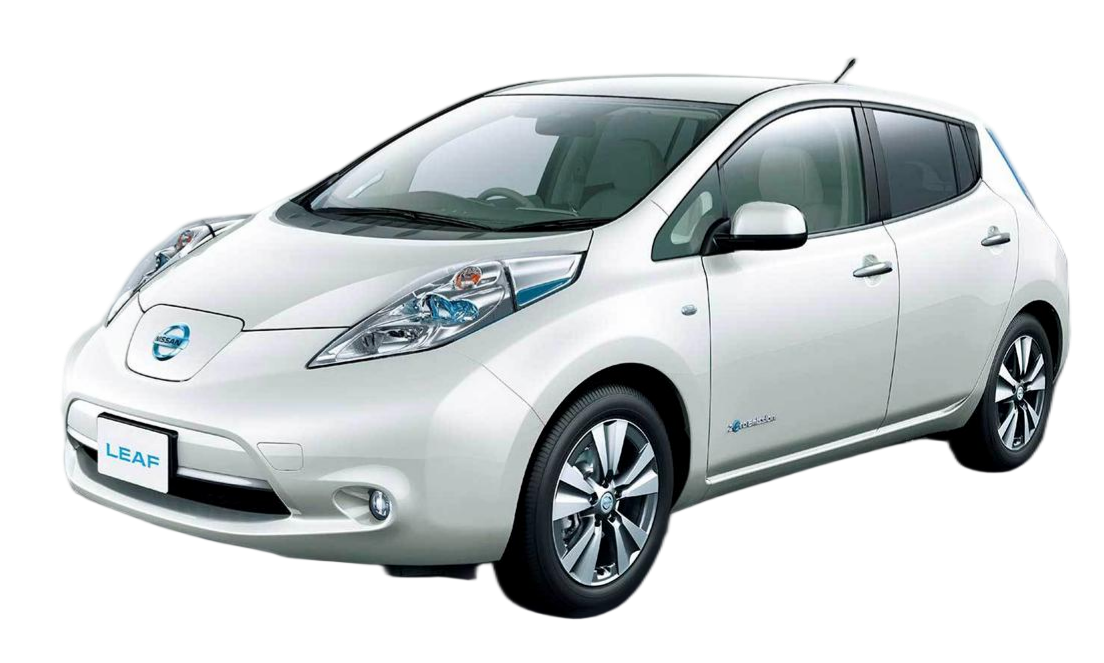
Navigating the battery replacement market for your Nissan Leaf or e-NV200 can feel like walking through a minefield. You’re likely facing sticker shock from the dealership’s quote, wondering if the cheaper “aftermarket” or “refurbished” options are worth the risk. As an expert in automotive power batteries, I have seen firsthand how the wrong choice leads to endless repair bills, safety hazards, and the dreaded “battery swelling.”
This guide cuts through the marketing noise to reveal the hard truth about OEM vs. Aftermarket solutions. We will analyze what truly defines long-term reliability, safety, and value, specifically focusing on the technology available in 2026. If you want a battery that lasts without breaking the bank, this is the information you need.
The Hidden Cost of “Cheap” Refurbished Batteries
When you search for a replacement, the cheapest option is often a refurbished or recycled battery. These are typically old packs pulled from salvage yards, cleaned up, and resold.
Why is this a gamble?
- Unknown History: You have no idea how the previous owner drove the car or how degraded the cells were before “refurbishment.”
- Aging Technology: These packs often use outdated chemistry. While they might work for a few months, they lack the thermal management and BMS (Battery Management System) sophistication of modern units.
- The Swelling Risk: This is the biggest nightmare. Old or low-quality cells are prone to swelling due to gas buildup. Once a battery swells, it can rupture the casing, damage the vehicle’s chassis, and create a fire hazard. Repairing chassis damage costs far more than a new battery.
Expert Insight: Refurbished batteries are essentially “borrowed time.” They do not offer the technological advancements in safety and energy density that new batteries provide.
The OEM Premium: Factory Standard, But At What Price?
The Original Equipment Manufacturer (OEM) battery, sold by Nissan dealerships, is the “safe” choice in terms of fitment. It is exactly what came in your car.
However, the “truth” about OEM is the price tag. You are paying for the Nissan brand name, the dealership overhead, and the logistics of the global supply chain. This often means paying double or triple the manufacturing cost.
The Catch-22:
While OEM guarantees compatibility, it doesn’t necessarily guarantee you are getting the best technology available today. You are simply getting a replica of a 2010s design. For many owners, especially those with older Leafs (ZE0, ZE1), the OEM price is simply prohibitive, often exceeding the value of the car itself.
The Modern Aftermarket Solution: New Cells, Smart Engineering
This is where the narrative changes. The “Aftermarket” category has evolved. It is no longer just about cheap knock-offs. Premium aftermarket manufacturers now offer a “third way”: batteries built to OEM standards but engineered with modern, high-quality components.
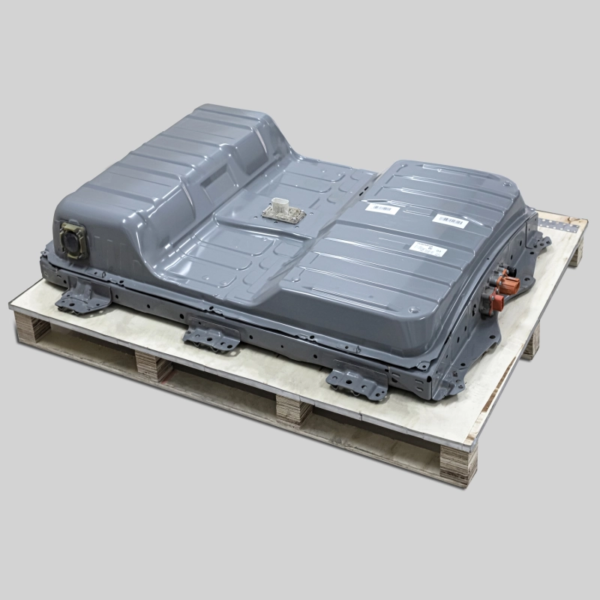
At CNS BATTERY, we specialize in this category. We don’t refurbish; we build from the ground up using brand-new, Grade-A lithium cells from the world’s leading supplier, CATL.
Here is why a premium aftermarket solution offers superior long-term reliability compared to both refurbished units and standard OEM:
1. Superior Cell Quality (The Core Difference)
We do not use recycled cells. We use brand-new CATL cells. CATL is the same supplier used by Tesla, BMW, and Volkswagen. These cells have a higher energy density, better thermal stability, and a longer inherent cycle life than the cells originally used in early-generation Leafs.
- Result: You get a battery that performs like new, with a range that often matches or exceeds the original specifications, without the risk of swelling.
2. Advanced Battery Management System (BMS)
The BMS is the brain of the battery. Cheap alternatives use generic boards. Our systems are programmed specifically for Nissan and BMW protocols.
- Precision Matching: Our BMS ensures seamless communication with your car’s dashboard, preventing error codes.
- Safety First: It actively monitors every cell’s voltage and temperature, preventing overcharging and overheating—critical for long-term reliability.
3. Unbeatable Value: 50% Savings
This is the most compelling argument. By cutting out the dealership markup and utilizing efficient manufacturing, we offer a battery that is 50% cheaper than OEM but built with brand-new materials.
- The Math: If an OEM battery costs $16,000 and a CNS battery costs $8,000, you save $8,000. That’s enough to pay for several years of charging or even a second car.
4. The Warranty Advantage
OEM warranties are standard. However, our confidence in our product allows us to offer an industry-leading 2-Year / 80,000 km warranty.
- This coverage often exceeds the mileage limits of standard OEM warranties for replacement parts.
- We guarantee the capacity will not drop below 70% during this period. If it does, we replace it.
Making the Right Choice for Your Nissan Leaf or e-NV200
If you drive a Nissan Leaf (ZE0, AZE0, ZE1) or a Nissan e-NV200, you have specific needs. You need a battery that fits perfectly (OEM dimensions) but performs better than the original.
Here is a quick comparison to help you decide:
| Feature | Refurbished/Recycled | OEM (Dealership) | Premium Aftermarket (CNS) |
|---|---|---|---|
| Cell Origin | Unknown, Aged | New (Original Spec) | Brand New (CATL) |
| Swelling Risk | High | Low | Zero (Guaranteed) |
| Price | Low ($$) | Very High ($$$$$) | Affordable ($$$) |
| Warranty | None or Short | Standard | 2 Years / 80,000 km |
| Longevity | Unpredictable | Good | Excellent |
Conclusion: Refurbished is a risk. OEM is expensive. A premium aftermarket solution like CNS offers the best balance of safety, modern technology, and affordability.
Frequently Asked Questions (FAQ)
Q1: Is an aftermarket battery safe for my Nissan Leaf?
A: Safety depends entirely on the manufacturer. A battery built with brand-new, Grade-A cells from a reputable supplier like CATL is extremely safe. It is the “cheap,” unbranded aftermarket batteries using recycled or unknown cells that pose a fire or swelling risk. Always verify the cell source before purchasing.
Q2: Will an aftermarket battery void my car’s warranty?
A: In most regions, a car manufacturer cannot void your entire vehicle warranty simply because you installed an aftermarket part. However, they may not cover repairs directly caused by that part. Since CNS batteries are designed to OEM specifications and use a compatible BMS, they do not cause damage to other vehicle systems.
Q3: How long does a CNS aftermarket battery last?
A: Our batteries are designed for longevity. With proper care and modern CATL cells, you can expect a lifespan significantly longer than a refurbished pack. Our 2-Year / 80,000 km warranty reflects our confidence in the product’s durability under normal driving conditions.
Q4: Can I install this myself?
A: Yes. Many of our customers are DIY enthusiasts. We provide detailed installation manuals and HD tutorial videos. For the Nissan Leaf, the process is largely plug-and-play. However, because high-voltage systems are dangerous, we strongly recommend having the installation performed by a certified technician if you are not experienced.
Q5: What models do you support?
A: We specialize in Nissan and BMW models. This includes the Nissan Leaf ZE0, AZE0, ZE1, and the Nissan e-NV200. We also support various BMW i3 and other series.
Ready to Revive Your EV with Confidence?
Don’t let a dead battery kill your electric journey. Whether you drive a Nissan Leaf or a BMW i3, you deserve a reliable, safe, and affordable power solution.
Get your free, no-obligation quote today and see how much you can save.