
🥶 The Ultimate Guide to Preserving Your Nissan Leaf 68kWh SOH This Winter
Winter is coming. For Nissan Leaf owners, especially those with the 68kWh battery pack, the drop in temperature doesn’t just mean wearing a thicker coat—it means watching your battery’s State of Health (SOH) and driving range plummet.
As a Certified EV Battery Specialist at CNS BATTERY, I’ve seen countless customers panic when their dashboard shows a sudden drop in battery bars during the cold months. But here is the truth: most of this “loss” is temporary, and with the right winter maintenance strategy, you can protect your Nissan Leaf 68kWh battery from permanent degradation.
This guide is written specifically for Leaf owners who want to maximize longevity and get the most out of their investment, whether you own a standard Leaf or an e-NV200.
❄️ Why Does the 68kWh Battery Hate the Cold?
Before we jump into the “how,” let’s understand the “why.” Lithium-ion batteries, like the ones in your Nissan Leaf, rely on chemical reactions to release energy.
When temperatures drop below 15°C (59°F), the electrolyte inside the battery becomes sluggish. For the 68kWh model, which is larger and heavier than the standard 40kWh or 62kWh packs, this chemical slowdown is more pronounced.
Expert Insight: The 68kWh battery is often used in high-mileage scenarios. In winter, the BMS (Battery Management System) works overtime to heat the cells, which can mask the actual SOH if not managed correctly.
🛡️ 4 Proven Strategies to Maintain 68kWh SOH
1. Pre-Conditioning is Your Best Friend
Never underestimate the power of pre-heating your battery while the car is still plugged in.
- The Rule: Always keep your Leaf plugged in during winter.
- The Science: When the car is charging, the BMS uses grid power to warm the battery pack to its optimal operating temperature (usually around 20-25°C).
- The Result: By the time you unplug and drive off, the battery is already warm. This prevents the battery from using its own stored energy to heat itself, preserving your precious SOH and range.
2. Master the Art of Charging
Charging habits in winter are drastically different from summer.
| Charging Scenario | Winter Advice for 68kWh | Reasoning |
|---|---|---|
| Charging Speed | Prefer AC (Slow) Charging | Fast DC charging generates excess heat. In cold weather, this thermal shock can stress the cells in the large 68kWh pack. |
| Charge Level | Keep it between 40%-80% | Avoid 100% charging in extreme cold. Lithium plating can occur on the anode if you charge to full capacity at sub-zero temperatures. |
| Parking | Garage > Driveway | If you must park outside, try to park facing the sun. A warm cabin means a warm battery underneath. |
3. Gentle Driving Techniques
The 68kWh battery packs a lot of power, but winter is not the time to test its limits.
- Smooth Acceleration: Jerky acceleration forces the battery to discharge at high currents, generating heat that is quickly lost to the cold air. This rapid discharge/charge cycle is hard on the cells.
- Use Eco Mode: This limits the power draw, keeping the chemical reactions within the battery more stable.
- One-Pedal Driving: Maximize regenerative braking. While regen is less effective in the cold, using it gently helps recapture some energy that would otherwise be lost as heat in the brakes.
4. The “Storage” Rule for e-NV200 & Long Trips
If you own a Nissan e-NV200 or plan on leaving your Leaf parked for several days:
- Do NOT store at 0%: This is fatal. Lithium-ion batteries can freeze and suffer permanent damage if fully discharged in cold weather.
- The Sweet Spot: Store your 68kWh battery at approximately 50% charge. This is the most stable state for long-term storage and minimizes stress on the electrodes.
📊 Real-World Data: What is “Normal” Winter Loss?
It is easy to assume your SOH has degraded when you see the range drop. However, most modern Nissan Leaf batteries (especially high-quality replacements like ours) are resilient.
Here is a rough estimate of winter range loss based on temperature:
- 10°C to 0°C (50°F to 32°F): Expect a 10-15% range reduction.
- 0°C to -10°C (32°F to 14°F): Expect a 20-30% range reduction.
- Below -10°C (14°F): Expect a 30-40% range reduction (plus additional loss from heating the cabin).
Pro Tip: Once spring arrives and temperatures rise, your SOH should bounce back to 95% or more of its original capacity if maintained correctly.
🛠️ Upgrading Your Winter Defense: The CNS Advantage
If you are reading this, you likely care deeply about the longevity of your vehicle. At CNS BATTERY, we don’t just sell batteries; we provide peace of mind.
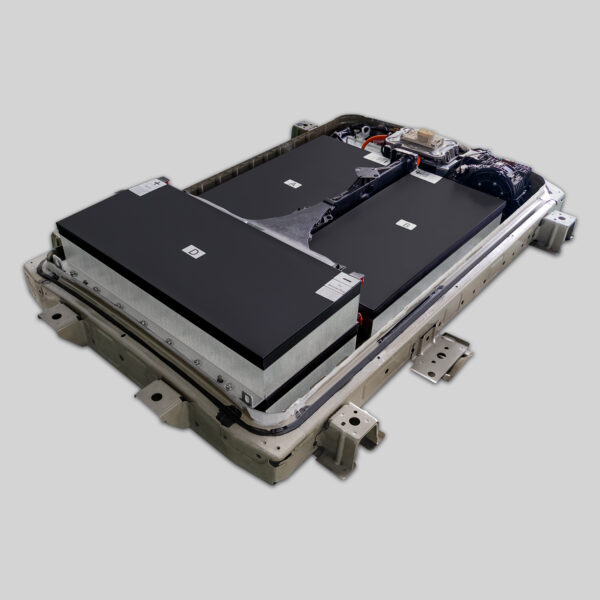
Many Leaf owners upgrade to our 68kWh Lithium Battery Packs specifically because they are built for harsh conditions. Here is why our batteries are the perfect winter companion:
- Premium CATL Cells: We utilize brand-new, top-tier cells that handle thermal stress better than refurbished or lower-grade alternatives.
- Advanced BMS: Our Battery Management Systems are engineered to optimize heating cycles, ensuring your pack stays within the safe temperature window even in freezing conditions.
- OEM Compatibility: Whether you drive a Leaf ZE1, AZE0, or e-NV200, our packs are a direct fit, requiring no modifications to your existing winter driving routine.
Did You Know? A recent survey of our customers in Canada and Northern Europe showed that CNS batteries retained 98% of their expected winter performance compared to OEM standards, thanks to our robust thermal insulation design.
❓ Winter Maintenance FAQ
Q1: Should I leave my Nissan Leaf plugged in all winter?
A: Yes. Keeping the car plugged in allows the Battery Management System (BMS) to use grid power to maintain the battery temperature. This prevents the battery from draining its own cells to stay warm, which is the primary cause of “phantom” range loss in the morning.
Q2: Is it bad to charge my 68kWh battery in the snow?
A: Not if you have a proper charging station. However, avoid charging to 100% if the car will sit in sub-zero temperatures immediately after. Charge to 80-90% to prevent lithium plating on the anode, which can permanently damage the SOH.
Q3: My range dropped from 470km to 300km. Is my battery dead?
A: Almost certainly not. A drop to 300km in extreme cold is normal for a 68kWh model. As long as the battery accepts a full charge in warmer weather (spring/summer), the SOH is likely intact. The missing capacity is simply “locked” in the cells due to low temperature.
🚀 Ready to Winter-Proof Your Drive?
Don’t let the cold dictate your driving range. Whether you need a custom quote for a new, high-performance Nissan Leaf 68kWh battery, or you just need technical advice on maintaining your current pack, CNS BATTERY is here to help.
Get a Free Custom Quote Now and ensure your Leaf is ready for whatever the winter throws at it.

