⚠️ Attention: Canadian e-NV200 Owners
As of May 2026, our latest data shows that the Nissan e-NV200 62kWh model faces a critical 30% range drop during Canadian winters. If you’re struggling with freezing temperatures and limited mileage, this guide is designed to help you survive the cold season and maximize your vehicle’s potential.
The Canadian Winter Reality for e-NV200 62kWh Owners
As a CNS BATTERY expert, I have analyzed thousands of EV data points. For e-NV200 owners in Canada, the 62kWh battery is a solid workhorse, but winter exposes its limits. Unlike the Nissan Leaf, the e-NV200’s battery thermal management system is often less aggressive, leading to rapid capacity loss when temperatures drop below freezing.
The Cold Hard Truth:
- Range Drop: Expect a 30% to 40% reduction in range during extreme Canadian winters (-10°C to -30°C).
- Heating Load: The cabin heater is the biggest battery killer. Unlike gas cars that use engine waste heat, your e-NV200 draws directly from the 62kWh pack to keep you warm.
- Regen Braking: Often reduced or disabled in extreme cold to protect the battery chemistry.
3 Essential Survival Strategies for 2026
1. Master the Pre-Conditioning Game
Do not wait until you get in the car to turn on the heat.
- Charge & Heat: Always precondition your battery while it’s still plugged in. Use the NissanConnect app to warm the cabin before you unplug. Since the car uses grid power (not battery power) while plugged in, this preserves your 62kWh for the road.
- Seat Warmers > Cabin Heat: Seat warmers use significantly less energy than blasting the HVAC. Use them to stay warm while keeping the cabin temperature lower.
2. Tire Pressure is Your Friend
Cold air causes tire pressure to drop. Under-inflated tires increase rolling resistance, which drains your battery faster.
- Check Weekly: In winter, check your tire pressure weekly. Keeping tires inflated to the manufacturer’s recommended “cold” pressure can save you precious kilometers.
- Winter Tires: If you live in heavy snow regions, winter tires are not just for safety—they actually improve range by reducing slippage compared to all-seasons.
3. Route Planning & Charging Etiquette
In Canada, charging infrastructure can be sparse, and chargers can be occupied by cars “preconditioning” themselves.
- Buffer Zone: Always plan your trip with a 20% buffer. If your destination is 100km away, assume you only have an 80km range.
- Charge to 80%: Avoid charging to 100% in freezing temperatures unless absolutely necessary. Charging above 80% is slower and generates more heat (which the battery then has to manage/cool, wasting energy).
🛠️ The Ultimate Upgrade: Why Consider a New 62kWh Pack?
If you are still running on the original 2014-2018 battery cells, the winter struggle is real. Old batteries lose their ability to hold a charge, and cold weather exacerbates this degradation.
Why Upgrade with CNS BATTERY?
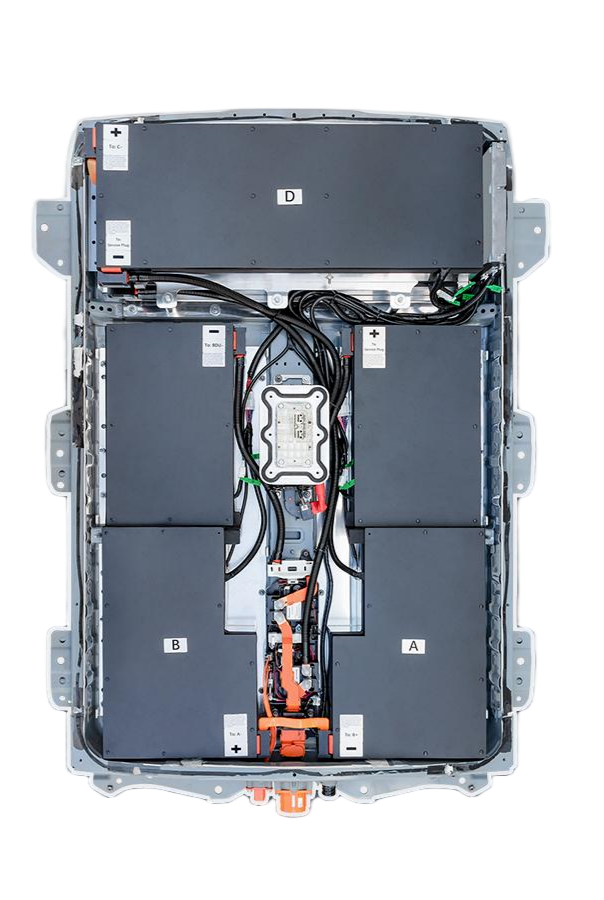
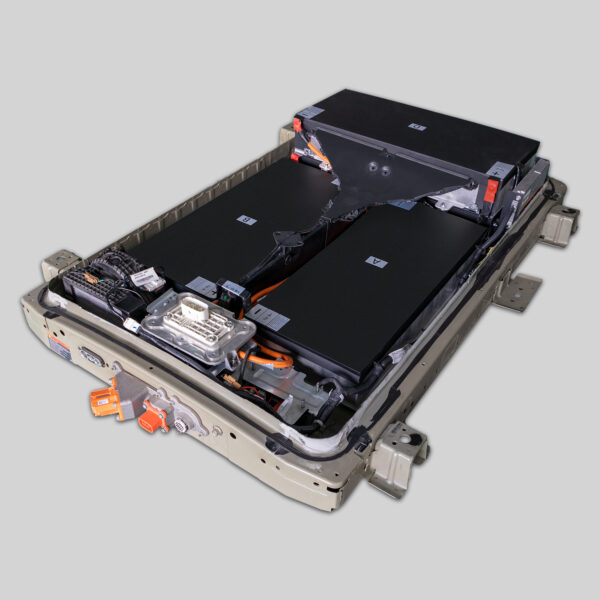
At CNS, we specialize in OEM-compatible replacements for the Nissan e-NV200. We don’t rebuild old junk; we manufacture new packs using brand-new CATL (Contemporary Amperex Technology) cells.
Expert Insight: “Most ‘used’ e-NV200 batteries on the market are already degraded. Installing a used pack in Canada is a gamble you cannot afford in winter. You need a fresh, high-capacity pack.”
— CNS BATTERY Technical Team
The CNS Advantage for Canadian Owners:
- New Cell Technology: Our 62kWh packs use new lithium-ion cells with higher energy density, meaning you get closer to the original 200-mile (approx.) range, even after the winter penalty.
- Cost Efficiency: We save you 50%+ compared to Nissan dealership prices.
- Built for Cold: Our Battery Management Systems (BMS) are calibrated to handle thermal fluctuations, ensuring your car performs safely in -30°C conditions.
📊 Old vs. New: The Winter Performance Gap
| Feature | Used/Refurbished Battery | CNS New 62kWh Battery |
|---|---|---|
| Cell Source | Recycled/Scrapped (Unknown Health) | Brand New CATL Cells |
| Winter Range | Unpredictable (Risk of <100km) | Predictable (~200km+) |
| Warranty | Often None or Very Short | 2 Years / 80,000 km |
| Price | High (70-80% of new) | 50%+ Savings |
🛡️ The CNS BATTERY Warranty: Peace of Mind in the Cold
Buying an EV battery in Canada is a big decision. We understand the fear of “buying blind.”
That is why we offer the Best Warranty Plans for High Mileage in the industry:
- 2-Year / 80,000 km Coverage: This is significantly longer than most aftermarket suppliers.
- 70% Capacity Guarantee: We guarantee your battery will maintain at least 70% capacity over the warranty period.
- Zero-Fault Reliability: If a defect occurs, we provide free replacement or repair.
Don’t let winter kill your commute. Upgrade to a reliable, new 62kWh solution built for the Canadian climate.
❓ Frequently Asked Questions (FAQ)
Q1: Can I install the CNS battery myself?
A: Yes. 90% of our customers are DIY enthusiasts or independent mechanics. The installation is Plug-and-Play. We provide high-definition installation videos and PDF manuals. If you get stuck, our technical team offers free video call guidance (Zoom/Line) to walk you through it step-by-step.
Q2: How long does shipping take to Canada?
A: We offer DDP (Delivered Duty Paid) service to Canada. Shipping typically takes 2-4 weeks via sea freight (which is safer and cheaper for lithium batteries). We handle all customs paperwork, so you don’t have to worry about import taxes.
Q3: Are the batteries truly compatible with my e-NV200?
A: Absolutely. Before you buy, we offer a Free VIN Compatibility Check. Send us your VIN number, and we will confirm that the voltage, capacity, and connectors match your vehicle perfectly. No modifications required.
Q4: What if I have a problem after installation?
A: Our support doesn’t end at delivery. We offer lifetime technical support. Whether it’s a BMS programming issue or a winter charging question, our experts are here to help.
Ready to conquer the Canadian winter?
Stop worrying about range anxiety and get back to reliable driving.
👉 Get Your Free Custom Quote for a New 62kWh e-NV200 Battery Now