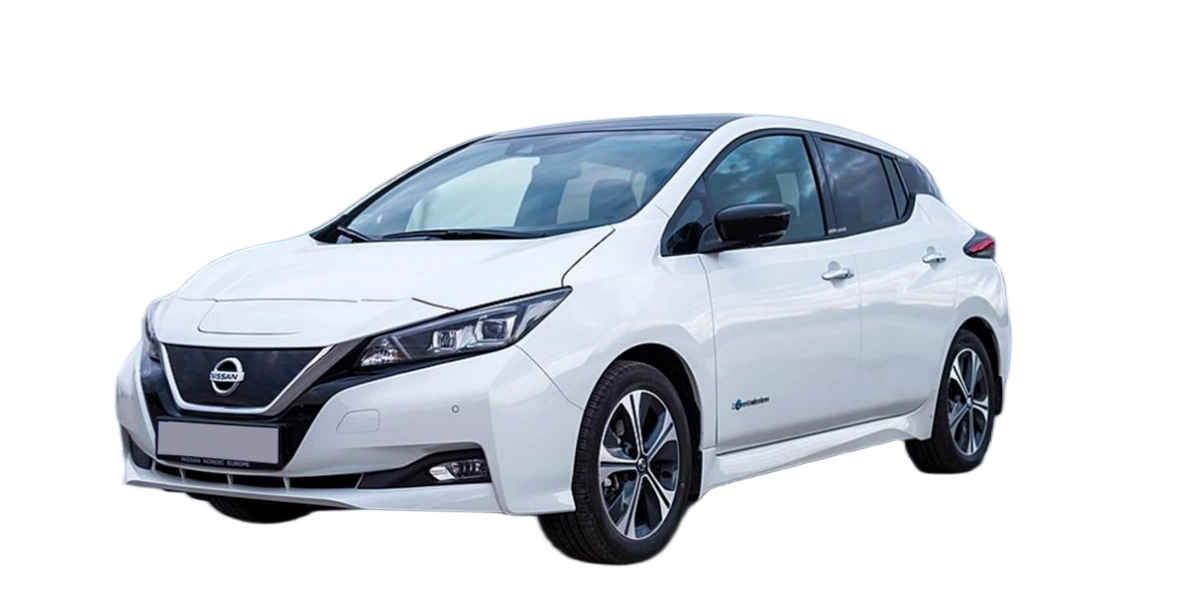
The Ultimate Leaf ZE1 CATL vs Envision AESC Guide for 2026
If you drive a Nissan Leaf ZE1 (the third generation, typically 2018-2023 models), you know the struggle is real when your battery degrades. The clock is ticking on that original pack, and if you’re looking at replacements, you’re likely staring down two giants in the aftermarket: CATL and Envision AESC.
As a seasoned expert in EV battery replacement, I’ve seen the market shift dramatically in 2026. The old debate of “Original vs. Aftermarket” has evolved into a specific battle of “New CATL Cells vs. Refurbished AESC Modules.”
This guide will break down the technical, financial, and practical differences to help you make the best decision for your 2026 driving needs.
⚡️ The Core Dilemma: New Chemistry vs. Old Hardware
Before we dive into the specs, let’s understand the fundamental difference between these two solutions for your Leaf ZE1.
- Envision AESC (The Refurbished Route): This is essentially your original battery technology. Envision AESC was the original supplier for many Leafs. Refurbished packs involve taking old, degraded modules, disassembling them, and replacing the bad cells with… well, usually slightly less bad used cells.
- CATL (The New Tech Route): Contemporary Amperex Technology Co. Limited (CATL) is the world’s largest battery manufacturer. A CATL replacement pack utilizes brand-new, cutting-edge Lithium Iron Phosphate (LFP) or updated NMC chemistry, built to OEM standards but with fresh, zero-cycle cells.
Why “Refurbished” is Risky in 2026
By 2026, most ZE1 Leafs on the road are 8+ years old. The cells inside an “AESC Refurbished” pack are likely 8+ years old too. You’re buying someone else’s mileage. Fatigue is inherent in these cells, leading to rapid degradation, swelling, and potential failure.
🔬 Technical Breakdown: CATL vs. AESC
Let’s compare these two head-to-head based on what actually matters for your Leaf ZE1.
1. Cell Chemistry & Longevity
- AESC (NMC): The original ZE1 used Lithium Nickel Manganese Cobalt Oxide (NMC). While powerful, NMC degrades faster with heat and time. Refurbished packs often use salvaged NMC, which means you start your “new” battery life at 70-80% health.
- CATL (LFP or NMC): Most modern CATL replacements for the ZE1 utilize LFP (Lithium Iron Phosphate) technology. LFP is renowned for its thermal stability and cycle life. We’re talking about 3000+ charge cycles vs. the 1000-1500 cycles of old NMC. This means the CATL battery will last significantly longer before showing signs of aging.
2. Cold Weather Performance
This is a critical factor for Leaf owners.
- AESC: Old NMC cells struggle in the cold. If you bought a refurbished pack last winter, you likely saw a massive range drop.
- CATL: Modern CATL packs often come with improved Battery Management Systems (BMS) and thermal insulation. While LFP traditionally had worse cold performance, 2026-era CATL packs have mitigated this with advanced heating systems, offering a more consistent range than tired AESC modules.
3. Safety & Reliability
- AESC: Used modules often have mismatched cells. This imbalance can lead to thermal runaway (swelling or fire) if not managed perfectly during refurbishment—a rare but serious risk.
- CATL: Brand-new cells from a Tier-1 manufacturer mean uniform quality control. There is no history of over-discharge or physical damage.
💰 The Financial Reality Check
Let’s talk money. This is often the deciding factor, but you need to look at the long-term cost per mile.
| Feature | Refurbished AESC Pack | New CATL Pack (2026 Standard) |
|---|---|---|
| Upfront Cost | Medium (Often 70-80% of OEM price) | Low (Approx. 50% of OEM price) |
| Starting Health | 70% – 85% (Used cells) | 100% (Brand New Cells) |
| Expected Lifespan | 2 – 4 Years (High risk of failure) | 5 – 8+ Years |
| Warranty | Short (Often < 1 year) | Long (Typically 2 Years / 80,000 km) |
| Hidden Costs | Potential re-installation, tow trucks, diagnostics | Peace of mind, no repeat failures |
The Verdict: While a refurbished AESC pack might seem cheaper upfront, the Total Cost of Ownership is higher. You are likely to replace it twice before a single CATL pack wears out.
🛠️ Why 2026 is the Year for a CATL Upgrade
As we navigate 2026, the EV landscape has changed. Parts for older ZE1 models are becoming scarce, and the quality of available “used” cells is plummeting.
CNS BATTERY has been at the forefront of this shift, offering Original EV Powertrain Customization specifically for Nissan and BMW. Here is why a 2026-spec CATL battery is the superior choice:
- Zero-Cycle Assurance: You are not inheriting someone else’s battery wear. You start fresh.
- OEM Compatibility: We engineer our packs to fit the ZE1 chassis perfectly, maintaining the original weight distribution and safety standards.
- Superior Warranty: We back our CATL solutions with a 2-Year / 80,000 km warranty, far exceeding the industry standard for refurbished units. This warranty covers defects and performance degradation, guaranteeing your pack maintains at least 70% capacity.
🛑 Don’t Just Buy a Battery—Buy a Solution
Replacing a Leaf ZE1 battery isn’t just about dropping in a heavy box. It requires expertise.
If you are considering an upgrade, here is what you should expect from a premium provider:
- VIN Compatibility Check: Before you buy, your specific car’s VIN should be checked to ensure the BMS and connectors match perfectly. No guesswork.
- Plug-and-Play Installation: The ideal solution requires no cutting or splicing. It should bolt in and connect directly to your existing harness.
- Lifetime Technical Support: Batteries are complex. You need a team that offers remote video guidance or programming support if your dashboard throws a code.
Ready to Revive Your Leaf?
Don’t let battery anxiety hold you back. Whether you drive a ZE1, ZE0, or BMW i3, getting a quote for a new CATL battery solution is the smartest financial move you can make in 2026.
Get Your Free Custom Quote Now and see how much you can save compared to the dealership or risky refurbished options.
❓ Frequently Asked Questions (FAQ)
Q1: Can I install a CATL battery myself, or do I need a mechanic?
A: While we always recommend a certified technician for safety, many of our customers are DIY enthusiasts. We provide HD step-by-step installation videos and remote video support. For a professional, installation typically takes 1-2 hours. For a DIYer with basic tools, it’s a manageable weekend project with our guidance.
Q2: Will a new CATL battery void my car’s remaining warranty?
A: Generally, replacing the battery with an aftermarket unit means the battery is covered under its new warranty (ours, in this case). It should not affect the warranty on unrelated parts of your car (like the motor or suspension), but we recommend checking your specific vehicle warranty terms. Our packs are designed to communicate seamlessly with the car’s systems to avoid errors.
Q3: How does the range compare to the original Nissan battery?
A: Our 2026 CATL packs are engineered to meet or exceed OEM specifications. Many customers report a full charge range that matches the original specs (e.g., 440km for a 62kWh pack). Because you start at 100% health, your real-world range will be significantly better than a degraded original pack or a refurbished unit.
Q4: What about shipping and customs?
A: We offer DDP (Delivered Duty Paid) service to most countries. This means we handle the complex logistics of shipping lithium batteries (UN 3480/3481), customs clearance, and duties. You only pay a single, transparent price at checkout.
Q5: What if I have an older Leaf model (ZE0 or AZE0)?
A: We support the entire Nissan Leaf range, including ZE0, AZE0, and ZE1, as well as the e-NV200. The benefits of new CATL cells apply to all generations. Contact us for a specific solution for your model year.
Stop paying dealership prices for recycled technology. Upgrade to the reliability of a 2026-spec CATL battery today.