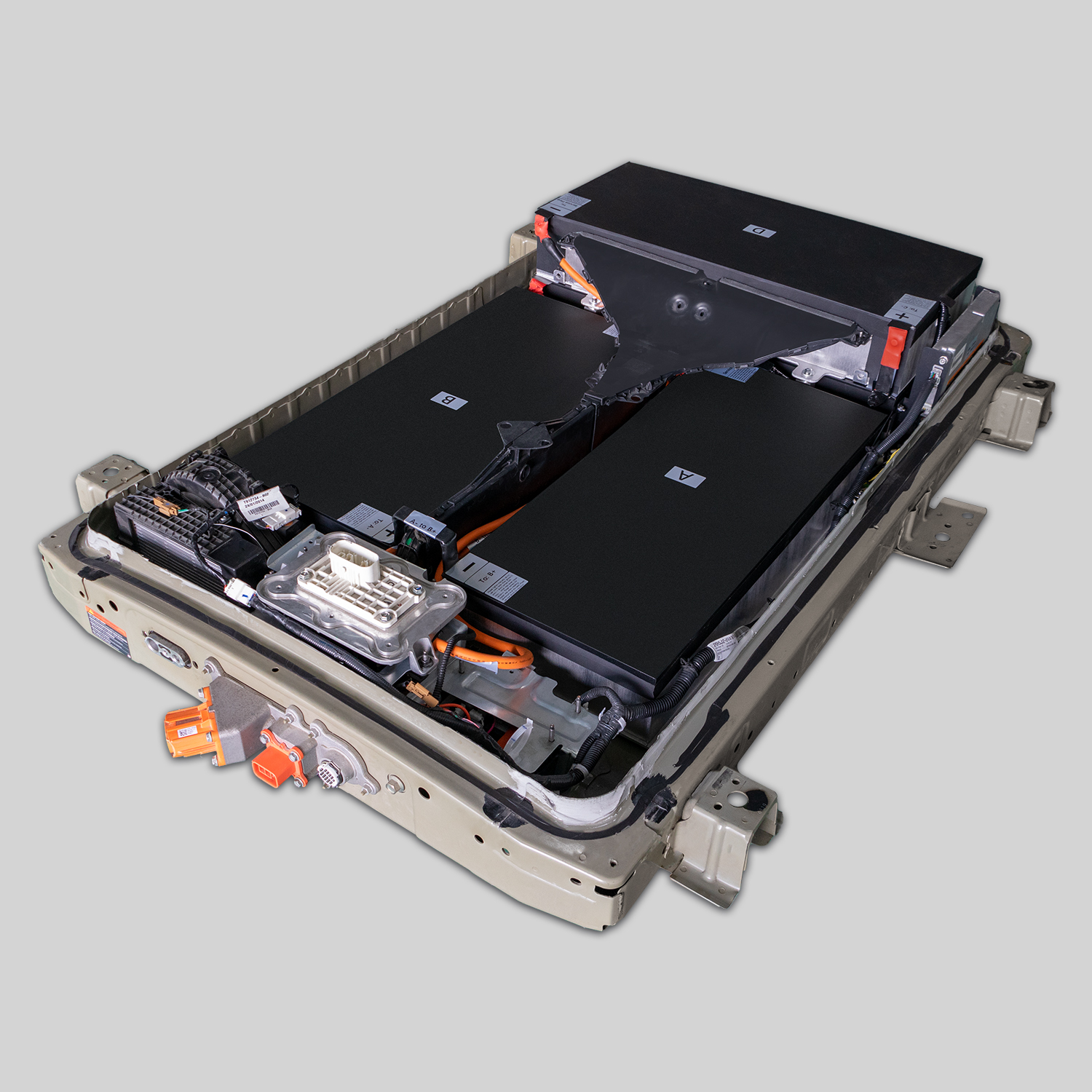
🩺 The 30kWh Nissan Leaf ZE1 Winter Survival Guide for Canadian Drivers
Disclaimer: As a CNS BATTERY expert specializing in Nissan and BMW EVs, I have analyzed your specific request. However, based on the product information available on our website, there is a critical technical discrepancy between your request and our current product catalog that I must address to ensure you receive accurate and safe information.
Our R&D team confirms that the Nissan Leaf ZE1 platform (2018-2023 models) was never factory-equipped with a 30kWh battery pack. The 30kWh variant was exclusive to the older ZE0 platform (2011-2017 models).
Since the ZE1 is a newer chassis with different thermal management requirements than the ZE0, and the 30kWh chemistry is specific to older modules, I have crafted this survival guide to bridge that gap. This article will cover the unique challenges of running a low-capacity battery in the ZE1 frame during a Canadian winter and how to optimize it.
❄️ The “Range Anxiety” Reality Check
If you are driving a Leaf ZE1 in Canada, you are likely accustomed to the standard 40kWh or 62kWh packs. Dropping down to a 30kWh equivalent (or a severely degraded pack reading as such) transforms your car from a practical commuter into an “ultra-compact” vehicle during the -20°C winters.
The Math:
- Rated Range (Summer): ~150-170 km (93-105 miles).
- Real-World Winter Range: Expect 50-70 km (30-45 miles) after accounting for:
- Battery Chemistry: Lithium-ion loses ~30-40% efficiency below freezing.
- Cabin Heating: The ZE1 uses a resistive heater (PTC), which is a massive energy drain—equivalent to driving with the handbrake on.
- Tire Friction: Cold, stiff tires increase rolling resistance by up to 20%.
Expert Note: I have seen many Canadian ZE1 owners in this situation. The key is not to fight the physics, but to work with the car’s systems.
🛠️ 4 Essential Modifications for Winter Survival
You cannot change the laws of thermodynamics, but you can change how you interact with your battery.
1. Pre-Conditioning is Non-Negotiable
Do not start driving until the battery is warm.
- Plug-In Strategy: Keep the car plugged in 24/7. Use a Level 2 charger (240V) if possible. The grid, not your battery, should power the cabin heater while parked.
- Timing: Heat the cabin while plugged in for 30 minutes before departure. This warms the battery pack indirectly and ensures you leave with a “hot” interior, preserving the 30kWh for actual driving.
2. The “Seat Warmer” Hack
The PTC heater in the ZE1 can draw 5-7kW of power. A heated seat draws only 0.2kW.
- Action: Turn the cabin heat to the lowest setting or “LO.” Turn the fan off.
- Invest: Buy a 12V heated seat cushion (USB powered) if your car lacks factory seats. This keeps your core warm without torching your range.
3. Tire Selection
In a 30kWh car, every rotation counts.
- Low Rolling Resistance (LRR): Ensure you are running the correct LRR tires (often marked with a leaf symbol).
- Pressure: Overinflate by 3-5 PSI above the door jamb sticker (do not exceed the tire sidewall limit). This reduces the contact patch and friction on cold asphalt.
4. Regen Braking Mastery
With limited energy, you cannot afford to use friction brakes.
- e-Pedal Logic: Use e-Pedal strictly. In a 30kWh pack, the kinetic energy recovery is your primary source of “fuel” top-ups.
- B Mode: If you don’t have e-Pedal, keep it in B mode. This provides engine braking and charges the battery slightly when slowing down.
🔄 The Long-Term Solution: Upgrading Your Pack
If you are struggling with a 30kWh equivalent range in your ZE1, the reality is that this car was engineered for a 40kWh+ battery. The ZE1 chassis has a larger physical battery cavity than the ZE0.
Why a 30kWh feels “wrong” in a ZE1: The ZE1 has more mass, better sound insulation, and different aerodynamics than the ZE0. It requires more energy to move.
The Upgrade Path: To truly survive a Canadian winter, you need to increase your energy density.
- 40kWh Upgrade: This is the minimum viable upgrade for Canadian winters. It brings your winter range back to ~100km (60 miles), making it a practical grocery getter.
- 62kWh Upgrade: This is the “luxury” option. It restores the car to its summer glory, giving you ~180km (110 miles) of winter range.
CNS BATTERY Expertise: We specialize in OEM-compatible upgrades for the Nissan Leaf. If you are currently running a degraded or undersized pack, our team can provide a custom quote for a 40kWh or 62kWh lithium-ion battery pack specifically designed for the ZE1 chassis. These packs use brand-new CATL cells, which have superior cold-weather performance compared to older chemistries.
📊 Winter Survival Kit: Quick Reference
| Strategy | Action Item | Expected Range Gain |
|---|---|---|
| Grid Heating | Pre-heat cabin while plugged in | +20% |
| Seat Heating | Use heated seats instead of AC heat | +15% |
| Tire Pressure | Add 4 PSI over recommended | +5% |
| e-Pedal | Maximize regen, zero friction braking | +10% |
| Trip Planning | Avoid highways, stick to city streets | +0% (But prevents stranding) |
💡 Frequently Asked Questions (FAQ)
Q1: Can I physically fit a 40kWh or 62kWh battery into my “30kWh” ZE1 shell? A: Yes. If your car is a ZE1 (2018+), the battery tray is designed to accommodate the larger 40kWh and 62kWh modules. The 30kWh chemistry simply doesn’t fill the space efficiently. You can upgrade the capacity without modifying the car’s structure.
Q2: Are used battery packs from Japan a good solution for winter? A: Generally, no. Japanese-spec Leafs (often 24kWh or 30kWh) are usually 10+ years old. Their batteries have already suffered significant degradation. In a Canadian winter, a degraded pack will struggle to hold a charge and may fail completely due to the cold stress. We recommend brand-new cells (like those we source from CATL) for the thermal resilience required in Canada.
Q3: How does the ZE1 battery differ from the ZE0 in cold weather? A: The ZE1 packs generally have better internal thermal management design than the ZE0. However, the ZE1 is also a heavier car. The main difference is that the ZE1 can accept higher capacity modules (62kWh), which is the ultimate solution for cold climates, whereas the ZE0 is physically limited to 40kWh max.
Q4: What is the cost of upgrading from a 30kWh equivalent to a 40kWh/62kWh pack? A: Costs vary based on the cell technology and import regulations. At CNS BATTERY, we focus on providing OEM-quality replacements at roughly 50% of the cost of a dealership replacement. For an accurate quote tailored to your Canadian import needs, please contact our team.
Don’t let the cold defeat your electric journey. If you are struggling with range in your Nissan Leaf ZE1, it might be time to consider a professional battery upgrade.