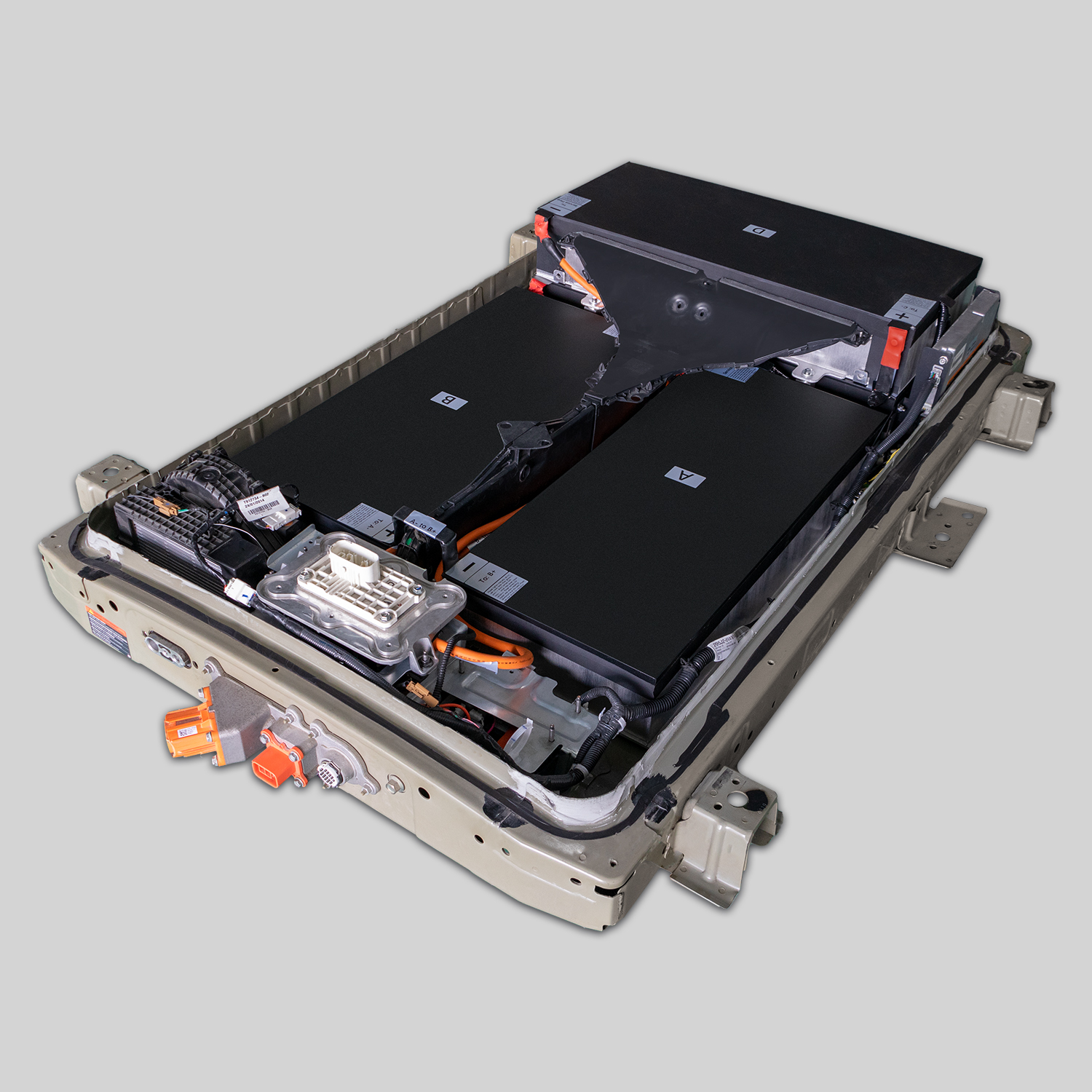
🚀 Case Study: Leaf ZE0 Fleet Optimization in the UK
For fleet managers and commercial operators in the UK, the Nissan Leaf ZE0 remains a workhorse of the electric vehicle (EV) revolution. However, as these early models age, the reality of battery degradation hits hard. In this case study, we explore how a UK-based logistics company overcame range anxiety and skyrocketing maintenance costs by upgrading their aging Leaf ZE0 fleet to a high-performance, cost-effective solution.
📉 The Challenge: Degradation vs. Demand
Our client, a mid-sized delivery service operating in the South of England, relied on a fleet of 12 Nissan Leaf ZE0 (2013-2015 models). Originally equipped with 24kWh and 30kWh packs, these vehicles were struggling to meet the daily demands of urban logistics.
The Pain Points:
- Range Collapse: The average range had dropped from 110 miles to less than 60 miles due to battery degradation.
- Cost of Ownership: The fleet was burning through time and money. Frequent charging stops were cutting productivity, and the fear of breakdowns was high.
- OEM Quandary: The official manufacturer’s replacement quote was a staggering £14,000 per vehicle. For a fleet of 12, this represented a capital expenditure of nearly £170,000—a figure that simply didn’t make financial sense for a fleet of used cars.
The decision was stark: scrap the fleet and buy new, or find a way to breathe new life into these reliable chassis.
🛠️ The Solution: Strategic Battery Swapping
Instead of opting for expensive new vehicles or unreliable second-hand battery swaps, the fleet manager turned to aftermarket innovation. They chose to upgrade their ZE0 fleet to 62kWh lithium battery packs.
Why 62kWh?
This specific upgrade transforms the vehicle’s capabilities:
- Range Restoration: It brought the usable range back up to 180+ miles on a single charge.
- Commercial Viability: This range comfortably covers the average UK delivery driver’s daily route (approx. 100 miles) with buffer for traffic and weather.
- Cost Efficiency: The upgrade cost was less than half of the OEM price, allowing the fleet to be revitalized for under £80,000—saving over £90,000 compared to new purchases.
Expert Insight: “Upgrading an older Leaf ZE0 isn’t just about replacing a battery; it’s about redefining the vehicle’s lifecycle. By moving from a 24kWh to a 62kWh pack, you effectively turn a city commuter into a regional workhorse.” — CNS BATTERY Technical Advisor
💰 The ROI: Numbers Don’t Lie
The financial turnaround was immediate and dramatic. Here is a breakdown of the cost-benefit analysis for the UK fleet.
| Metric | Before Upgrade (OEM Path) | After Upgrade (62kWh Path) | Savings/Impact |
|---|---|---|---|
| Upfront Investment | £168,000 (12 x £14,000) | £78,000 (12 x £6,500 est.) | £90,000 Saved |
| Daily Range | < 60 miles | 180+ miles | 3x Range Increase |
| Downtime | High (Frequent Charging) | Low (Single Overnight Charge) | Productivity Boost |
| Warranty | Standard OEM Terms | 2 Years / 80,000 km | Longer Coverage |
Note: Prices are indicative based on 2026 market data and typical fleet procurement rates.
The savings weren’t just on the initial purchase. With the new battery’s improved efficiency and reduced heat generation, the fleet reported lower electricity costs per mile and significantly fewer “limp mode” incidents that previously required towing.
⚙️ Technical Implementation & Support
One of the biggest hurdles for fleet managers is the technical complexity of such a swap. This fleet utilized a hybrid approach: professional installation combined with remote expert support.
- Compatibility Check: Before ordering, the VIN numbers were verified to ensure the 62kWh pack was a perfect plug-and-play fit for the ZE0 chassis.
- Installation: While the physical swap took experienced mechanics about 90 minutes per vehicle, the critical step was the BMS (Battery Management System) programming.
- Remote Assistance: During the programming phase of the third vehicle, the team encountered a communication error. They utilized the remote video guidance service offered by the battery provider. An engineer connected via video call, walked them through the wiring harness check, and resolved the issue in under 15 minutes.
Winter Performance: A major concern in the UK climate was winter range loss. The new packs, utilizing brand-new CATL cells, demonstrated superior thermal management. Even during a cold snap in February, the fleet maintained an average of 140 miles per charge, far exceeding the old batteries’ performance.
🌟 Conclusion: A Blueprint for Success
This case study proves that scrapping a functional EV fleet due to battery degradation is no longer the only option. By choosing a high-quality, high-capacity aftermarket battery solution, the UK logistics company extended the life of their assets by another 5-7 years.
The key takeaway for UK operators is this: Don’t pay new-car prices for old-car problems. With a 62kWh upgrade, the Nissan Leaf ZE0 isn’t just viable; it’s a cost-per-mile champion.
❓ Frequently Asked Questions (FAQ)
Q1: Is the 62kWh upgrade a direct fit for my Nissan Leaf ZE0?
Yes, the 62kWh lithium battery pack is designed as a direct replacement for the ZE0 chassis. It utilizes the same mounting points and interface connectors. However, it is crucial to verify compatibility based on your specific model year and VIN to ensure the software (BMS) handshake works seamlessly with your vehicle’s existing electronics.
Q2: How does the warranty work for a UK fleet?
Most reputable suppliers offer a 2-year or 80,000 km warranty on these packs. This typically covers defects in materials and workmanship, as well as performance degradation (ensuring the battery maintains a specific capacity threshold). For fleet operators, this provides a safety net that far exceeds what is usually available when buying used or refurbished OEM packs.
Q3: Can I install this myself, or do I need a mechanic?
While the physical installation is considered “plug-and-play” and can be done by a competent mechanic with basic tools, the BMS programming is a specialized step. We strongly recommend having this done by a certified technician or utilizing remote video guidance from the manufacturer’s technical team to ensure the battery communicates correctly with your car’s dashboard and charger.
Q4: What is the expected lifespan of a new 62kWh pack?
With proper maintenance and utilizing the advanced chemistry of new cells (like CATL), you can expect a lifespan of 10-15 years or 300,000+ miles under normal commercial usage. This is significantly longer than the original 24kWh packs, which were prone to swelling and rapid degradation.
Q5: How long does shipping take to the UK?
Standard shipping to the UK typically takes 4-6 weeks via sea freight, which is the safest and most cost-effective method for lithium batteries. Expedited air freight options are available but are significantly more expensive and logistically complex due to IATA regulations on dangerous goods.
Ready to optimize your fleet? Get a Free Custom Quote for your Nissan or BMW Battery Solution.