🍃 The Ultimate Guide to Passive Cooling for Nissan Leaf Owners: Efficiency & Reliability
As a Nissan Leaf owner, you know that the battery is the heart of your electric vehicle. Whether you drive a ZE0, AZE0, or ZE1 model, maintaining optimal battery health is crucial for maximizing range and longevity. One of the most critical aspects of this is thermal management, and for many Leaf variants, passive cooling is the key player.
Unlike active cooling systems that use liquid pumps and radiators, passive cooling relies on the natural conduction and convection of heat. While this system is simpler and requires less maintenance, it does mean that battery selection and quality are paramount to prevent overheating and degradation, especially in warmer climates.
In this guide, we’ll explore how passive cooling works in your Leaf, why it matters, and how upgrading to a high-quality battery pack—like those engineered by CNS BATTERY—can ensure your EV remains reliable and efficient for years to come.
🔋 Understanding Passive Cooling in the Nissan Leaf
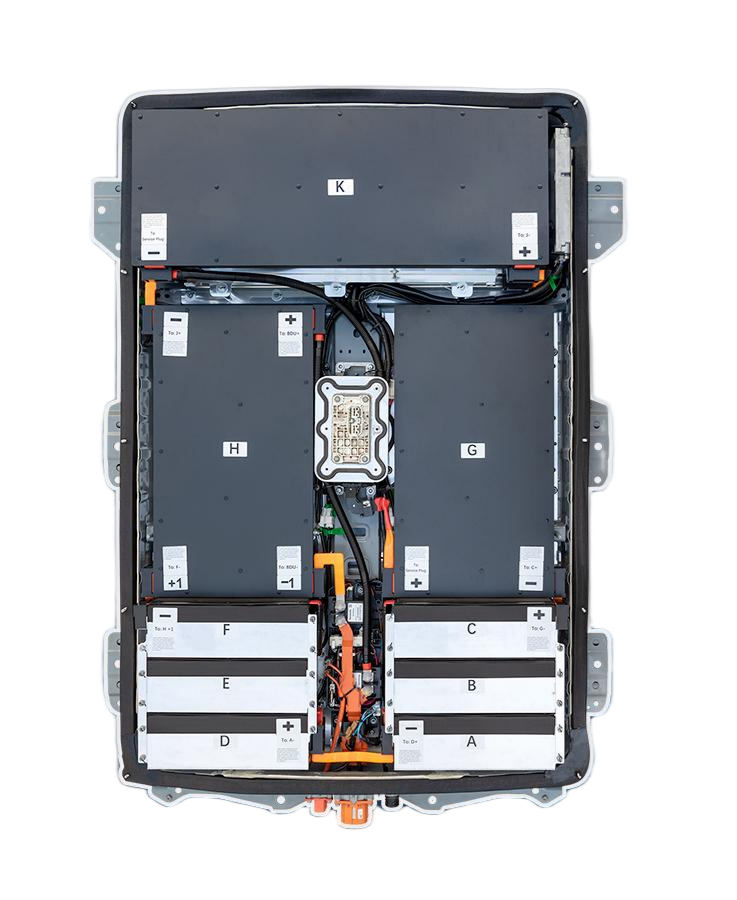
The Nissan Leaf, particularly the older generations (ZE0, AZE0, and ZE1), utilizes a passive air-cooling system. This means there is no liquid coolant circulating through the battery pack. Instead, heat is dissipated through the metal casing of the battery modules and the overall battery enclosure.
How it works:
- Conduction: Heat moves from the hot battery cells to the cooler metal casing.
- Convection: The heat is then transferred to the air flowing underneath the vehicle as you drive.
Because this system relies on the ambient air and the vehicle’s movement, the initial quality of the battery cells and the structural design of the pack become critical factors. If the cells generate too much heat or the casing isn’t optimized for heat transfer, the battery can overheat, leading to reduced performance and a shorter lifespan.
⚠️ Common Challenges with Passive Cooling Systems
While passive cooling is robust, it isn’t without its challenges, especially as batteries age or if lower-quality replacements are installed.
1. Thermal Runaway Risk
If the battery cells are not of uniform quality or are nearing the end of their life, they can generate excessive heat. In a passive system, if this heat isn’t conducted away efficiently, it can lead to thermal runaway, damaging the entire pack.
2. Reduced Efficiency in Hot Climates
Owners in warmer regions often find that their Leaf’s range drops significantly in summer. This is because the passive system struggles to keep the battery at its ideal operating temperature (usually between 20°C – 35°C).
3. Dust and Debris Accumulation
Since the system relies on airflow, dust and debris can accumulate on the battery casing over time, acting as an insulator and trapping heat.
⚡ Why Battery Quality is Non-Negotiable for Passive Cooling
When you are looking to replace or upgrade your Leaf’s battery, choosing a high-performance solution is not just about range—it’s about safety and thermal stability.
At CNS BATTERY, we specialize in manufacturing premium replacement packs for Nissan and BMW EVs. For the Nissan Leaf, our approach to passive cooling optimization includes:
- Premium Cell Chemistry: We utilize brand-new, top-tier CATL lithium-ion cells. These cells are renowned for their low internal resistance, which means they generate significantly less heat during charging and discharging compared to recycled or lower-grade cells.
- Optimized Thermal Interface: Our battery packs are engineered with precision-fit casings that maximize the surface contact between the cells and the metal housing. This ensures that any heat generated is efficiently conducted away from the cells.
- Structural Integrity: We replicate OEM (Original Equipment Manufacturer) standards to ensure the battery fits perfectly, maintaining the original airflow channels designed by Nissan.
By choosing a CNS BATTERY pack, you are not just buying a replacement; you are investing in a solution designed to operate cooler and last longer within the constraints of your Leaf’s passive cooling architecture.
📈 Upgrading Your Range: 40kWh to 62kWh
Many Leaf owners with passive cooling systems consider upgrading their battery capacity to combat “range anxiety.” A common upgrade path is moving from a 40kWh or 50kWh pack to a 62kWh module.
The Thermal Advantage of Upgrading:
A larger capacity battery doesn’t just give you more range; it often operates at a lower stress level. With a 62kWh pack, you are typically using a lower percentage of the battery’s total capacity for daily driving. This “shallow cycling” generates less heat and puts less strain on the passive cooling system, further extending the life of your investment.
Our 62kWh lithium battery packs are plug-and-play compatible with various Leaf models, offering a seamless upgrade path that enhances both performance and thermal resilience.
📋 Maintenance Tips for Passive Cooling Systems
To keep your passive cooling system working effectively, regular maintenance is key. Here are a few tips from our technical experts:
- Inspect the Undercarriage: Periodically check the bottom of your battery casing for excessive dirt or mud buildup. A gentle wash can remove insulating debris.
- Monitor Battery Health: Use your Leaf’s diagnostics to keep an eye on battery temperature, especially during fast charging.
- Avoid “Topping Off” in Heat: If possible, avoid charging to 100% in extremely hot weather, as this is when the battery is most vulnerable to heat stress.
💡 Conclusion
Passive cooling doesn’t mean you have to compromise on performance. By understanding the system and pairing it with a high-quality, thermally efficient battery pack, your Nissan Leaf can continue to deliver reliable, long-range driving.
If you are considering a battery replacement or upgrade, don’t settle for refurbished or low-quality cells that could overheat your passive system. Choose the reliability and safety of a CNS BATTERY pack, engineered with premium materials and backed by a 2-year / 80,000km warranty.
Ready to give your Leaf a new lease on life? Explore our range of Nissan Leaf batteries and get a free custom quote today.
❓ Frequently Asked Questions
Q: Can I install a liquid-cooled battery in my Nissan Leaf?
A: The Nissan Leaf models (ZE0, AZE0, ZE1) are designed exclusively for passive air cooling. The battery management system (BMS) and physical chassis are not compatible with liquid-cooled packs from other vehicles. Modifying the car for liquid cooling is extremely complex, expensive, and not recommended. Upgrading to a high-quality 62kWh passive pack is the most reliable solution.
Q: How do I know if my battery is overheating?
A: Signs of overheating include a sudden drop in range, the battery warning light illuminating on the dashboard, or the car entering “turtle mode” (reduced power). If you notice these signs, stop charging or driving and allow the battery to cool down in a shaded area.
Q: Are CNS BATTERY packs compatible with my Leaf model?
A: Yes, we offer specific solutions for Nissan Leaf ZE0, AZE0, and ZE1 models. Our packs are designed to OEM standards, ensuring perfect fitment and compatibility with your vehicle’s existing passive cooling system.
Q: What is the lifespan of a CNS BATTERY pack in a passive cooling system?
A: Thanks to the use of premium CATL cells and optimized thermal design, our packs are built to last. We offer a minimum 2-year / 80,000km warranty, but with proper care and maintenance, you can expect significantly longer service life, even in passive cooling applications.
Q: How much does a battery replacement cost?
A: While prices vary based on capacity (40kWh, 50kWh, or 62kWh), CNS BATTERY solutions typically cost about 50% less than original manufacturer replacements, offering the best value for money in the aftermarket.
Q: Do you offer international shipping?
A: Yes, we support international sales to over 50 countries. We handle the complex logistics of shipping lithium-ion batteries, including customs compliance and DDP (Delivered Duty Paid) services where available.
Ready to upgrade your Nissan Leaf battery? Contact our technical experts now for a free customization quote.