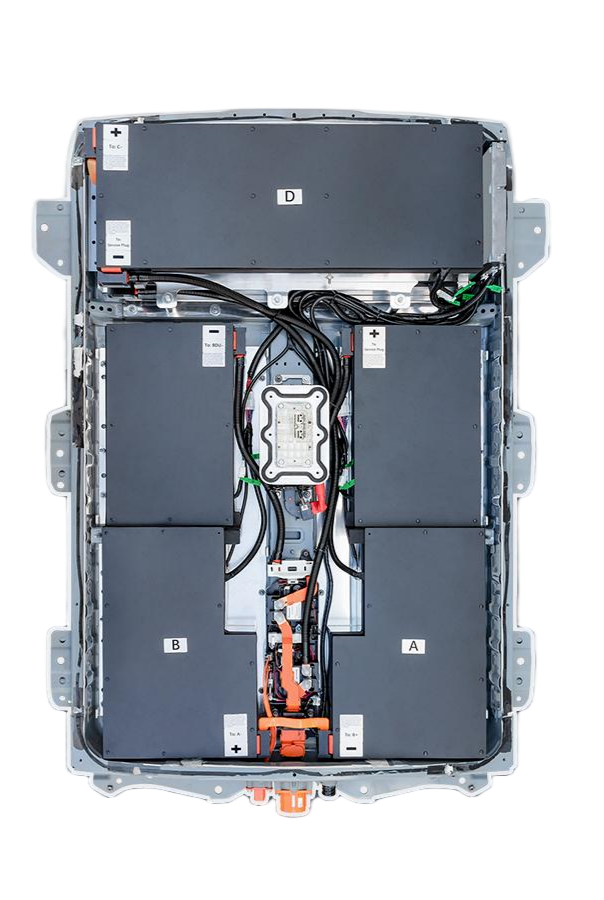
LFP vs NCM: Which is Better for Your Nissan Leaf Fix?
The Nissan Leaf battery replacement dilemma: You know you need a new pack, but the choice between Lithium Iron Phosphate (LFP) and Nickel Cobalt Manganese (NCM) technology is stopping you. It’s a critical decision that impacts your car’s range, lifespan, and safety. As an EV battery specialist, I see this question daily. Most owners are torn between the “safe bet” of sticking with the original chemistry or upgrading to the latest technology for better value.
If you’re facing a dead or degraded Nissan Leaf battery, the short answer is this: If you want the longest lifespan and ultimate safety for daily driving, choose LFP. If you need maximum range and performance (especially in cold weather), stick with NCM.
At CNS Battery, we specialize in providing high-performance, OEM-compatible replacements for Nissan and BMW models. We often recommend LFP for standard daily use due to its superior cycle life, but we understand that the original NCM chemistry still holds the crown for energy density. Let’s break down which chemistry is the right “fix” for your specific situation.
Why Chemistry Matters for Your EV Battery
Before diving into the comparison, it’s vital to understand that the battery chemistry dictates everything about your driving experience. It’s not just about how many miles you get; it’s about how long the battery lasts before it degrades again.
Most Nissan Leaf models (specifically the 40kWh and 62kWh variants) originally came equipped with Lithium Nickel Manganese Cobalt Oxide (NCM or NMC) batteries. However, the market is rapidly shifting towards Lithium Iron Phosphate (LFP) due to advancements in technology and cost efficiency.
Choosing the wrong chemistry can lead to “range anxiety” or unnecessary spending. Let’s look at the battle between these two giants.
The “Original” Choice: NCM (Nickel Cobalt Manganese)
If you drive a Nissan Leaf, you likely have an NCM battery under the hood. This is the traditional lithium-ion technology that has powered electric vehicles for years.
The Pros:
- High Energy Density: NCM packs store more energy in the same physical space. If you have a 62kWh Leaf, an NCM replacement will give you the closest match to the original factory range.
- Better Cold Weather Performance: NCM batteries generally perform better in freezing temperatures compared to standard LFP batteries. If you live in a region with harsh winters, this is a significant advantage.
- Familiarity: It’s the chemistry Nissan originally chose, meaning there are no compatibility surprises with the car’s Battery Management System (BMS).
The Cons:
- Shorter Lifespan: NCM batteries typically have fewer charge cycles before degradation starts.
- Cost: Cobalt is expensive, making NCM batteries generally more costly to manufacture.
- Safety: While modern NCM is very safe, the chemistry is inherently more reactive than LFP under extreme conditions (like overcharging or physical damage).
The “Modern” Upgrade: LFP (Lithium Iron Phosphate)
LFP technology has evolved dramatically. Originally used in lower-range EVs, it is now the go-to choice for many manufacturers (including Tesla) due to its durability.
The Pros:
- Longevity King: LFP batteries can last for thousands of charge cycles. If you plan to keep your Leaf for another 5-10 years, LFP is the “set it and forget it” solution.
- Safety First: LFP is incredibly stable. It doesn’t overheat easily and is much less prone to thermal runaway. For peace of mind, especially in older EVs, this is a massive plus.
- Cost-Effective: Without cobalt and nickel, LFP batteries are cheaper to produce, saving you money on the replacement cost.
The Cons:
- Lower Energy Density: To achieve the same range as an NCM battery, an LFP pack needs to be physically larger or heavier. This might not be a perfect fit for the original Leaf chassis without modifications.
- Voltage Curve: LFP has a flatter voltage curve, which can sometimes confuse the car’s dashboard “State of Charge” (SoC) meter, making it harder to read the exact remaining range.
The Verdict: Which One Should You Choose?
So, which battery is better for your Nissan Leaf fix? Let’s simplify it based on your needs.
Choose NCM (Nickel Cobalt Manganese) If:
- You Need Maximum Range: You drive long distances daily and need every mile of the original range.
- You Live in a Cold Climate: You need the battery to perform reliably in freezing temperatures.
- You Want “Plug and Play”: You want a direct replacement that behaves exactly like the original factory battery without any BMS recalibration.
Choose LFP (Lithium Iron Phosphate) If:
- You Prioritize Longevity: You want a battery that will last longer than your last one, minimizing the chance of another replacement.
- You Live in a Warm Climate: You don’t face extreme winter conditions that could hamper LFP performance.
- You Want the Best Value: You want a safer, longer-lasting battery at a lower price point.
Expert Insight: At CNS Battery, we often recommend LFP for urban commuters and older Leaf models where range requirements are lower. For high-mileage drivers or those in colder regions, we recommend sticking with high-quality NCM replacements using brand-new CATL cells to ensure performance matches the original.
Why a CNS Battery is the Ultimate Fix
Replacing your Nissan Leaf battery isn’t just about buying cells; it’s about getting a complete, reliable powertrain solution. Whether you choose NCM or LFP, our batteries are engineered to exceed OEM standards.
Here is what sets our replacement batteries apart:
- Brand-New CATL Cells: Unlike many “remanufactured” batteries on the market that reuse old, degraded cells, we use brand-new cells from CATL (Contemporary Amperex Technology Co. Limited), one of the world’s leading battery manufacturers. This ensures you aren’t buying someone else’s old problem.
- OEM Compatibility: Our packs are designed to fit Nissan Leaf models (ZE0, ZE1, AZE0) perfectly. We handle the complex BMS programming so that your dashboard reads the battery correctly.
- Unbeatable Warranty: We back our confidence with a 24-month / 80,000 km warranty. This is significantly longer than the industry standard for aftermarket batteries and reflects our commitment to quality.
- Cost Savings: You save over 50% compared to the price of a brand-new OEM battery from a Nissan dealership.
Frequently Asked Questions (FAQ)
Q1: Can I install an LFP battery in my Nissan Leaf that originally had NCM?
Yes, but it requires specific engineering. The physical dimensions and the Battery Management System (BMS) must be compatible. At CNS, we offer customized solutions where our engineers adapt the BMS to ensure the LFP chemistry communicates correctly with your Leaf’s dashboard. Do not attempt this with a generic DIY kit; you need a professionally engineered pack.
Q2: Which battery lasts longer, LFP or NCM?
LFP batteries generally last longer. They can withstand more charge and discharge cycles before their capacity drops below 80%. An LFP battery can often last for 3000-5000 cycles, whereas a standard NCM battery might last for 1000-2000 cycles. If your primary goal is to “fix” your car for the long term, LFP is the winner.
Q3: Is an LFP battery safer than an NCM battery?
Yes, LFP is inherently safer. The chemical structure of LFP is more stable than NCM. This means LFP batteries are less likely to overheat, catch fire, or experience “thermal runaway” if damaged or overcharged. For daily peace of mind, LFP offers superior safety characteristics.
Q4: Will switching to LFP improve my range?
Not necessarily in terms of maximum distance. Because LFP has a lower energy density, a direct replacement might have a slightly lower range than an NCM battery of the same size. However, because LFP degrades much slower, your usable range will stay higher for much longer. You won’t see a rapid drop in miles per charge year after year.
Q5: How do I know which battery is right for my car?
The best way is to get a professional assessment. Factors like your driving habits, local climate, and budget all play a role. If you are unsure, our technical experts can help you decide based on your VIN and specific usage patterns.
Ready to Fix Your Nissan Leaf?
Don’t let a dead battery keep you off the road. Whether you decide on the high-density performance of NCM or the durable safety of LFP, CNS Battery provides the perfect solution to get your Leaf back on the road with a brand-new, high-performance pack.
Stop searching and start driving. Get your free, no-obligation quote today and see how much you can save.